
01
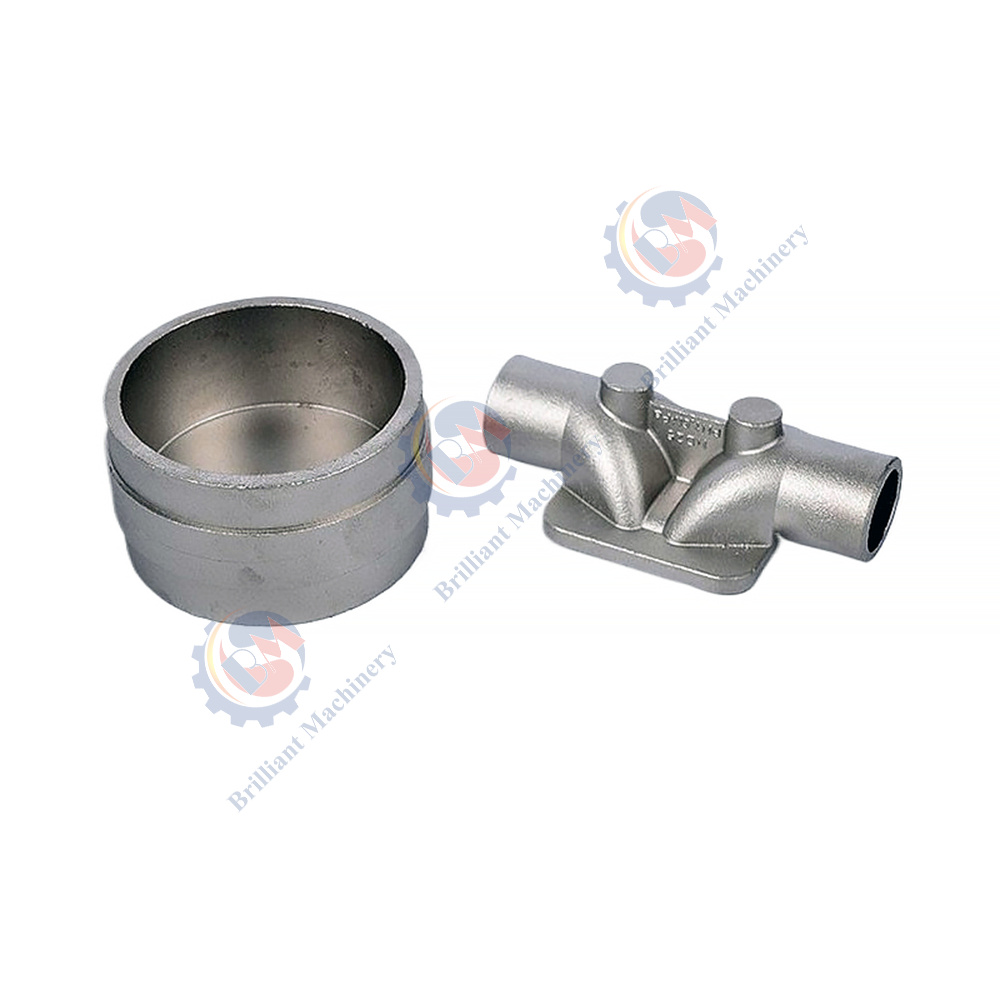
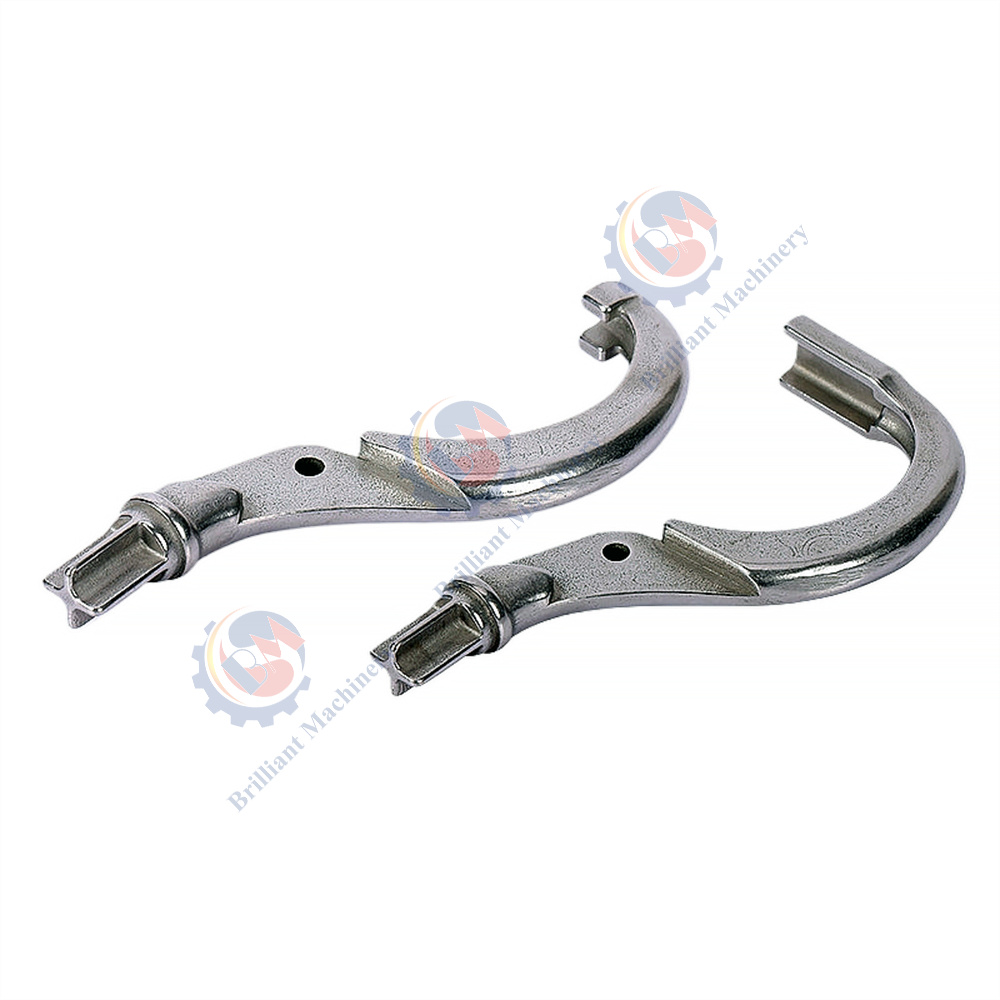
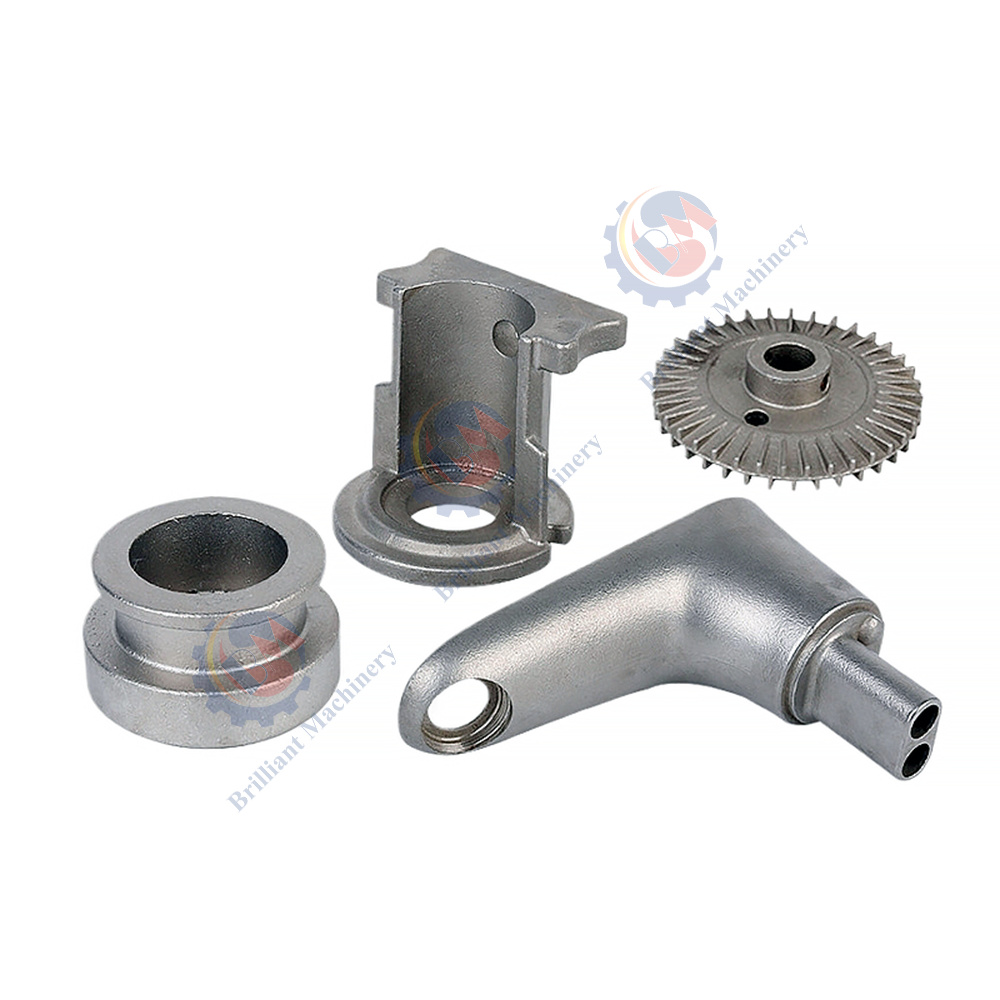
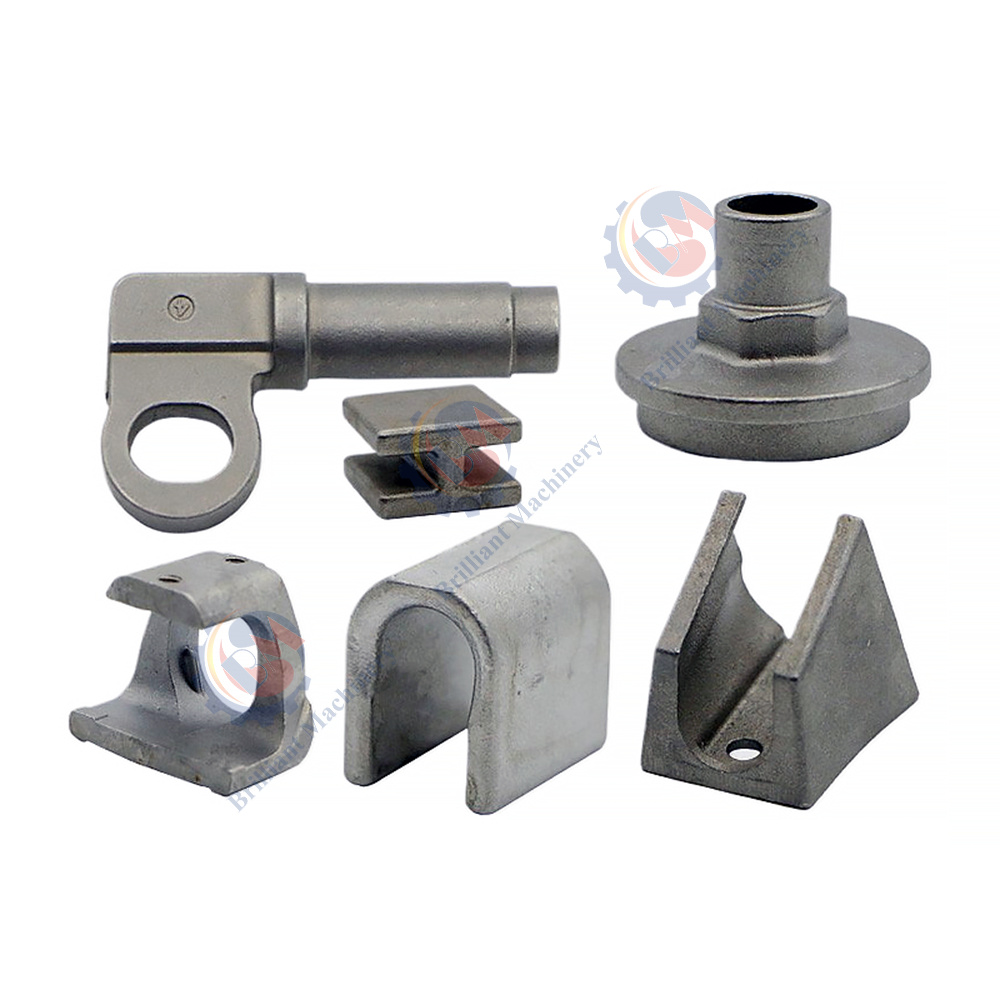
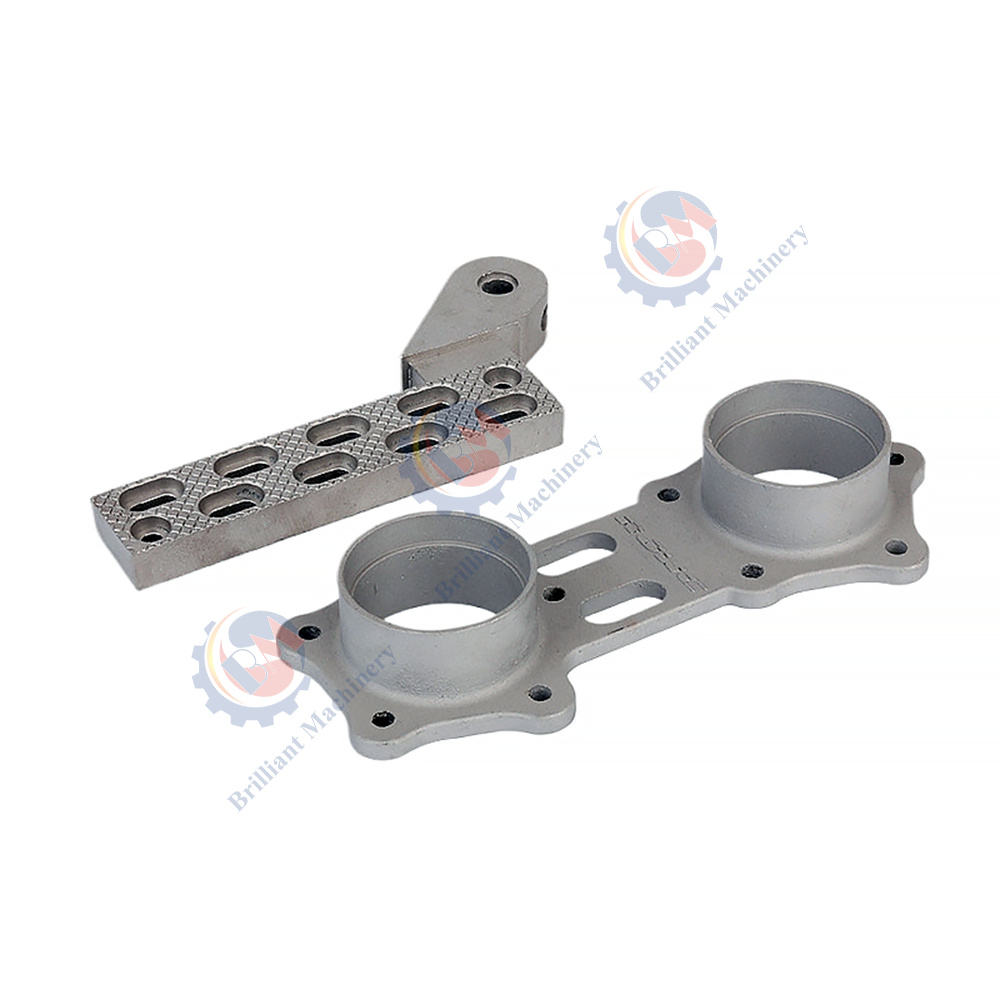
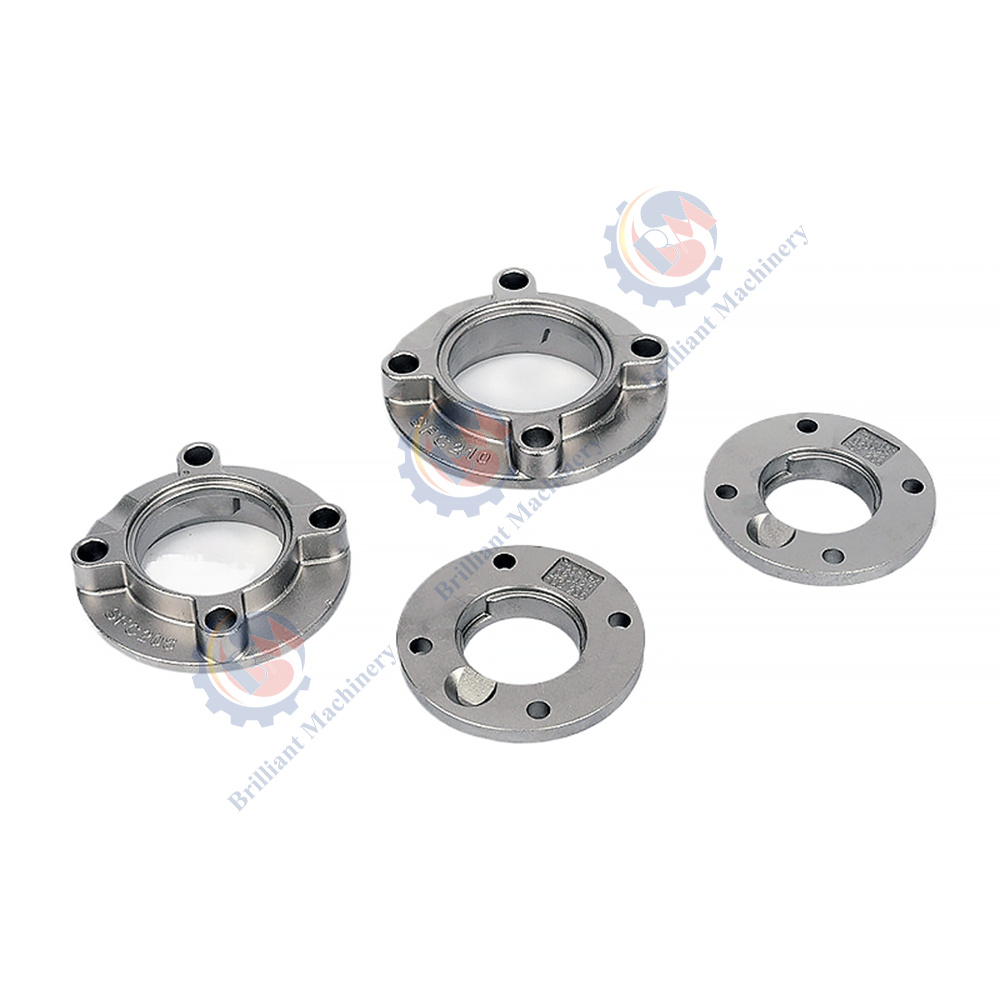
Silica Sol Investment Castings for Automotives
Material
The materials for investment casting of automobile componentry in silica sol investment casting are selected based on their stress resisting, temperature change, and mechanical abrasion capacity. Some of these materials can include:
• Aluminum Alloys: With its great anti-corrosiveness and its relative lightness, aluminum alloys provide great engine blocks, cylinder heads, and other structural materials.
• Steel Alloys: Steel alloys and carbon steel have been chosen for strengthening and fatigue properties, making it perfect for mechanically loading component.
• Stainless Steel: This is abrasion and corrosion resistant and is widely used in automobile parts which must undergo severe operation.
• Nickel Alloys: With great tensile strength and temperature resistivity, nickel alloys have widespread applicability in turbochargers and other engine parts of high-performance.
Specifications
• Dimensional Precision: High precision is afforded by casting in silica sol, which allows for stringent tolerance, which matches exactly the automobile component requirements.
• Superior Surface Finish: The process of casting provides a fine finish on the surface, minimizing subsequent requirements for machining.
• Enhanced Durability: The silica sol investment casting is stronger, wears well, resistant, and more enduring.
• Complex Geometries: The casting in a silica sol can create complex geometries, for example, thin walls and internal channels, which in different automobile usages can be a requirement.
Production Processes
1. Pattern Creation: A precise pattern is created, which is traditionally constructed of wax, though other materials may be used, which is utilized in mold making via casting.
2. Mold Formation: The pattern is glazed in a thin film of a silica sol and cured in a hard, resilient mold which can resist extreme temperature.
3. Pattern Removal: The pattern is dissolved away in a pattern removal process, leaving a part shape which is desired, a hollow shape.
4. Metal Pouring: Molten metal is filled in mold cavity, taking shape of vehicle component.
5. Cooling and Clean-up: The casting is stripped when it cools down, and it is then cleaned of all residual material or blemish.
6. Finishing: Any further machinating is done so that part can achieve its desired specs.
Quality Test and Inspection
• Dimensional Inspection: Castings are inspected in detail for measurements in relation to specified dimensions and tolerance.
• Non-Destructive Testing (NDT): NDT technologies such as x-ray testing and internal flaw detectection using ultrasonic testing provide component integrity assurance.
• Mechanical Testing: Impact, tensile, and fatigue testing is being conducted so it can be ensured it can support stress it is under when it is being utilized.
• Surface Quality: The part is examined for its quality on its surface in relation to its requirements for its utilization in an automobile.
Key Features
• High Precision and Complex Designs: Investment casting of silica sol can create complex designs and high precision, which is appropriate for stringent requirements of automobile industries.
• Durable and Resilient: The mechanical properties of excellent tensile, fatigue, and abrasiveness of the castings.
• Corrosion and High-Temperature Resistance: The nickel alloys and stainless steel guarantee durability in extreme temperature and corrosive environments.
• Reduced Machining Requirements: The casting process yields a part of fine tolerance and fine surface, hence lower secondary machined requirements.
Packaging and Storage
Each part is carefully inspected and cleaned before being packed in protective material so it won't be harmed in transit. The components are maintained in a controlled, dry environment in an effort not to corrode or degrade before being shipped.
Shipment
Once inspected and certified, these castings are carefully packed and shipped off to clients via reputed courier agencies. The timely delivery is guaranteed via tracking facilities, so clients can track an order progress. Documents attesting international standard and regulatory requirements accompany it.