
01
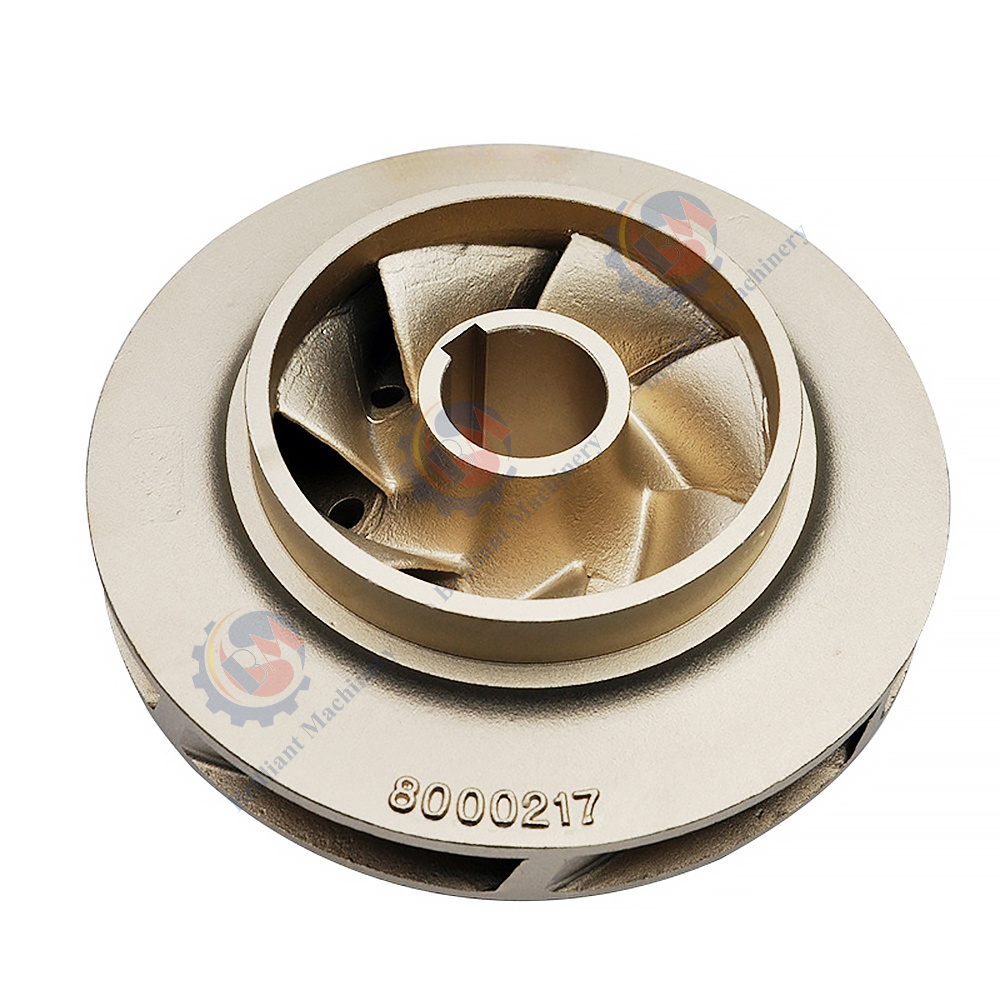
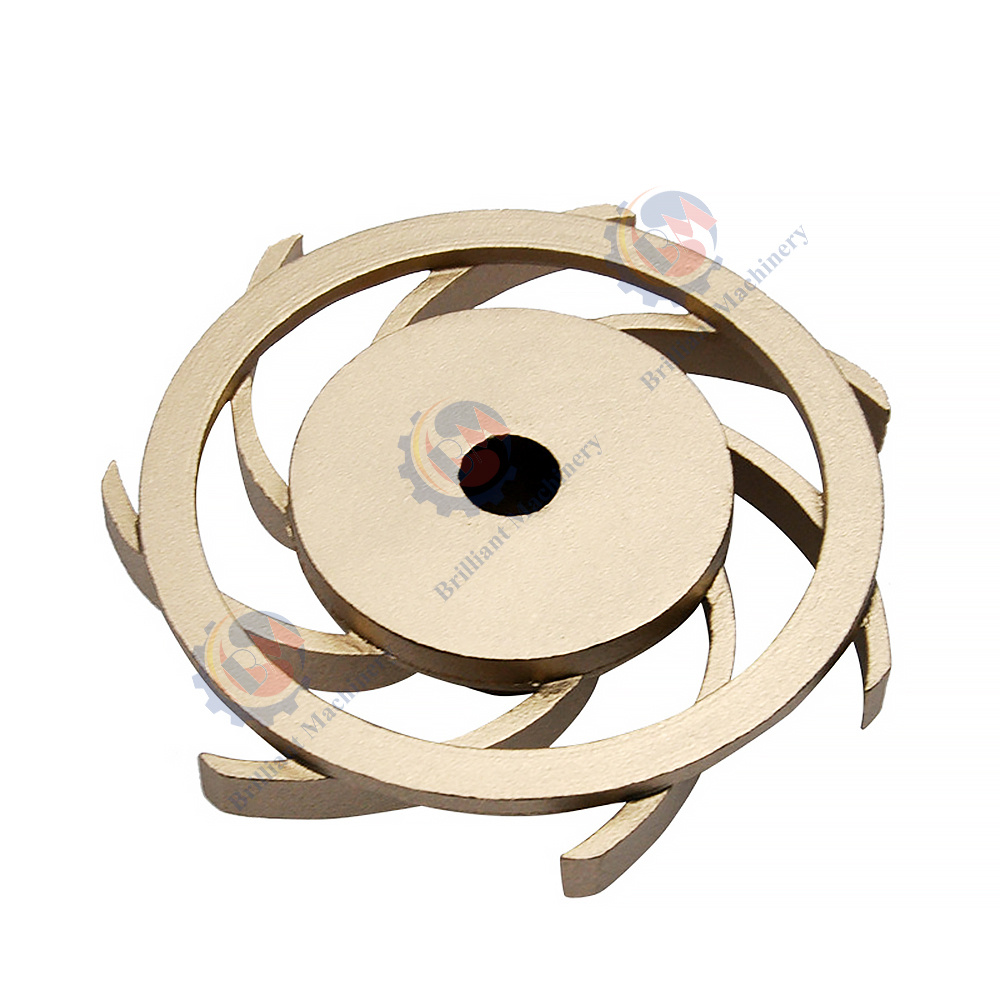
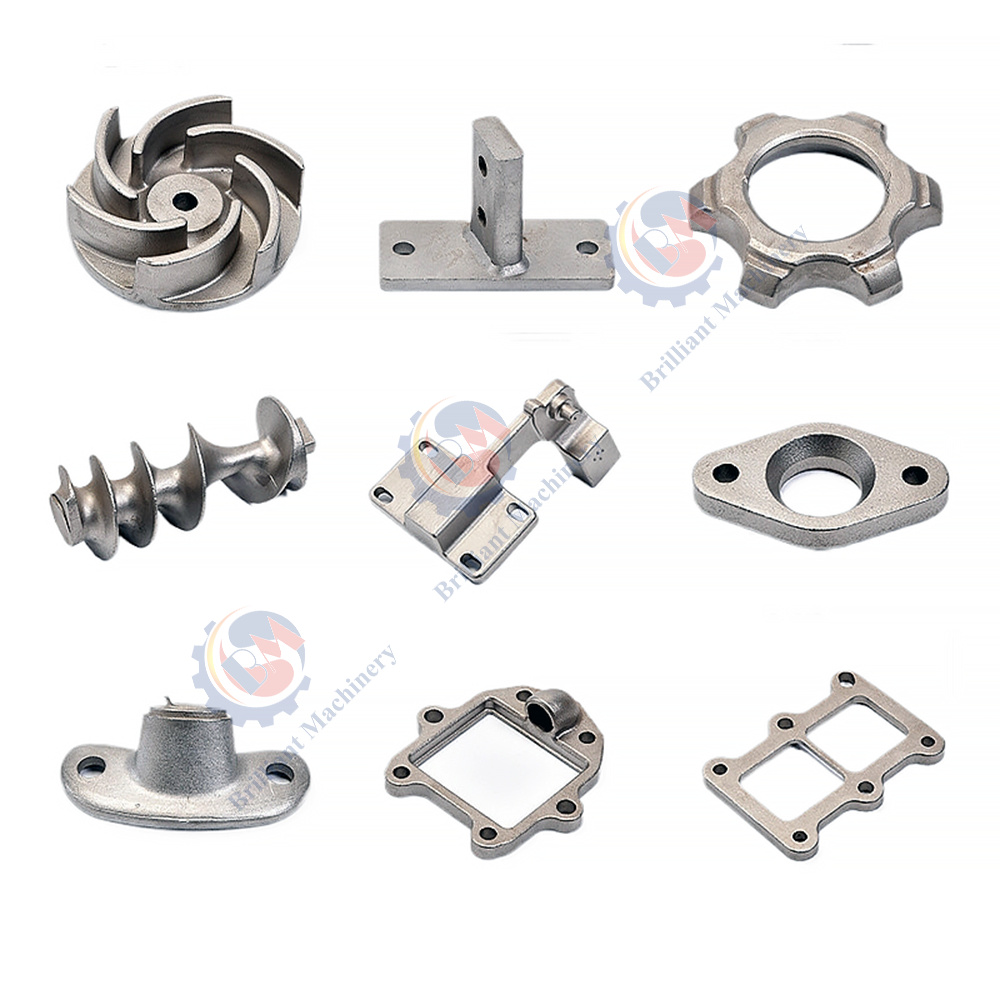
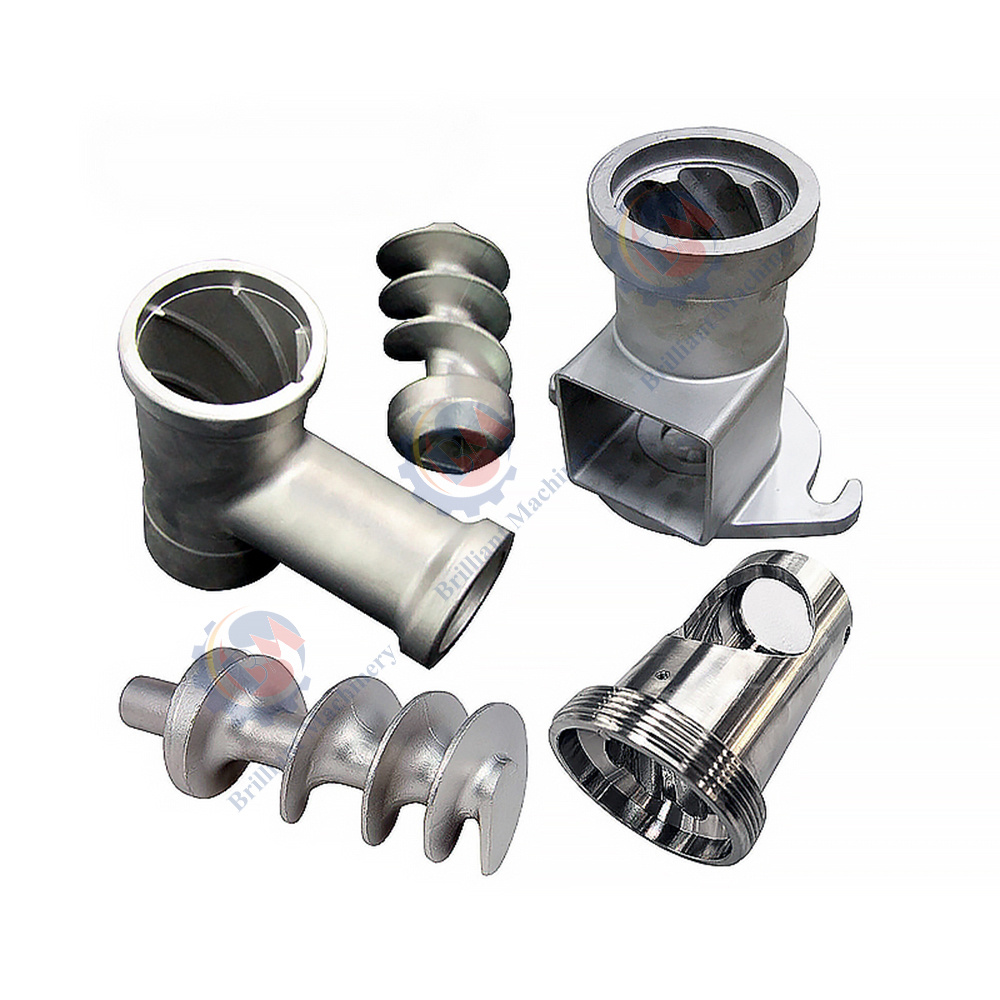
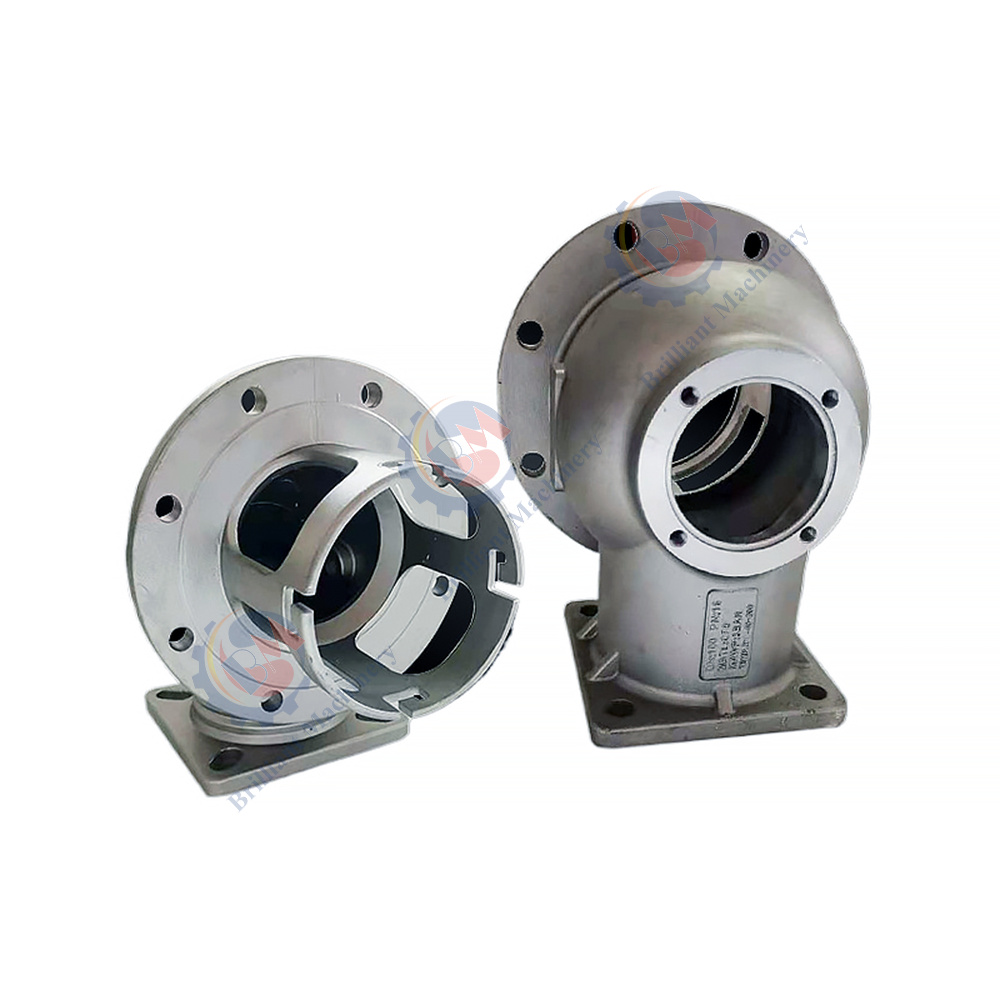
Silica Sol Investment Castings for Pumps
Material
The material of pump component is of prime importance in assuring it can withstand abrasiveness, corrosion, and excessive pressure. Some of such investment casting materials of silica sol include:
• Stainless Steel: Applicable for pump materials in severe chemicals, severe temperature, and corrosive environments. Castings of stainless steel have widespread usage owing to its fine corrodible and oxidative resistivity.
• Nickel Alloys: Such alloys have great durability in extreme temperature and corrosives, due to which nickel alloys make an excellent material for those parts which undergo a high-stress operation.
• Carbon Steel: Very resistant, carbon steel can resist highly pressurized environments, making it a guaranteed material for pump usage.
• Alloy Steels: Alloy steels are stronger and more resistant, for which reason these can be constructed for heavy-duty pump, which can absorb impact and abrasion.
Specifications
Silica sol investment casting for pump is developed in such a manner so as to meet industry-specific stringent requirements.
• Precision Tolerances: Can have fine tolerance, which assures a perfect fit and silky motion.
• High Surface Finish: The process yields highly polished part surfaces, reducing secondary machining and/or polishing.
• Robust Material Attributes: Castings have superior mechanical attributes, which involve high tensile strength, abrasiveness in resisting corrosion, and capacity for operation under extreme temperature and pressure.
• Durability: Engineered for durability in adverse environments, reducing repair cost and downtime.
Production Processes
1. Pattern Creation: The pump part is crafted in a fine pattern of wax or in a material of similar appropriateness.
2. Shell Building: The pattern is superimposed in a number of different concentrations of silica sol, which forms a hard mold shell.
3. Pattern Removal: The pattern is melted in a heated mold, which results in a hollow interior.
4. Metal Pouring: The liquid metal is filled in the mold, filling it in a pattern it forms the end part.
5. Cooling and Final Finish: The casting is removed, cleaned, and finished to its precise specifications when it cools.
Quality Test and Inspection
Quality control is a part of maintaining pump castings of a satisfactory standard.
• Dimensional Checks: Measurement is taken exactly so that parts can pass stringent tolerance and functionality checks.
• Material Testing: The material of casting is examined in an attempt to ensure it conforms to material requirements for durability and structural capability.
• Non-Destructive Testing (NDT): Internal defects can be identified using test technologies such as X-ray and ultrasonic.
• Hydrostatic Testing: In order to authenticate pump component integrity, pump parts go through pressure testing for a determination of whether they can sustain operation stress without breakdown or seepage.
Key Features
• High Precision: Pump component production using silica sol casting can be in highly complex geometries and forms.
• Superior Surface Finish: The process of casting gives a fine finish, minimizing post-casting finishing.
• Corrosion Resistance: For applications in chemicals, in water, and other corrosive environments.
• Long-Lasting Durability: Castings have a capacity for enduring extreme temperature and pressure levels.
Packaging and Storage
After production, pump castings are handled carefully in a process which avoids processing and shipping damage. Protective packaging materials such as foam blocks and hard cartons. Castings are stored in temperature-controlled environments in an effort to exclude moisture buildup or contaminants prior to being shipped.
Shipment
Silica sol investment castings for pumpings are shipped on time and in a secure way in secure modes of conveyance. Tracking systems are made for transparency, and customer orders are handled meticulously in an effort to see to it that the castings reach in perfect shape.