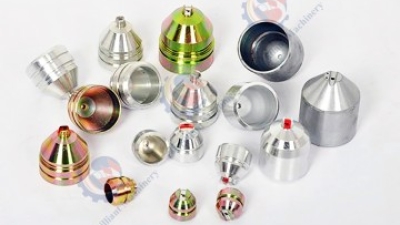
These days, the drilling industry is constantly changing, and using Downhole Shaped Charges effectively has really become a game-changer for improving performance and keeping operations smooth and efficient. Shaanxi Brilliant Machinery Co., Ltd. is leading the charge in this area, aiming to set a new global standard when it comes to top-notch manufacturing.
You know, according to a recent report from Markets and Markets, the worldwide market for shaped charges is expected to grow at about 6.5% annually until 2025 — mainly because folks are looking for smarter, more efficient drilling solutions. Leveraging Downhole Shaped Charges can really boost wellbore operations, cut down drilling costs, and even help reduce environmental impact.
That’s pretty much right in line with our goal of pushing for sustainability and continuous innovation. By mixing the latest tech with great manufacturing practices, Shaanxi Brilliant Machinery Co., Ltd. is all about raising industry standards and making sure our customers are happy with the quality of our mechanical parts.
Understanding Downhole Shaped Charges: Basics and Applications
Downhole shaped charges are pretty essential in the Oil and Gas world—they really make a difference in how effectively drilling goes. Basically, these tools help create those crucial perforations in well casings, which means more flow and better recovery of hydrocarbons. Knowing about the different types, like electric, electronic, and non-electric systems, can really help operators pick the right ones for their specific needs. Onshore, customized perforating solutions are often the way to go—they help boost productivity and keep costs in check.
If you're using downhole shaped charges, here are a couple of tips that might save you some headaches. First off, make sure you choose charges suited to your well conditions—things like depth and pressure—so they work at their best. Also, don’t forget about routine maintenance of perforating guns; it’s pretty important if you want everything to run smoothly when it counts. And, if you can, invest in advanced perforating systems that let you personalize options—this not only makes things more efficient but also safer, plus it can cut down on rig time.
With COVID-19 still shaking up the industry, it’s more important than ever to stay ahead with new tech. Companies are now leaning towards advanced wireline perforating systems that can easily adapt to different onshore environments. That way, they save resources and still get the results they’re after, without compromising on performance.
How to Effectively Utilize Downhole Shaped Charges for Optimal Drilling Performance
| Parameter | Details | Applications |
| Type of Charge | Wireline, Tubing | Perforating Casing |
| Diameter | 2.5 - 3.5 inches | High Flow Rate Wells |
| Pressure Rating | Up to 15,000 psi | Deep Water Applications |
| Target Formation | Sandstone, Limestone | Enhanced Oil Recovery |
| Deployment Method | Downhole Tool | Explosive Activation |
Selecting the Right Type of Shaped Charges for Drilling Needs
Choosing the right kind of downhole shaped charges really makes a difference when it comes to drilling efficiency and overall performance. Different rock formations and drilling setups mean you need specific designs that can get through the rock more effectively and avoid causing unnecessary damage. I read in a report by the Society of Petroleum Engineers that using the right shaped charge can boost penetration rates by as much as 30%. That’s a huge help because it cuts down on both how long drilling takes and the costs of finishing a well.
When you're picking out shaped charges, it’s important for operators to think about stuff like the type, size, and how fast it detonates. For example, high-energy shaped charges work better in really tough, hard rocks, whereas lower energy options often do the trick in softer, sedimentary layers. An in-depth study from the American Petroleum Institute shows that projects with optimized shaped charges tend to see about a 15% drop in non-productive time. So, yeah, it’s not just about picking the right charge, but making sure it fits the geological conditions like a glove— that’s where the real gains are.
Integrating Shaped Charges into Drilling Programs for Maximum Efficiency
You know, adding downhole shaped charges into drilling plans can really boost how smoothly things go and improve overall performance. I read somewhere from the Society of Petroleum Engineers that using shaped charges for perforation can actually increase the flow of hydrocarbons by up to 30% in the desired formations. It's pretty neat — by carefully choosing the right charge setups based on the geology you're dealing with, engineers can get better results, cut down on wasted time, and save some costs along the way.
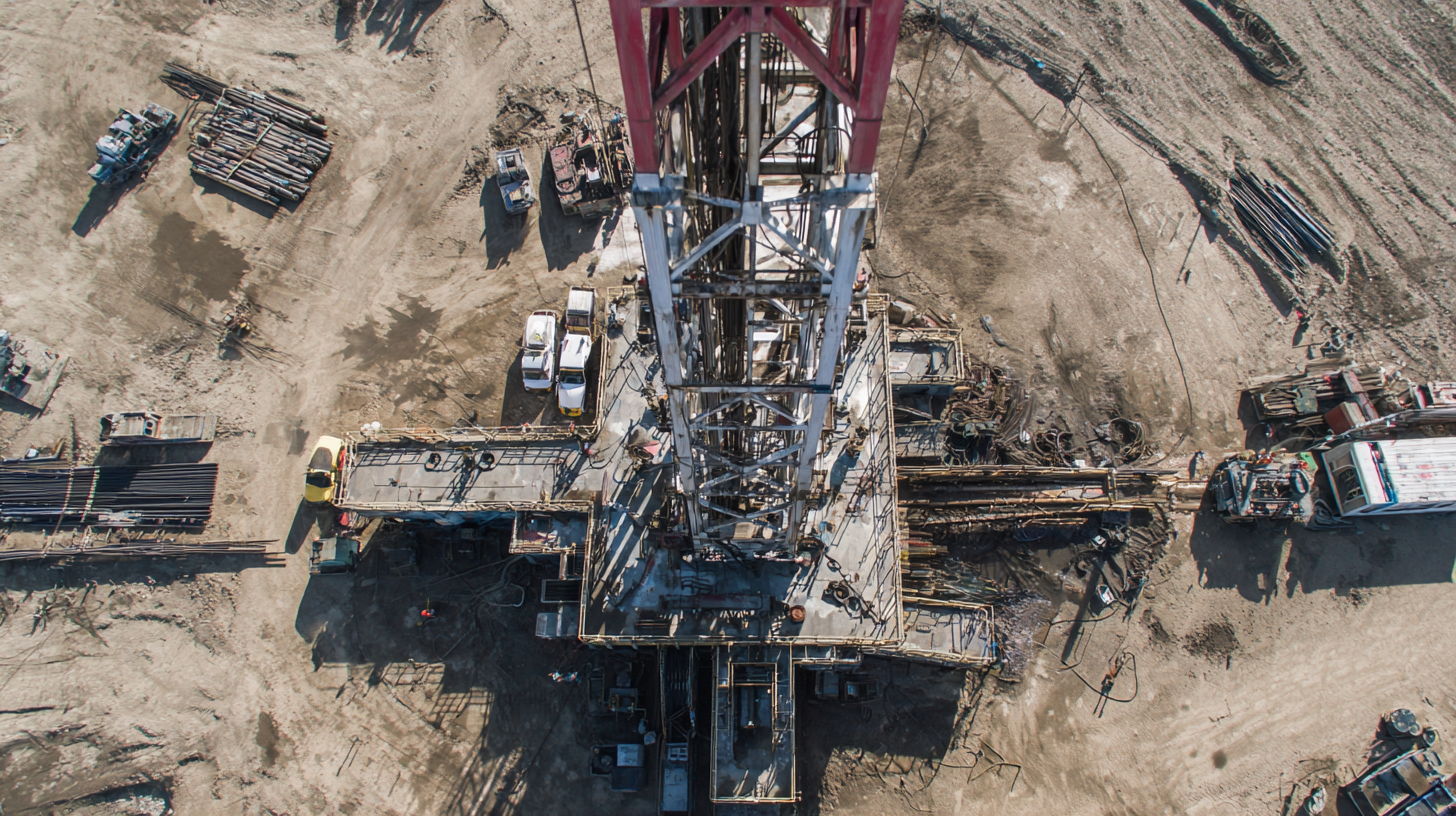
And here's the coolest part: technology has come a long way. Now, we’ve got programmable shaped charges that can actually adjust as drilling progresses. The American Petroleum Institute did a study and found that using these adaptive charges bumped up penetration rates by about 15% compared to the old-school methods. That means drilling gets faster and more efficient, but it also helps cut down the environmental footprint since fewer wells are needed in a given area. It’s definitely a smart move for companies wanting to be more sustainable in the oil and gas world.
Safety Protocols and Best Practices for Handling Downhole Charges
When you're working with downhole shaped charges for drilling, safety really has to come first. I mean, according to a report by the American Petroleum Institute (API), messing up with these explosives accounts for more than 30% of field incidents. So yeah, sticking to strict safety rules isn’t just a good idea — it’s essential to keep everyone safe and avoid accidents. It's really important to train everyone thoroughly on handling these charges, making sure they understand how they work and what behaviors are safe and unsafe. And don’t underestimate the power of clear communication, especially in high-risk areas — it can actually make a big difference.
On top of that, some best practices include doing regular inspections and following storage rules set by the Department of Transportation (DOT). The charges should be kept in a cool, dry spot, far away from anything that could spark a fire, and clearly labeled so no one accidentally mishandles them. Plus, everyone handling these should wear proper protective gear — PPE — because safety gear is non-negotiable. The National Institute for Occupational Safety and Health (NIOSH) also recommends having a solid system in place to keep track of how charges are used. All in all, by sticking to these safety protocols, drilling companies can create a safer work environment and actually get better results with their drilling operations without taking unnecessary risks.
Downhole Shaped Charges Performance Metrics
This chart displays the performance of various downhole shaped charges based on their penetration depth and efficiency. The data illustrates how different charge configurations impact drilling effectiveness, which is crucial for optimizing operations and ensuring safety protocols are met.
Measuring Performance Outcomes: Analyzing the Impact of Shaped Charges
When it comes to drilling, the way downhole shaped charges perform really makes a big difference in how efficient the operation is and how much it messes up the surrounding rock. Lately, research has shown that factors like the charge’s structure and what it’s made of can really change how deep it can penetrate and how it fractures the rock. For example, they’ve seen that a three-layer liner shaped charge can reach a pretty impressive depth—up to about 395.5 mm. This kind of info just goes to show why picking the right charge design is so important — it’s all about getting the best drilling results without causing unnecessary risks from shockwaves traveling through the rock.
If you're working with shaped charges, it’s a good idea to play around with different explosive materials and setups to see what works best. And don’t forget to keep checking and tweaking your blasting techniques based on the data you gather in real-time or from past experiments, especially since geological conditions can change a lot from place to place.
Another thing that’s really worth understanding is how the jet behaves once it’s fired, and how the distance between the charge and the target (known as standoff) can impact things. Recent studies suggest that even tiny differences in standoff can make a big difference in how effectively your drill performs. So, to make sure you’re on the right track, it’s smart to refine your charge designs based on jet performance data and to stay aware of the specific characteristics of the rock you’re dealing with.
**Pro tip:** Using modeling simulators can really help predict how shaped charges will behave under different conditions. That way, your drilling plan is better prepared to handle whatever environment it faces, making your operations smoother and more predictable.
Troubleshooting Common Issues with Downhole Shaped Charge Operations
When it comes to using downhole shaped charges, drillers often run into some pretty common issues that can really throw a wrench in the overall performance. One of the biggest problems? Trying to place those charges in the wrong spots. If they're not positioned just right, it can seriously cut down on how well they penetrate the target formation. I remember reading in a report from the Society of Petroleum Engineers that getting the charge placement nailed down could boost penetration rates by as much as 25%. So yeah, it’s super important to plan the right trajectory and make sure everything’s exact to get the best bang for your buck.
Then there's the thing about the quality of the shaped charges themselves. Sometimes, faults in manufacturing or the materials used can cause them not to perform reliably. The International Society of Explosive Engineers (ISEE) actually found that around 15% of shaped charge failures come down to manufacturing issues. To dodge this, it’s a smart move for operators to stick with trusted manufacturers and run thorough quality checks throughout the supply chain — you don’t want surprises during the job!
And let’s not forget about the environment conditions down there. Changes in temperature and pressure can really mess with how these charges detonate, which means the results might not always turn out as expected. A study in the Journal of Petroleum Technology pointed out that sticking within certain temperature and pressure ranges can improve detonation efficiency by up to 30%. So, keeping a close eye on the downhole environment and monitoring conditions carefully is crucial to making sure everything works smoothly when using shaped charges in drilling operations.
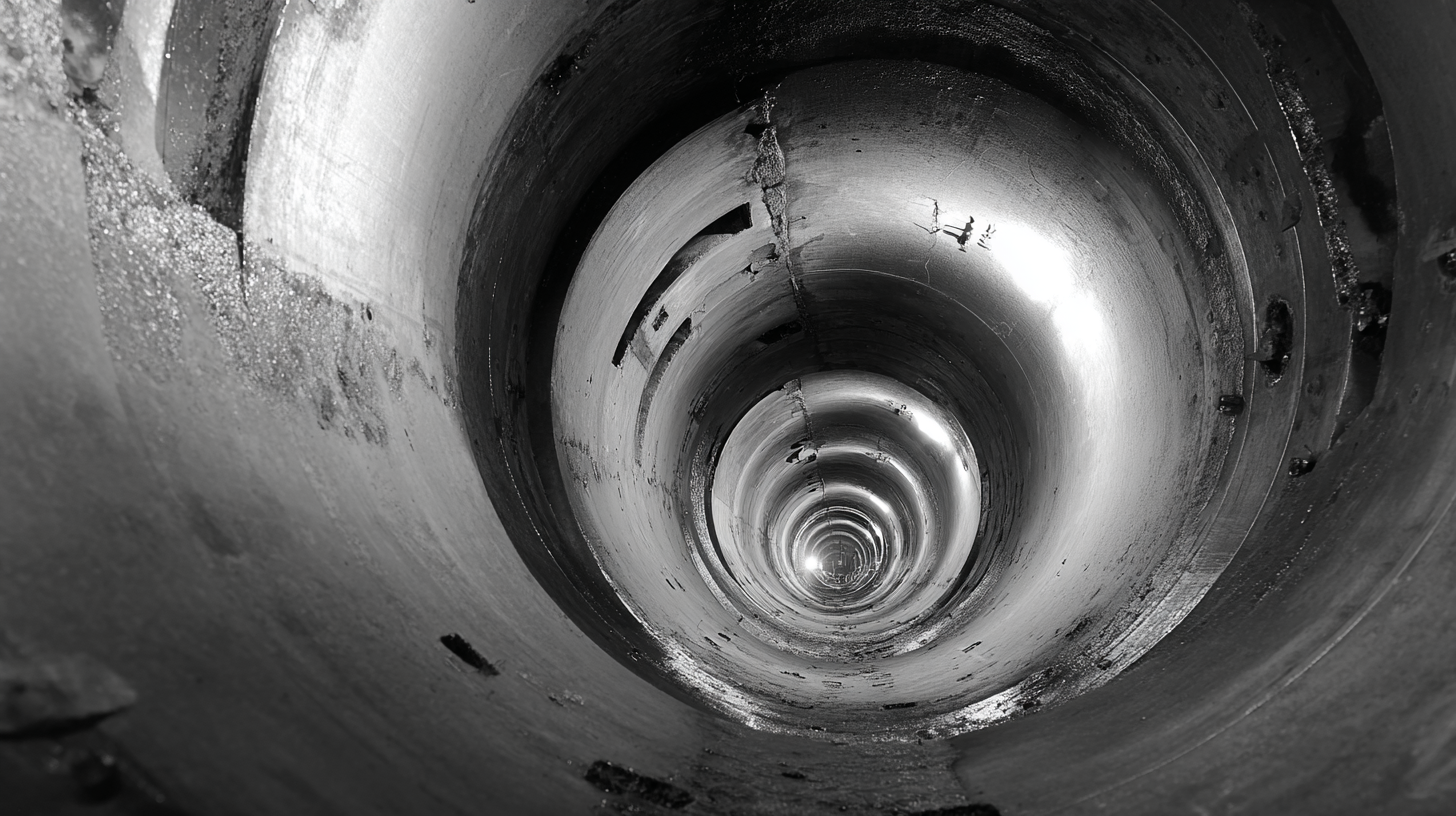
Optimizing Oil Recovery with Big Hole Shaped Charges in the H-1 Perforating Gun System
The use of Big Hole Shaped Charges (BH Charges) within the H-1 Perforating Gun System represents a significant advancement in optimizing oil recovery. Specifically engineered to create large-diameter perforations, these charges facilitate improved fluid and gas flow in wellbores, leading to enhanced production capabilities. Traditional perforating methods often struggle to perform in high-output wells, where the need for larger openings becomes paramount. BH Charges bring high-energy detonation and design precision, allowing them to generate larger-than-usual perforations that support the efficient extraction of hydrocarbons.
The compatibility of BH Charges with the H-1 Perforating Gun System is a game-changer for operational efficiency. With a proven track record of consistency and accuracy, these charges ensure optimal performance while safeguarding the integrity of the surrounding formations. Their ability to produce larger bore openings with greater accuracy is particularly beneficial in complex drilling scenarios, such as deep wells. By utilizing BH Charges, operators can effectively penetrate sections that may resist conventional perforating techniques, ultimately leading to both increased productivity and decreased operational costs. This innovative solution reflects a strategic approach to maximizing well performance in today’s competitive energy landscape.
FAQS
: Downhole shaped charges are used to create effective perforations in well casings, enhancing drilling performance, increasing flow rates, and improving hydrocarbon recovery.
Operators should consider well conditions such as depth and pressure, the type of charge, size, and detonation velocity, as these factors optimize performance and minimize surrounding rock damage.
Different designs of shaped charges cater to specific formations and drilling conditions, with the right charge potentially increasing penetration rates by up to 30%, thereby reducing drilling time and costs.
Regular maintenance of perforating guns is crucial to ensure their reliable functionality during critical drilling operations.
The pandemic has led to shifts in the drilling industry's dynamics, emphasizing the need for innovative technologies and advanced wireline perforating systems that are adaptable to various onshore environments.
Utilizing optimized shaped charges can lead to an average reduction of 15% in non-productive time during drilling projects.
Yes, high energy shaped charges are more suitable for hard rock formations, while lower energy options can be effective in softer sedimentary layers.
Yes, investing in advanced well perforating systems that provide customizable options can enhance efficiency and safety while minimizing rig time.
Tailored perforating solutions maximize productivity and reduce operational costs in onshore applications.
Conclusion
Hey, have you checked out that article titled "How to Effectively Use Downhole Shaped Charges for Better Drilling Results"? It’s actually pretty helpful—walking you through the ins and outs of using these charges to boost your drilling game. The piece kicks off with a simple rundown of what shaped charges are and where they fit in the drilling process, then dives into how to pick the right type based on your specific needs. I really liked how it stresses the importance of integrating these charges into your drilling plans for maximum efficiency. Of course, safety is a big deal, so it also covers best practices and protocols for handling these powerful tools properly.
Plus, the article stresses just how crucial it is to track and measure performance so you can see what’s working and what’s not. It even offers some handy tips for troubleshooting common issues that pop up during operations.
On a related note, Shaanxi Brilliant Machinery Co., Ltd. is totally on the same page when it comes to quality and innovation. They aim to set the standard in the mechanical parts industry by focusing on smart, effective use of Downhole Shaped Charges. For companies in the drilling game, getting this right can really boost performance, sustainability, and overall customer satisfaction. It’s all about working smarter, not harder, right?