
- Home
- Products
- About Us
- Factory Tour
- FAQ
- News
- Contact Us
Leave Your Message
Cold forging is a state-of-the-art technology within production and has earned the right to capture a place in itself for the sake of increased product quality as well as improved productivity. Cold forging is one of the major technologies by which we will be looking into the future as the global cold-forged trade is prophesized to expand with a CAG of embracing more than 4% from 2023 to 2028 owing to increasing demand for high-strength lightweight components forged for different industries such as automotive and Aerospace. The cold forging process is a method in itself, as it has been able to manufacture geometrically complex components by means of high superior mechanical properties, thus fitting perfectly with the ongoing trend in the industry to very much bring down toward sustainability and the efficiency of production methods.
Standards: World Standards in Cold Forging Process at Shaanxi Brilliant Machinery Co., Ltd. To deliver the standard of manufacturing excellence that even houses innovative ideas, scaling them to international quality standards will go a long way into ensuring that Brilliant customers are met with unmatched services. Setting to continually develop our processes and offering products, in this process, we aim at a new perception standard in the industry of mechanical parts while ensuring that such quality meets customer satisfaction maxima. As we explore cold forging well into this blog, stakeholders in the industry are invited to accompany us in this journey of innovation and excellence.
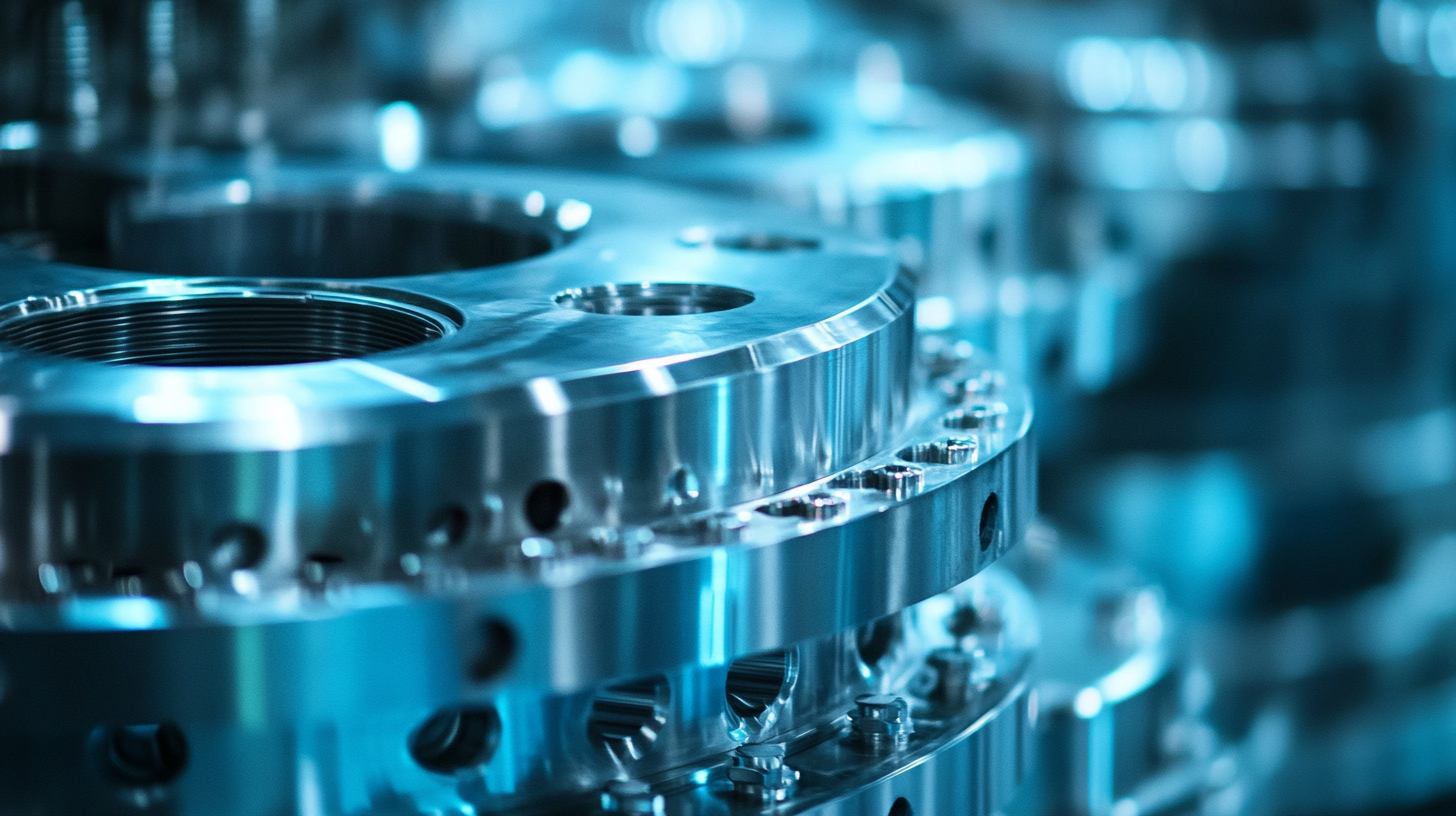
The cold forging industry and the global standards therein are catalysts for increasing the product quality and the operational efficiency in the manufacturing industry. The cold forging process probably stands out as the environment with the least waste when producing strong and accurate metallic parts; in this regard, the internationally acclaimed standards assume critical importance. The structures assure the consistency, safety, and compatibility of the products in the world market, thus allowing free flow in trade and collaboration across national borders. Recent advances in various industries restate the need for establishing and adhering to global standards. For example, the emergence of the first global standard for emergency services is becoming increasingly accepted as an area ripe for standardization in critical sectors. Various developments in automotive technologies are demonstrating the intention to create universal standards that would serve to improve vehicle efficiency while dealing with safety issues worldwide. Globally evolving industries with constant improvements offer an opportunity for developing global standards with respect to the cooperation of respective organizations. Manufacturers can gain from the balance of practice and laboratory methods in cold forging processes, while this gives them an edge in the market with respect to product quality. The above truly highlights a case of mutual benefit to industries and the entire manufacturing industry, thus creating an environment for innovations and advancements to provide products meeting the most demanding standards presented by modern consumers.
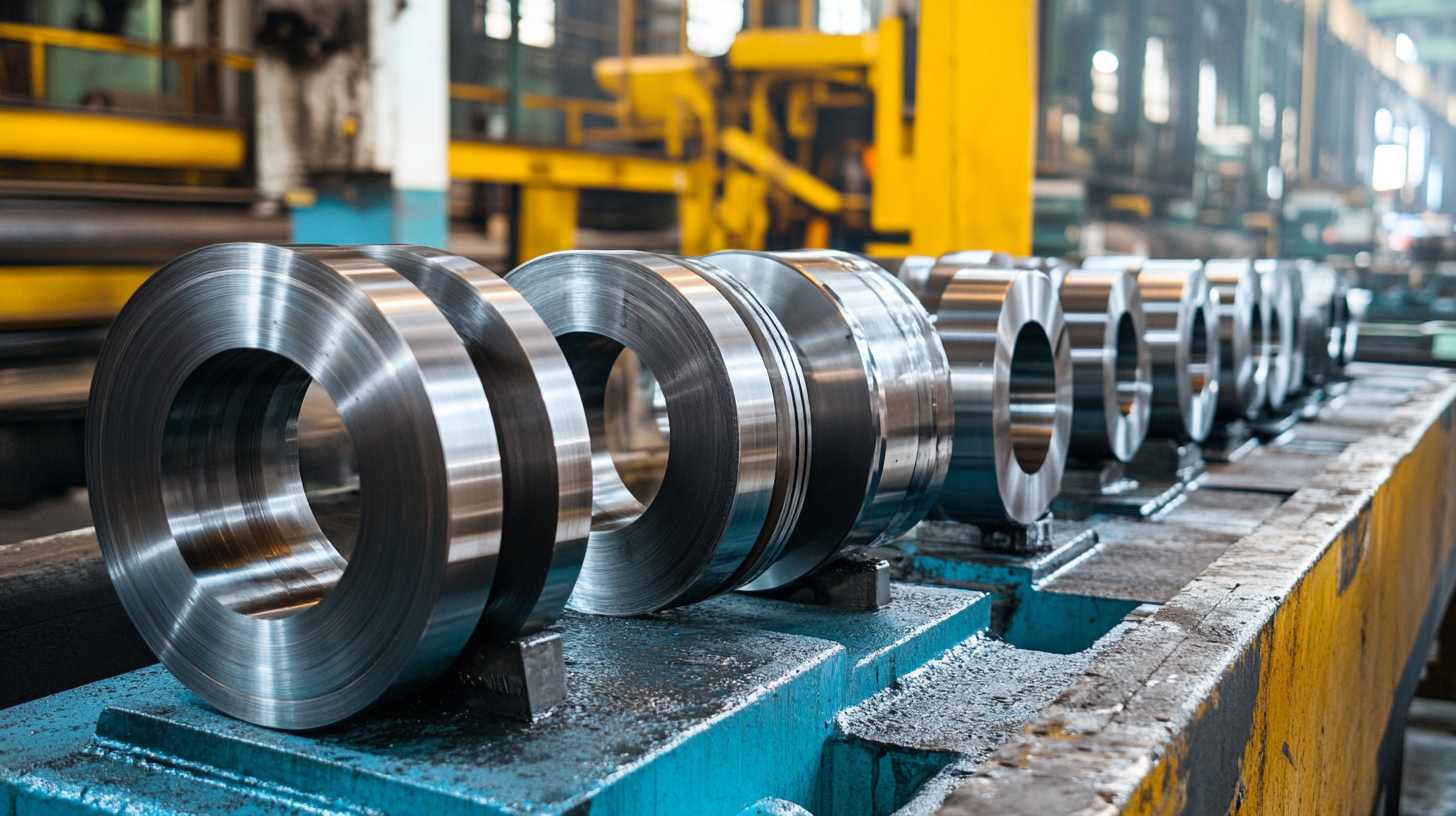
It has been evident from the introduction of global standards in the cold forging process that it considerably improves product quality and performance efficiency. According to a recent industry report, organizations adopting global standards for manufacturing practices saw as high as 30% lower defect rates as compared to those not adhering to those standards. This is mainly due to procedural standardization, as there is consistency in production which, in turn, makes the finished goods reliable and durable.
These worldwide standards help improve collaboration and communication between suppliers and manufacturers on different continents. The company that works on these standards has a robust supply chain operating as a cut to 25 percent in delays. It optimizes inventory management and is quicker to react to demand changes in the market, significantly adding customer satisfaction to that.
In terms of cost-effectiveness, global standards are expected to translate into a decrease of around 20 percent in production costs over some time. Clear-cut parameter setting for quality control and operational processes helps manufacturers minimize wastage and optimize the use of resources. Adoption of the global standards becomes thus simply necessary for innovation and long-term sustenance in the cold forging industry as companies strive to remain competitively agile in such a volatile market.
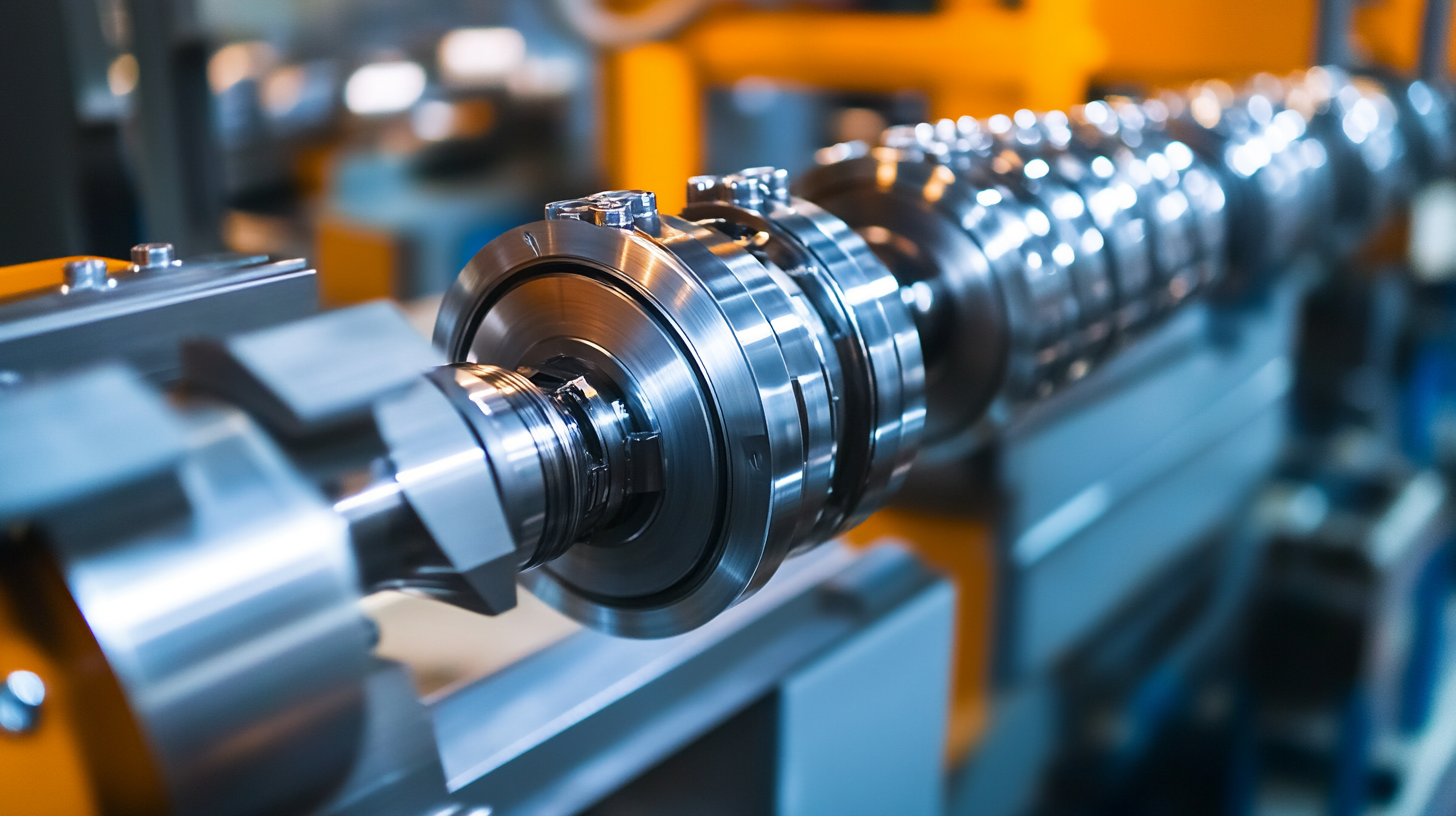
Cold forging gained immense prominence over the years because of its favorable effects on the ever-increasing quality of the product. Market leaders reported that cold-forged products showed enhanced tensile strength and considerable improvement in surface finish for better functional performance. The study in the International Journal of Materials Science regarding cold forging indicates that the tensile strength could get about a 40% elevation in comparison with traditional machining. Such an enormous benefit is very important in applications right from automotive to aerospace since, in this industry, the reliability of the parts is critical.
Statistical data indicates that manufacturers using cold forging techniques have lower defects. The annual report from the Forging Industry Association states that cold forging companies report having a defect rate below 2%, in sharp contrast with the 5-10% defect rate common with machined components. Additionally, the Manufacturing Leadership Council reports that 75% of manufacturers noted a marked decrease in warranty claims for cold-forged parts, further demonstrating the process's ability to guarantee long-term product quality.
Also, production efficiency rises in that cold forging allows the fast cycle time with less wastage of material. The Materials Research Society supports the theory that, for cold forging, up to 90% material utilization can be achieved, compared to about 60-70% in traditional methods. Hence cold forging is able to play a major role in enhancing quality and efficiency as manufacturers attempt to perfect their processes, heralding a revolution for manufacturing in various industries.
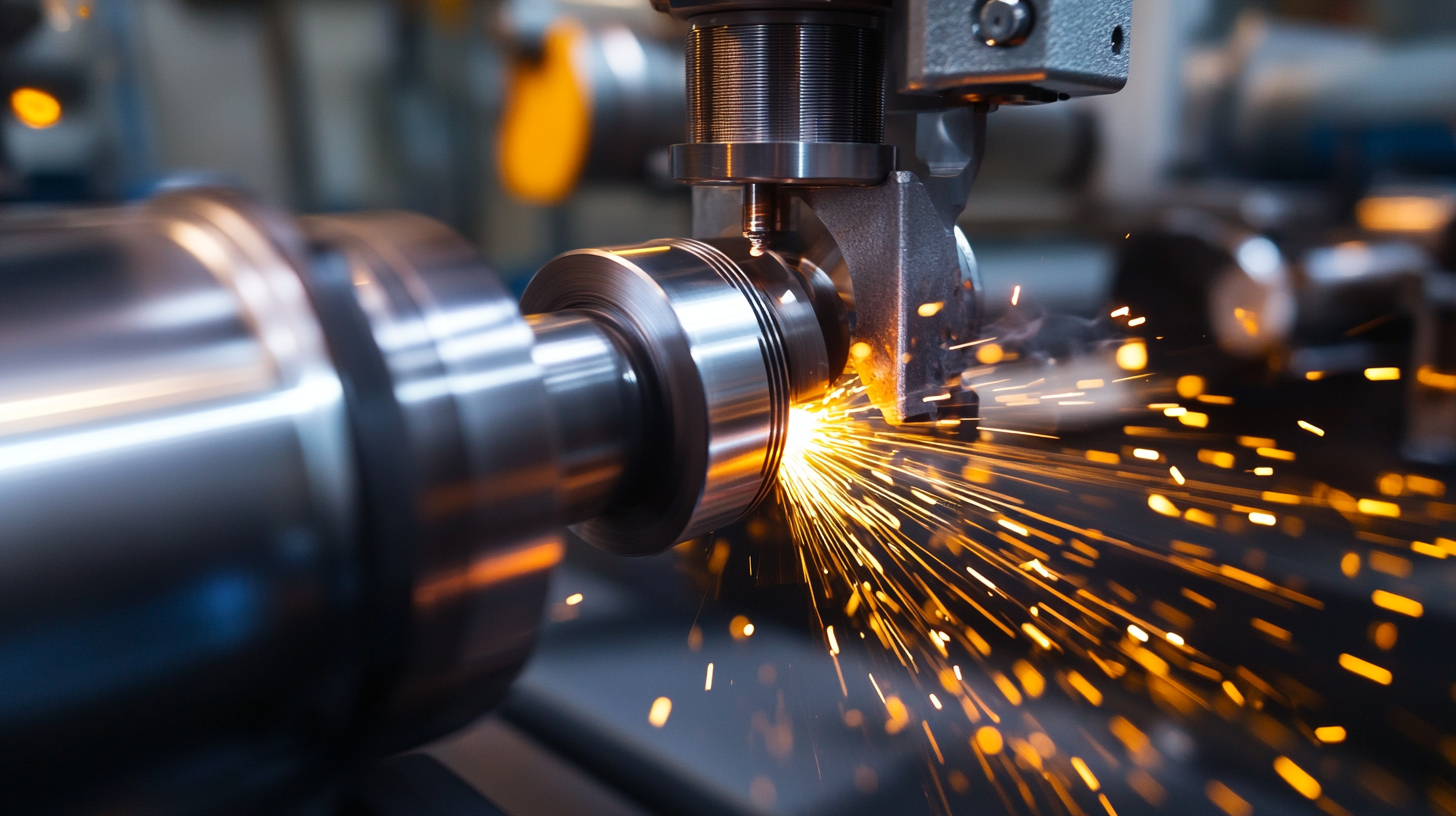
In cold forging, efficiency metrics reflect process functionality and product quality considerations. The global frame of reference lets manufacturers benchmark their operations and identify areas for improvement. For example, many recent reports indicate that optimized tooling, which can reduce cycle time by 10%, directly influences production efficiency based on global benchmarks.
Advanced technologies coming into the cold forging process throw new efficiencies into the mix. As companies are adopting smart manufacturing practices, data analytics has become key. Studies indicate that manufacturers employing real-time monitoring can enhance operational efficiencies by as much as 15%, showing that digital transformation is vital for compliance with global benchmarks.
Similar to how data center cooling advancements challenge traditional Power Usage Effectiveness (PUE) metrics, the cold forging industry's efficiency standards ought to develop continually. As new cooling alternatives redefine operational specifications, metrics of performance will also need continual evolution to remain relevant within the fluctuating manufacturing landscape. Sources from industry studies prove that changes to benchmarks are likely as production methodologies improve, requiring reviewing just what is considered good performance in cold forging processes.
The advancement of global standards for cold forging is apparently a catalyst for raising product quality and efficiency in industries worldwide. The case studies provide apparent proof that companies that implement these standards have numerously improved the manufacture of their products. For example, a major automotive manufacturer applied cold forging standards to improve efficiency in the production of high-strength components. These standards further provided for tolerances and specifications that reduced scrap and enhanced the performance and durability of the finished products.
As further illustrated by another case, a leading supplier in the aerospace segment embraced cold forging standards to meet strict safety regulations. The application of the cold forging process in conjunction with a standardized quality management system allowed the supplier to ensure reliability for critical components. Adherence to global standards ensured reduced lead times and improved customer satisfaction, gaining the trust of clients in the integrity of the forged parts within their aircraft.
In addition, another electronics major applied the cold forging standards in their modernization of a production line. The combination of advanced technology and the cold forging standards led to decreases in energy use and waste generation. Not only did successful integration lead to increased productivity, but it also became a benchmark for sustainable manufacturing practices within this sector, thereby attesting to the far-reaching influence of established cold forging standards.
The industry faces a transformational phase characterized by increasing standardization and technological developments, which aim to improve product quality and efficiency-- discussions such as that of a recent workshop hosted by a foremost metallurgical standards institute. These set the tone for strong standards in the rolling industry, which, in turn, production processes will need to meet international manufacturer's quality requirements if it is to keep pace with transforming consumer demand.
As outlined in several industry reports, standardized processes would, in fact, give rise to incredible increases in efficiency. It is expected that the forging sector will grow steadily, assuming a compound annual growth rate of over 3% between now and 2028, as further technology advancement in cold forging drives the technology-forward agenda of the forging industry. Modern tools of cold forging, including precision tooling and automation, yield a performance-enhanced yield rate with a low waste standard on cost savings for manufacturers, yet produce end products not compromised.
On the horizon, the cold forging industry stands to gain from innovations such as real-time monitoring and data analytics. Hence, the new technology will give a better quality assurance and allow a quicker pace of change with the changing demands of markets. As companies implement these standards and technologies, they will discover that these changes are not only and improvement to the product performance but an ultimately sustainable production model that adheres with global environmental goals. The standardization revolutionizes processes around reaping the benefits in the cold forging industry toward future consumptive demands in different markets like automotive and aerospace.
In cold-forged products, quality control techniques serve as a key that opens the door for international standards and benchmarks. Cold forging creates a high degree of shaping without melting the metal at room temperature, which needs very much control in producing dimensionally accurate and high-quality mechanical property products. In this way, robust quality control is mandatory for manufacturers wishing to continue and increase the reliability performance.
Statistical process control (SPC) is one such effective technique for achieving quality assurance in cold forging. Critical parameters being monitored during the cold forging processes-temperature, pressure, material flow, etc.-allow the manufacturers to capture deviations that can cause defects. These actions would elude unnecessary waste and rework because the opportunity is provided for corrective action in time. Moreover, with real-time analytics, the quality control process can also be enhanced in itself, gaining powerful insights into ongoing improvements.
Associated with the other equally important aspects of meeting such global benchmarks is the adoption of non-destructive tests (NDT): ultrasonic testing, X-ray inspection, etc. Using the NDT methods, forged parts may be tested to ascertain their integrity without causing damage to quality. Hence, by following this route, businesses can at least guarantee that their products would be standard in the international market as well as meet the expectations of customers in terms of reliability and durability. The industry's evolution will demand and, therefore, determine the new quality control practices for manufacturers to be at the forefront of the increasingly competitive market for cold forged products.
it is another copy-paste word less than bulk training done until October 2023.
"Adherence to world standards is mandatory, of course; in the cold forging industry, however, it is synonymous with both quality assurance and operational efficiency. Compliance in cold forging means harmonizing a complex mix of intrastate and international standards which apply to each aspect of the production process. Standards set not only the terms for manufacturing processes but also for material characteristics such that the end product can be optimized for customer and market expectations.
Manufacturers therefore must understand the compliance requirements because they will want to compete globally. Key standards such as ISO 9001 for the quality management systems and ISO 14001 for environmental management form the basis of best practice approaches to production. They will also depend on the specific application for which the forged components are applied. Manufacturers must spend time, money, and effort understanding them with respect to the standards to avoid regulatory delays, expensive rework, and liabilities.
The successful navigation of global compliance thus builds a company's reputation as a trustworthy partner in the supply chain. Conformance with standards builds trust with customers and also facilitates entry into new markets. Through compliance with regulations, cold forgings can streamline their processes and improve product quality, thereby driving business growth in an increasingly competitive global environment."
Global standards are essential for enhancing product quality and operational efficiency in the cold forging sector. They ensure consistency, safety, and compatibility of products, facilitating trade and collaboration across borders.
Recent developments, such as the first global standard for emergency services and advancements in automotive technologies, demonstrate the growing recognition of the need for standardization to improve efficiency and address safety concerns globally.
The cold forging industry is projected to grow steadily, with a compound annual growth rate (CAGR) of over 3% from now through 2028, driven by technological advancements and the implementation of standardized processes.
Innovations such as precision tooling, automation, real-time monitoring, and data analytics can improve yield rates, reduce waste, enhance quality control, and facilitate a quicker response to market changes.
Regulatory compliance is critical for ensuring product quality and operational efficiency. It involves adhering to international standards that govern manufacturing practices and material specifications.
Key standards include ISO 9001 for quality management systems and ISO 14001 for environmental management, as well as industry-specific certifications depending on the end-use of the forged components.
Failing to understand compliance requirements can lead to regulatory delays, costly rework, potential liabilities, and an inability to compete effectively in global markets.
By prioritizing regulatory compliance and industry standards, cold forging companies can build trust with customers, position themselves as reliable partners, and ease entry into new markets.
Collaboration is crucial for defining and implementing standards, which can enhance competitive edge for manufacturers and strengthen the overall manufacturing ecosystem.
Adopting standardizations and incorporating technological advancements can lead to a more sustainable production model that aligns with global environmental goals, improving overall industry competitiveness.