Contact us
Leave Your Message
0%

In the constantly changing world of oil and gas, choosing the right tools really makes a difference when it comes to working efficiently and getting the most out of production. One pretty important piece of that puzzle is selecting the right perforating gun shaped charges – these are key for perforating well casings so oil and gas can flow out smoothly. At Shaanxi Brilliant Machinery Co., Ltd., we’re all about setting the bar high for quality and sustainability in manufacturing. Our goal is to keep pushing innovation and raise standards across the mechanical parts industry. Plus, by sharing helpful tips on how to pick the best perforating gun shaped charges, we want to give industry folks the info they need to make smarter choices and boost their operations.
25 Proven Tips for Choosing the Best Perforating Gun Shaped Charges

Understanding Perforating Gun Shaped Charges: Key Concepts and Terminology

When you're diving into the world of perforating gun shaped charges, it's pretty important to get a good grasp of the basic concepts and terminology that explain how they work and what they're used for. Basically, a perforating gun is a mechanical tool used in oil and gas drilling—its job is to punch holes in the casing so that the hydrocarbons can flow out from the reservoir. If you've heard of a "shaped charge", that's a key term here too. These charges are specially designed to concentrate the explosive energy in a particular direction, forming a super-fast jet that bores through the casing and rock formation.

Also, getting familiar with different types of shaped charges—like single or multiple charges, and how they’re arranged—can make a big difference in how effective they are. The term "detonation velocity" is about how quickly the explosive burns up; it’s a factor that affects how well the charge penetrates. Another important idea is "calibrated penetration", which basically means tailoring how deep the charge can go, depending on things like the pressure and type of formation you're dealing with.

Once you've got a handle on these key terms and ideas, you'll be better equipped to choose and design perforating gun shaped charges that actually work well for your specific job. It’s all about making smarter decisions to get the best results out there.

The Importance of Charge Design in Well Perforation Performance

When it comes to really nailing well perforation, the design of the charges plays a huge role. Better, more advanced charge designs can make a big difference, especially when you're working in tough environments with high pressures and temps. Take deepwater wells, for example—think about the Thunder Horse project. That was a real eye-opener showing how cutting-edge charge tech can get them deeper cracks and boost productivity. Plus, adding in geomechanics data during the planning stage can really fine-tune your perforation strategy. This way, you can cut down on skin effects and let those oils and gases flow more freely.

If you’re trying to pick the right perforating gun charges, here are a few tips that might help. First, it’s smart to consider the specific pressure and temperature conditions of your target reservoir—that way, you're not using a one-size-fits-all approach. Next, pay close attention to the shape and design of the charges — because, honestly, those things directly impact how deep they penetrate and how clean the holes turn out. And don’t forget, using data-driven techniques, like sonar or acoustic measurements, can really help you refine your designs. These tools make your decision-making a lot smarter, especially when dealing with tricky geological formations.

All in all, it’s about blending the right tech, good info, and a bit of experience to get those perforations just right.

Material Composition: How It Affects Efficiency and Reliability

Choosing the right perforating gun shaped charge isn’t just a matter of picking any old material — it really comes down to what will work best for the job. The material you go with plays a big role in how effective and reliable the charge will be. It’s what determines whether it can actually cut through different types of rock formations and do what it’s supposed to do.

25 Proven Tips for Choosing the Best Perforating Gun Shaped Charges

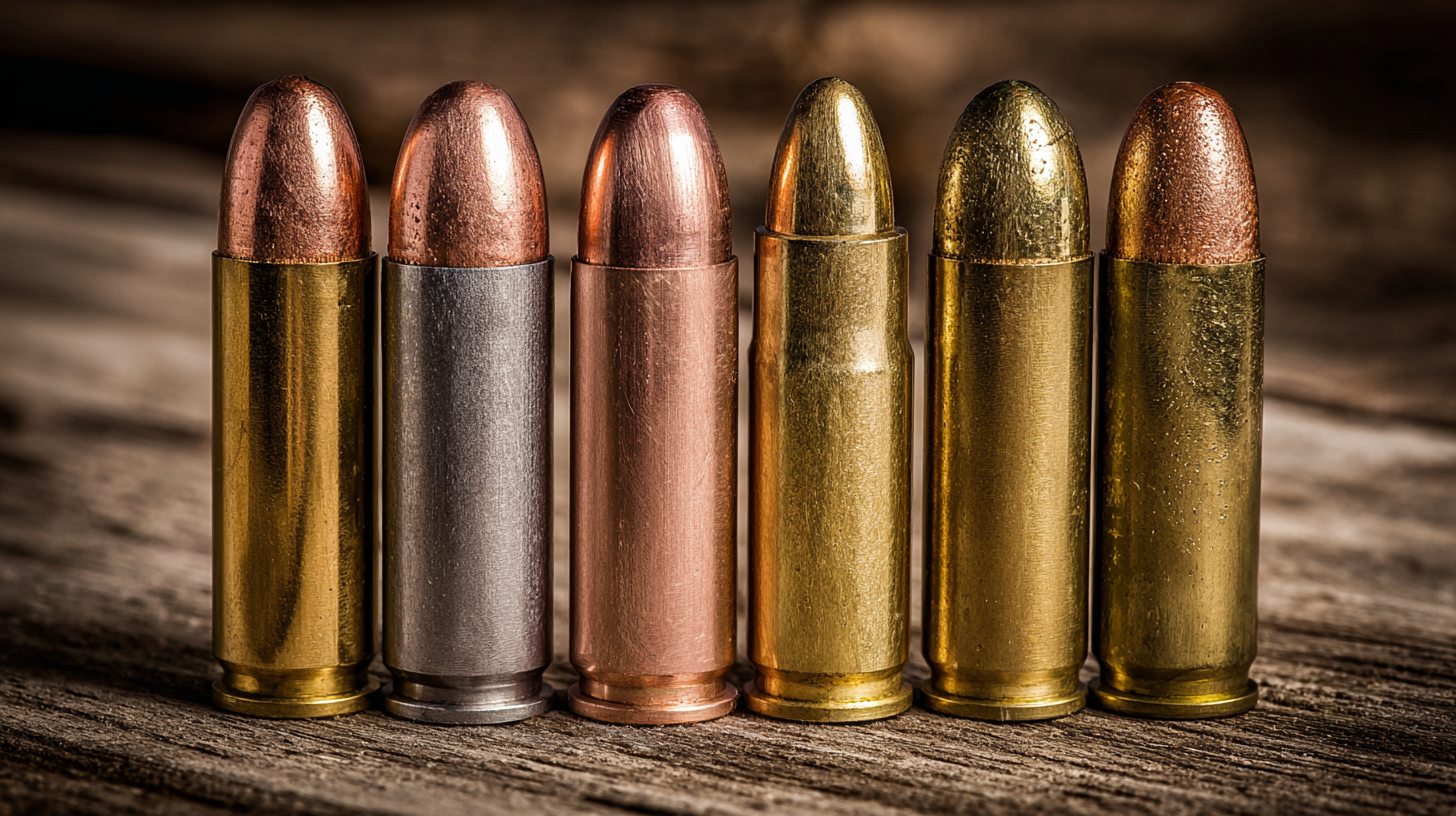
Typically, folks use materials like steel, aluminum, or various alloys, and each one brings its own set of properties to the table. For example, steel charges are pretty tough and resist warping under pressure, making them ideal for harsh, high-pressure environments. On the flip side, aluminum is lighter and easier to handle — which can be a real plus in certain situations.

Also, the chemical makeup really matters when it comes to performance. Getting that balance right can boost how well the charge penetrates and make the detonation smoother. Plus, how well the materials hold up against heat and corrosion can affect how long the charges last in different conditions. Bottom line — understanding what’s inside those charges isn’t just about boosting efficiency; it’s also key to making sure everything goes smoothly when you’re deep in the well and it really counts.

Factors to Consider When Selecting a Suitable Perforating Gun

When you're trying to pick out the right perforating gun shaped charge, there are a few key things you definitely want to keep in mind to make sure it performs well in different situations. First off, it's really important to understand the specific environment where the gun will be used. Different geological settings can mean you’ll need different types of shaped charges to get the best penetration and results. Also, the size and type of the well you’re working with play a big role — bigger wells usually call for more powerful charges to get the job done effectively.

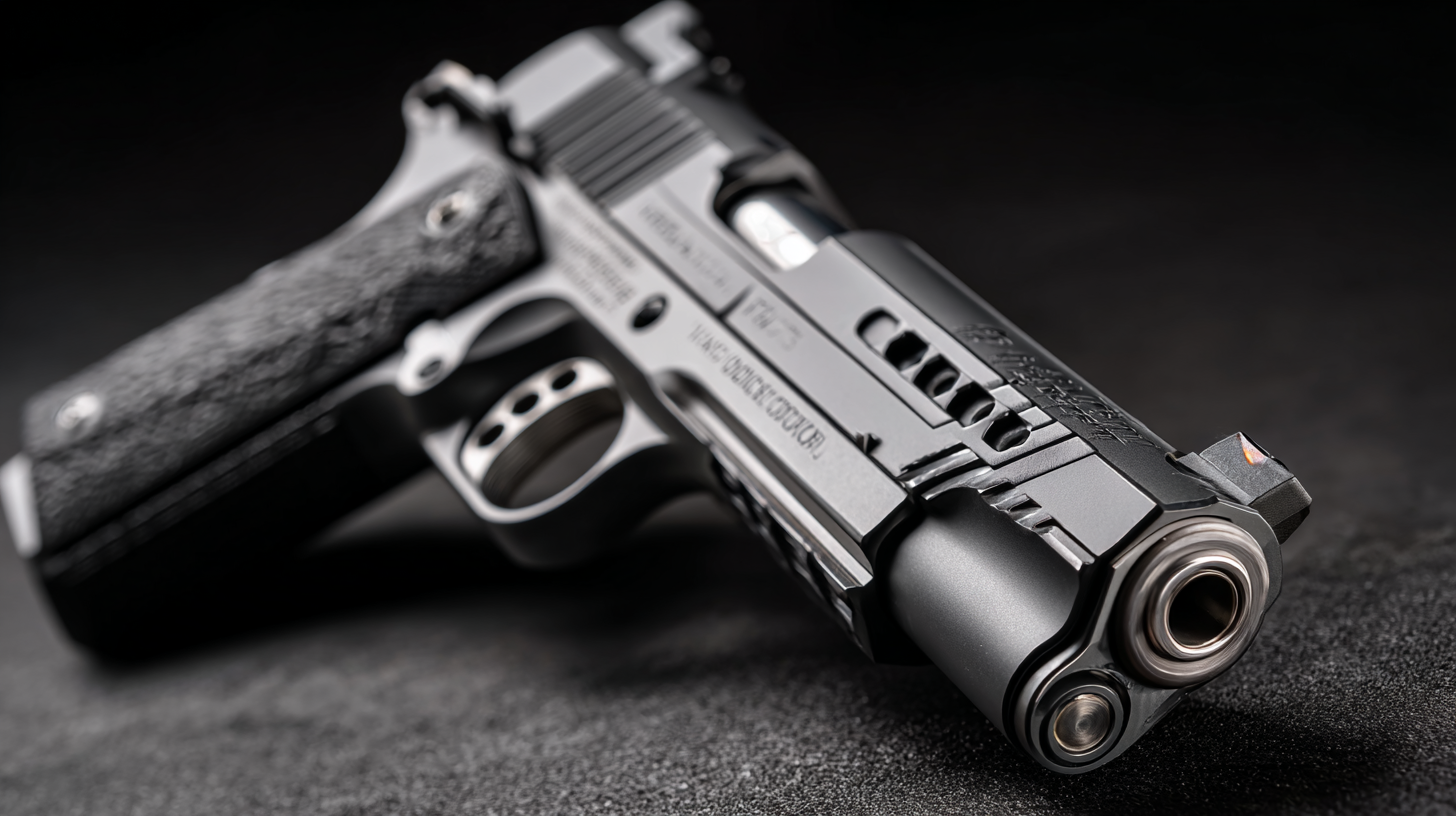
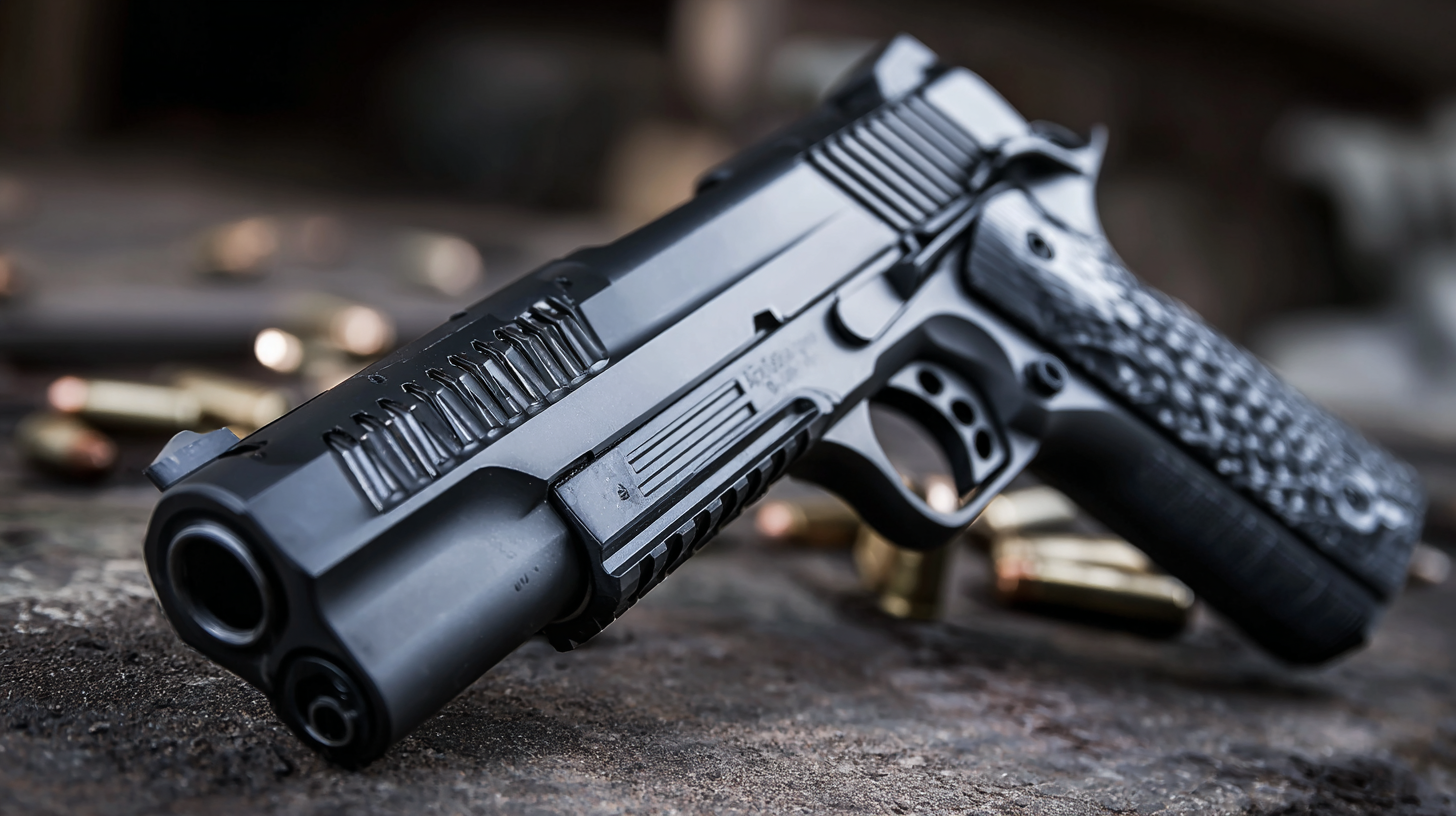
Another aspect that often gets overlooked is making sure the perforating gun plays nicely with the existing gear and tech you’ve already got in place. You want to pick a charge that can slot into your existing setup without too much hassle, so you don’t end up wasting time or causing unnecessary downtime. Just like how law enforcement’s adopting new semi-automatic handguns to keep up with current tech trends, it's pretty important to stay in the loop with the latest advancements to keep things running smoothly. At the end of the day, considering all these things helps operators choose the best shaped charges for their specific needs, leading to better results out in the field.

Common Misconceptions About Perforating Gun Charges Explored

Let's talk about perforating gun-shaped charges for a sec—there are quite a few common misconceptions out there that can really muddle your decision-making. For example, some folks assume that all shaped charges are pretty much the same, but that’s not the case. The truth is, variations in design and materials can make a big difference depending on what you're working with. So, it’s pretty important to do your homework and get familiar with the different options out there.

When you're picking the right perforating charges, you also need to think about the actual conditions downhole. Things like temperature, pressure, and the type of formation you’re dealing with really influence what you should choose. A good tip? Don’t hesitate to talk to manufacturers—they often have tons of detailed info on how their products perform under various circumstances.

And here’s another myth I want to clear up: a lot of folks believe that pricier charges automatically mean better quality. Not necessarily! Price can give you a hint, but it’s more reliable to look at actual performance data and user reviews. That way, you make smarter choices based on how they really perform, not just on the brand or what they cost.

Keep these points in mind, and you'll be better equipped to pick the right perforating gun charges for your specific needs without getting overwhelmed by all the details.

Common Misconceptions About Perforating Gun Charges

This chart illustrates the percentage of industry professionals who hold common misconceptions about perforating gun charges. Understanding these misconceptions is crucial for improving safety and efficacy in perforating operations.

Best Practices for Implementing Perforating Guns in Different Environments

When you're working with perforating guns in different environments, it's really important to follow some best practices to keep things efficient and safe. First off, getting a good understanding of the specific conditions at your job site is a must—stuff like soil type, humidity levels, and whether there's water around can really impact how well those shaped charges perform and what the overall results will be. Oh, and don't forget about the regulations, especially in places where environmental rules are pretty strict. You want to make sure you're playing by the book.

Lately, there’s been a big push to protect our environment, so it’s more important than ever to do thorough assessments before deploying those perforating guns. In regions with tight regulations, you might have to tweak your approach a bit—maybe use less invasive technologies or improve waste management practices. Balancing operational efficiency with environmental responsibility can be tricky, but if you adapt your strategies accordingly, you’ll not only get better results for your project but also help support broader sustainability efforts. It’s all about finding that sweet spot and being mindful of the bigger picture.

25 Proven Tips for Choosing the Best Perforating Gun Shaped Charges

FAQS

: What are some common misconceptions about perforating gun charges?

: One common misconception is that all shaped charges are created equal; variations in design and material can significantly affect performance.

How do operational conditions influence the choice of perforating gun charges?

Factors like downhole temperature, pressure, and the type of formation being perforated are crucial in the selection process of perforating gun charges.

Is a higher price indicative of better quality in perforating gun charges?

Not necessarily. While pricing can reflect certain attributes, it's important to analyze performance data and user reviews rather than relying solely on price or brand reputation.

What best practices should be followed when implementing perforating guns in different environments?

Understanding specific environmental conditions at the job site, such as soil composition and humidity, is essential for ensuring the efficiency and safety of perforating guns.

Why is regulatory compliance important when using perforating guns?

Many areas have strict environmental protection measures, making it crucial to ensure compliance to avoid legal issues and minimize environmental impacts.

How can industries minimize environmental impacts when deploying perforating guns?

Industries can employ less invasive technologies or adopt stricter waste management practices to adhere to regulatory requirements and minimize potential environmental impacts.

What role do manufacturers play in selecting perforating gun charges?

Consulting with manufacturers can provide valuable insights into the performance of their products under various operational conditions, aiding in the selection process.

How can thorough assessments before deploying perforating guns benefit projects?

Conducting thorough assessments helps in mapping out strategies that minimize environmental impacts and align with broader sustainability goals while improving project outcomes.
Charlotte

Charlotte

Charlotte is a dedicated marketing professional at Shaanxi Brilliant Machinery Co., Ltd., where she plays a pivotal role in communicating the company’s vision of becoming the global benchmark for manufacturing excellence, sustainability, and customer satisfaction in the mechanical parts industry.......
Previous Maximizing Value with Cold Forged Fasteners How to Reduce Maintenance Costs Effectively