
01
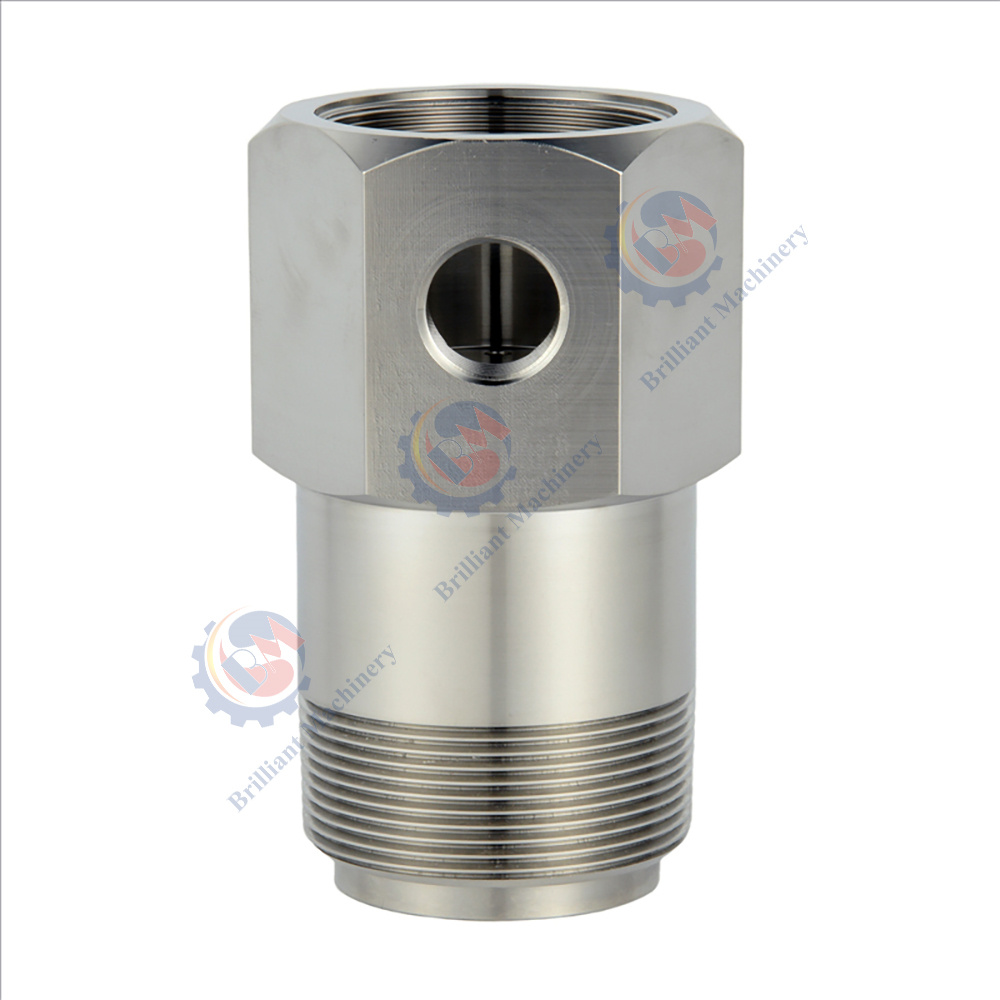
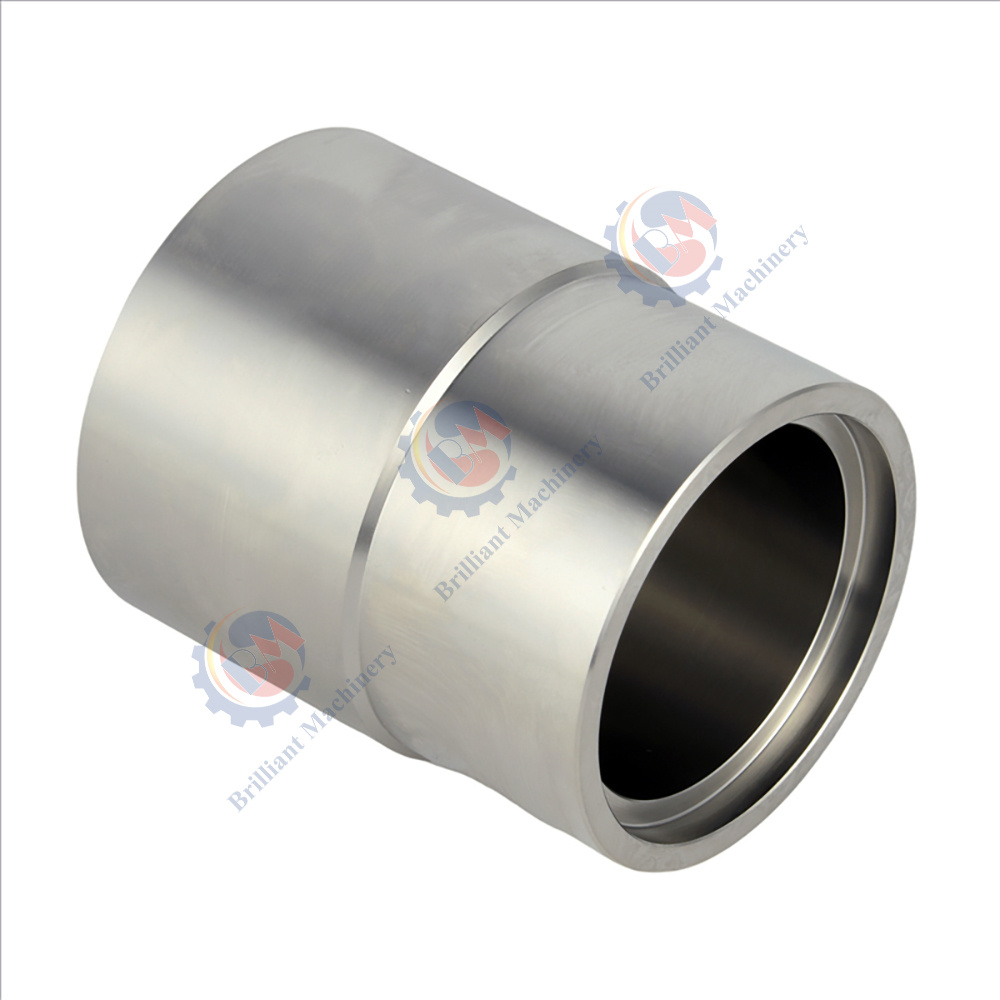
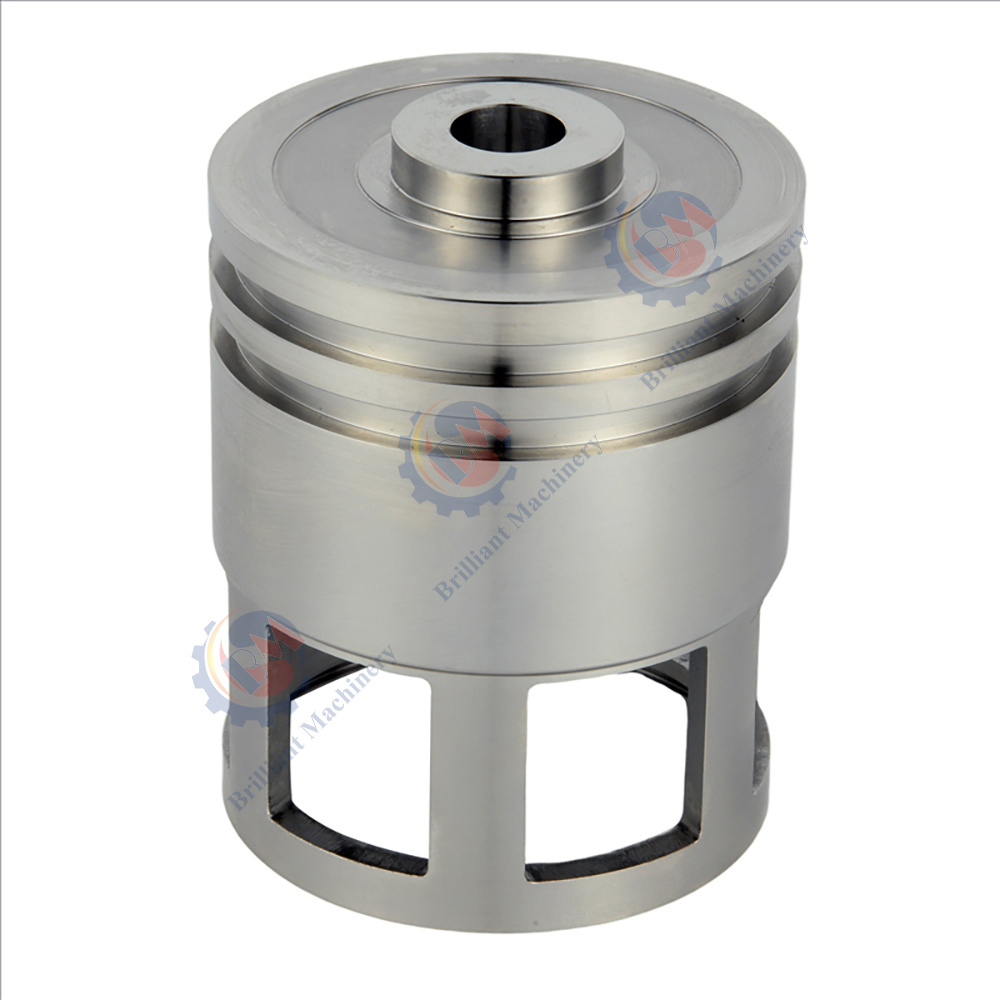
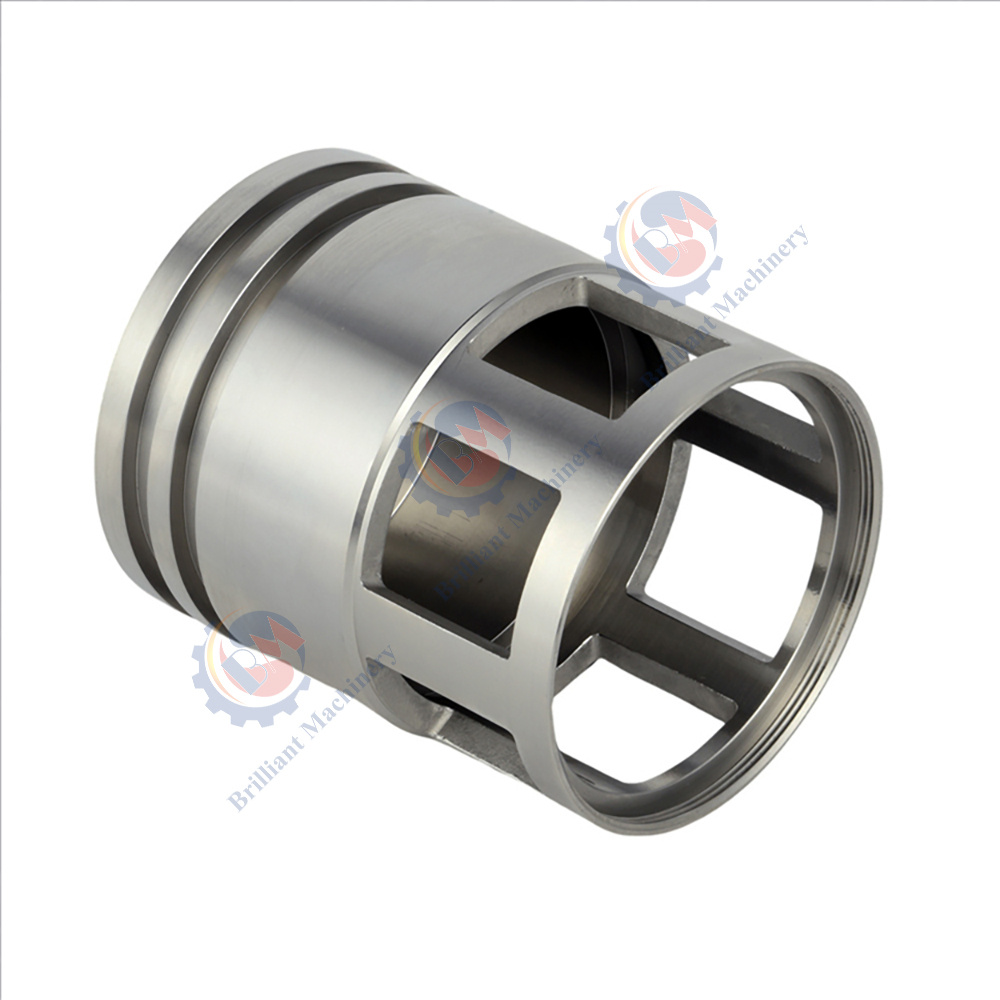
CNC Turning Parts for Textile and Apparel Industry
Material
• Carbon Steel: Carbon steel is also generally utilized in those parts that are in need of durability and strength, i.e., in machine shafts, gears, and pulleys. Carbon steel provides very good mechanical properties in textile machinery in heavy-duty applications.
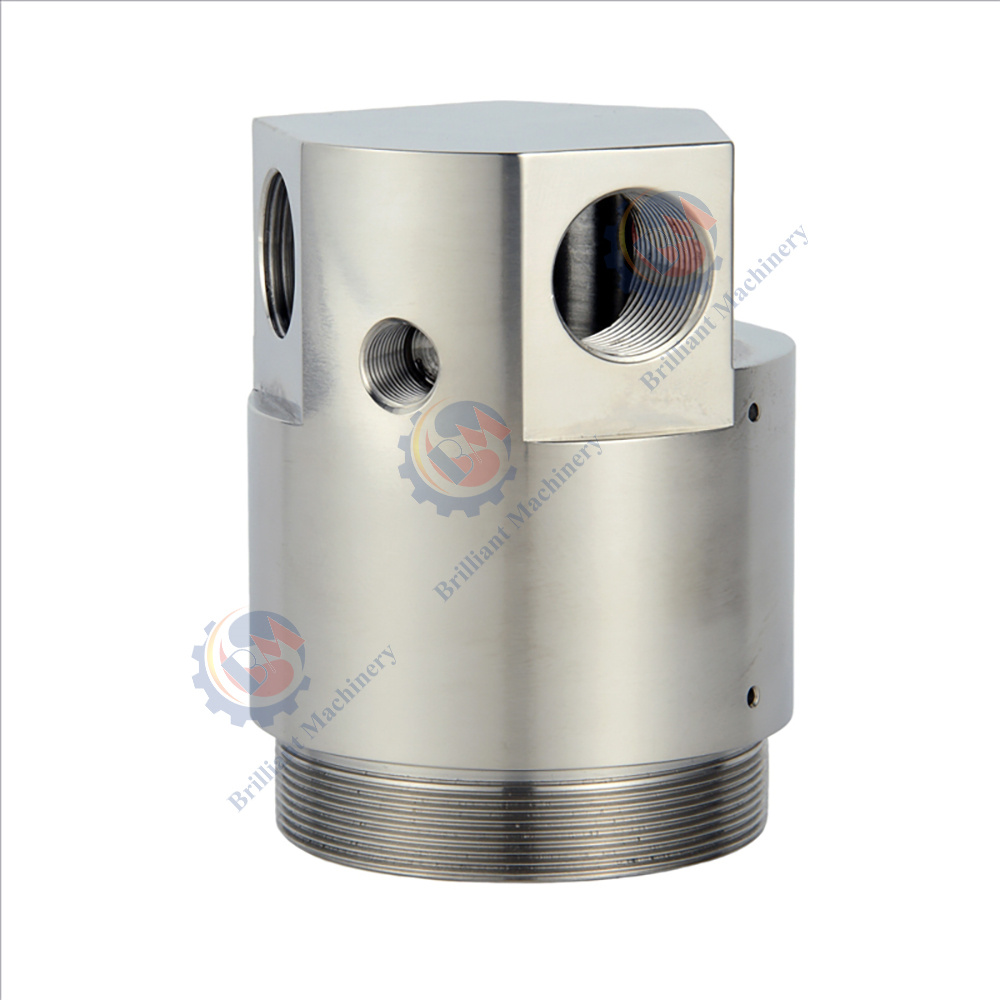
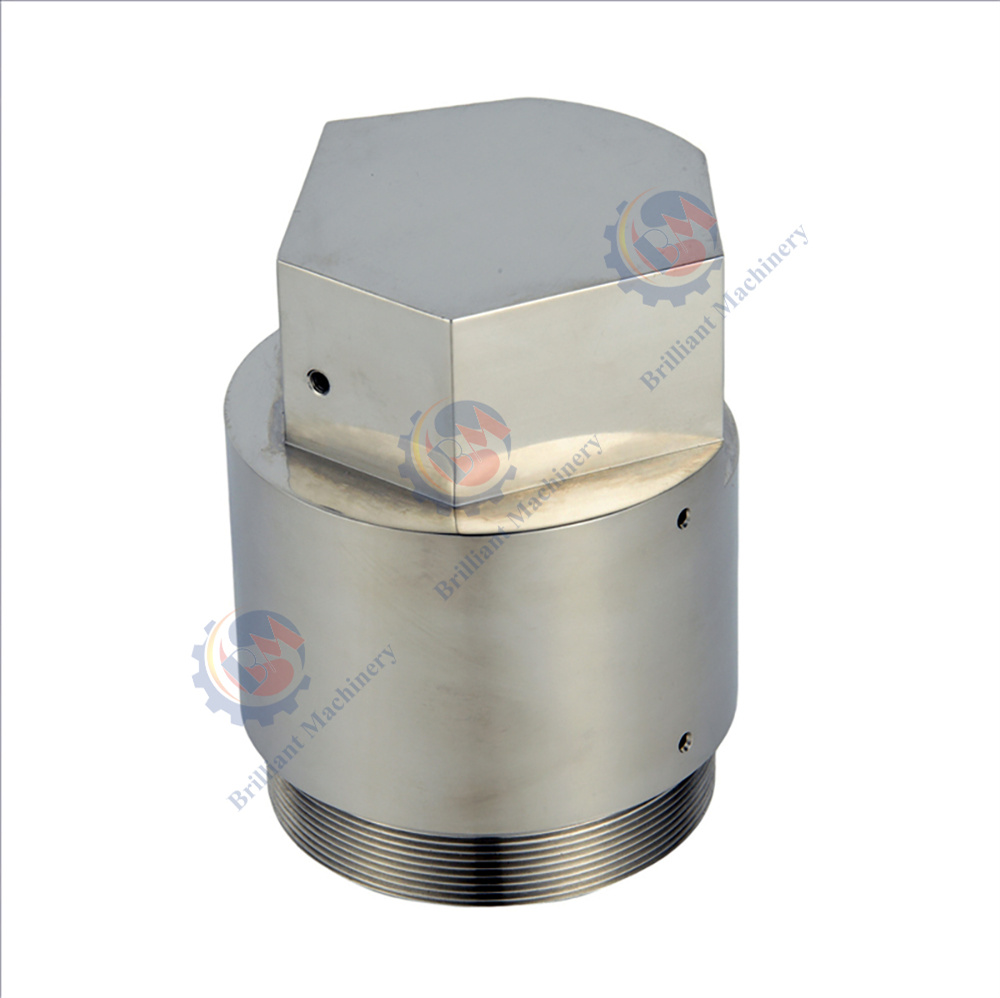
• Stainless Steel: Suitable for those parts that are in contact with fabric or machinery in which hygiene is a prime requirement as also resistance towards rust. Stainless steel parts facilitate durability as also ease in maintenance.
• Aluminum Alloys: Being light in weights with resistance from corrosion, aluminum alloys are also used extensively in rollers, spindles, as also in brackets. They render machinery light in weights without weakening its strengths.
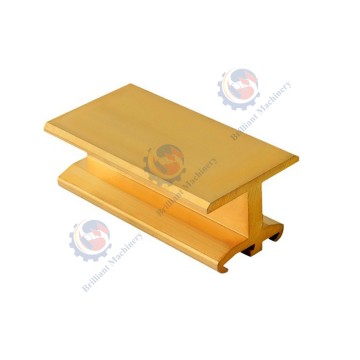
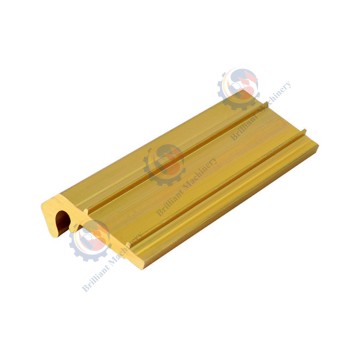
• Brass and Bronze Alloys: The usage is in those parts which have a wearing resistance requirement, i.e., in bearings, in bushings, as also in some frictional parts in textile machinery.
• Plastic Composites: Abrasion-resistant food grade, these are also made in non-metallic parts like seals, knobs, as also in coverings, which is a cost-effective alternative in textile machinery component.
Specifications
• Precision Tolerances: The turning in CNC is in a position to create high precision tolerances at ±0.01 mm. The requirement is essential in order to have machines in a position to smoothly operate.
• Custom Designs: The material can be tailored with advanced functionalities such as contours, threads, as well as grooves in a move towards encompassing specialized demands in textile as well as garment manufacturing.
• Surface Finish: There are also varied finishes that can be matte, a glossy surface, or an anodized surface. The surface finishes can be varied on whether a component is in contact with a component in a state of friction or is supposed to have a reduced fabric contact.
• Size Range: The CNC turning operation can handle a broad variety of sizes in parts from small machinery components up to big parts such as rollers and spindles.
Production Processes
1. CAD Design: The component is designed in 3D in digital form with cutting-edge CAD software with all client specification and requirements satisfied.
2. CNC Turning: The component is held in a CNC lathe, on which turning is carried out. The lathe rotates around and forms the component with high precision according to the design from the CAD, giving high precision.
3. Secondary Operations: There are additional operations, either tapping, drilling, or polishing, that are conducted as a requirement necessary in order to form the component further.
4. Finishing: Depending on the part's function, it may undergo surface treatments like anodizing, polishing, or coating to improve durability and aesthetics.
Quality Test and Inspection
• Dimensional Checks: The dimensions are obtained with high-end instruments such as micrometers as also with CMMs in a way that ensures that parts will fit into specified tolerances.
• Material Testing: Hardness, tensile strength, and surface integrity tests ensure that the materials used in manufacturing meet the strength and durability requirements.
• Functionality Testing: Functional key elements such as gears, shafting, and pulleys are functionalally tested in a manner that simulates operation.
• Visual Inspection: A full examination is conducted in order to inspect surface flaws, crack, or defects that can affect component functionality.
Key Features
• Precision and Accuracy: The high tolerancing with challenging geometry is attained with CNC turning, leading to parts that fit into textile machinery seamlessly.
• Durability: Parts are designed with durability in consideration in preparation for high-speed, continuous textile manufacturing.
• Customization: CNC turning is a flexibility in producing parts according to specified machinery requirements as well as customized design.
• Corrosion Resistance: Stainless steel is also combined with aluminum because both are not corrosive. That is, maintenance will not be as frequently as before.
Industry Applications
• Textile Manufacturing: CNC turning parts are extensively used in machines such as looms, knitting machines, as also in spining machines, in which high precision, repetitive parts are critical.
• Garment Production: CNC turning is also used in manufacturing sewing and embroidery machinery component parts, i.e., spools, guide needles, and spindles, in a bid to attain high production with ease.
• Fabric Handling Equipment: Parts such as rollers, spindles, and shafts are essential in fabric finishing and fabric-handling machines, in which free-moving, high-speed operation is necessary in order to produce high-quality textiles.
Packaging and Storage
After production, CNC machined parts are packed with care in order not to be damaged in transit. Foam padding as well as bubble wrap is utilized in order to secure the parts. The parts are also warehoused in a condition that will not allow corrosion as well as damage before dispatch. Proper tagging makes all parts identifiable in order to facilitate rapid assembly as well as replacement.
Shipment
CNC turning parts are sent through secure carriage means in a bid to deliver securely on time. Each order is followed with tracking means. The parts are sent in securely packed boxes not to cause damage on carriage. Timely deliveries are critical in a bid to keep production lines in motion.