Aluminium bronze castings have really become a key part of so many industries these days. Why? Well, they offer amazing corrosion resistance, are super strong, and stand up well against wear and tear. As companies around the world look for ways to boost performance without harming the environment, innovative uses of aluminium bronze are honestly leading the charge. I read recently that the global market for aluminium bronze is expected to hit about $2.5 billion by 2026, growing at roughly 5.2% annually. At Shaanxi Brilliant Machinery Co., Ltd., we’re all about keeping up with these trends. We’re working hard to set the bar high in manufacturing, focusing on sustainability and making sure our customers are happy. By always pushing ourselves to improve and innovate, we hope to raise the standards of quality in the mechanical parts world—so our aluminium bronze castings can meet all sorts of needs from clients all over the globe.
Emerging Trends in Aluminium Bronze Casting Techniques Worldwide
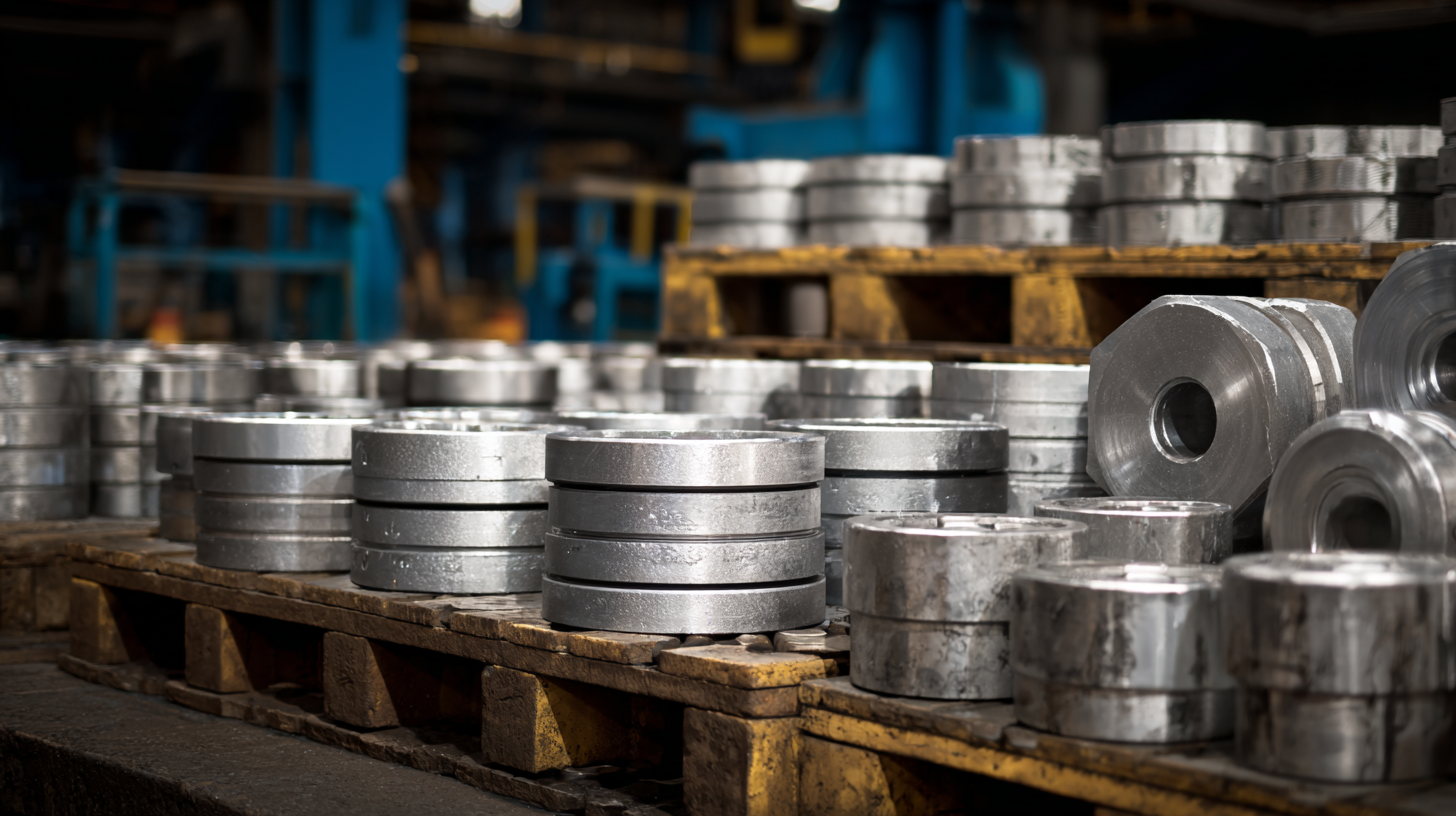
Aluminium bronze castings are really gaining popularity across a bunch of different industries worldwide. People are loving them because they’ve got some pretty amazing qualities—like being resistant to corrosion and incredibly strong. Lately, there’s been some cool new trends in casting tech that make the whole process more efficient and eco-friendly. For example, the rise of 3D printing tech means companies can now create more intricate shapes that used to be a total pain or even impossible before. That not only cuts down on waste but also helps use materials more wisely. It’s kind of a win-win — it speeds things up and also keeps things greener.
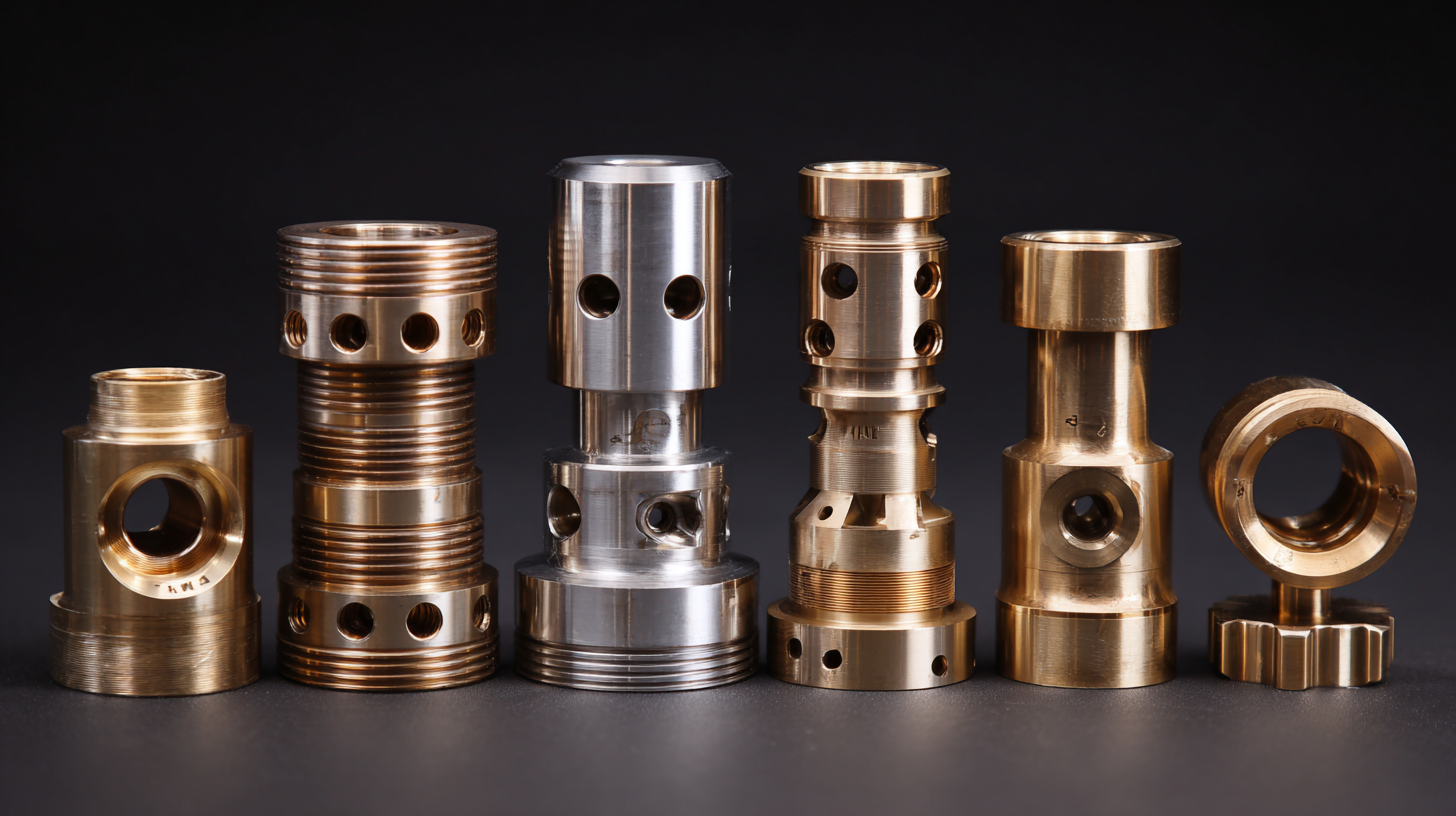
On top of that, smart tech is slowly but surely changing the game. Things like IoT sensors that monitor the casting in real-time are making sure quality is on point and catching potential issues early, so there's less downtime and fewer defective parts. Companies are also looking into recycled materials for their castings, which is a nice step toward sustainability. Altogether, these trends show how the industry is moving towards more innovative, smarter practices that not only boost the properties of aluminium bronze castings but also support global efforts to make manufacturing more sustainable and circular.
Applications of Aluminium Bronze in Marine Engineering and Shipbuilding
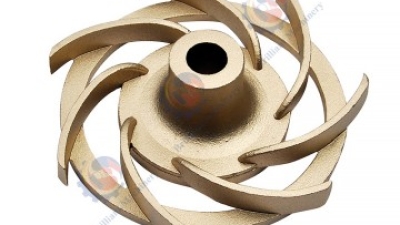
Aluminium bronze is pretty well-known for its ability to resist corrosion and its strength. It's actually a key player in marine engineering and shipbuilding. What makes this metal stand out is its unique set of properties, making it perfect for parts that face the tough conditions out at sea—think propellers, pumps, and valves. Oh, and when you add nickel-aluminum bronze (or NAB) into the mix, it gets even better. That stuff offers improved fatigue resistance, which is a big deal if you want your ships to last longer and stay reliable over time.
A little tip: whenever you’re choosing materials for marine projects, it’s smart to do a thorough check of the environment those parts will face. This way, you’re not just meeting the basic standards but also boosting the overall efficiency and eco-friendliness of the vessels.
Plus, recent tech like wire-arc additive manufacturing has really opened up new possibilities. It’s now easier to produce nickel-aluminum bronze pieces with enhanced qualities tailored specifically for naval uses. Not only does this make the products perform better, but it also gives designers more freedom to get creative—plus, it cuts down on waste during manufacturing. As the industry keeps pushing forward, more engineers are looking into composite materials alongside traditional alloys to build greener ships, which is pretty exciting for the future of shipbuilding.
Tip for the road: keep an eye on new technologies and materials popping up in marine engineering. Exploring these innovations can really lead to better products and a smaller footprint on the environment.
Innovative Applications of Aluminium Bronze in Marine Engineering and Shipbuilding
Innovative Use Cases of Aluminium Bronze in Aerospace Industries
You know, the aerospace world has really started to rely more on aluminium bronze castings lately, especially for some pretty innovative stuff. It’s not just a trend — these alloys have some pretty amazing qualities. For example, they resist corrosion like nobody’s business and they pack a high strength-to-weight punch. That makes them perfect for parts that have to endure tough environments—think aircraft landing gear, boats, or even turbine components. They’re lightweight but still super durable, so they hold up well against wear and fatigue—basically, they’re a dependable choice for high-performance aerospace gear.
And it’s not just the structural parts — aluminium bronze's good electrical conductivity has opened up some exciting possibilities in electronics too. Its thermal and electrical properties make it perfect for connectors and other electronic pieces that need to last and perform well, even in extreme conditions. Plus, with recent improvements in casting techniques, now we can create more complex shapes and designs, meeting the demands of modern aerospace engineering. As the industry keeps pushing the envelope with tech, aluminium bronze castings are becoming key players in delivering reliability and top-notch performance in all sorts of aerospace applications.
Sustainable Practices in Aluminium Bronze Casting: A Global Perspective
Aluminium bronze casting has really started to stand out, not just because of its solid mechanical properties, but also because it’s playing a pretty big role in promoting more sustainable practices across different industries. As the world’s craving for eco-friendly materials grows, a lot of manufacturers are actually turning to aluminium bronze because it’s recyclable and durable—big plus points, right? In countries like Germany and Japan, they’re actually using some pretty innovative casting techniques that cut down waste and reduce energy use during production. Honestly, these practices don’t just extend the lifespan of the material, but they also cut down a lot on the carbon footprint that comes with traditional metal casting. Pretty impressive stuff.
Plus, with the rise of tech like additive manufacturing and precision casting, making aluminium bronze parts has been totally transformed. These methods help save material, so there’s less waste, and they still deliver high-quality results. On top of that, more companies are jumping on the bandwagon of closed-loop recycling—where scrap metal gets recycled right back into the process. Basically, it’s all about creating a circular economy. This shift doesn’t just help our environment; it also makes aluminium bronze a seriously competitive option in the whole sustainable materials scene.
Case Studies: Successful Implementations of Aluminium Bronze Castings
Aluminium bronze castings have really become quite popular these days, thanks to their amazing mechanical properties and ability to resist corrosion. They’re actually used in a bunch of different industries for all sorts of applications. Take the marine world, for example; a leading shipbuilding company decided to use aluminium bronze for their propellers, and the results speak for themselves. The International Marine Organization reports that ships with aluminium bronze parts cut down maintenance costs by up to 30%. That’s a pretty big deal—it means less downtime and money saved, plus these components tend to last longer, which is a real win.
Then there’s the oil and gas sector. These castings are used in valve systems that need to hold up in really tough environments. I recently read a report from the Global Oil and Gas Market Review that highlighted how switching to aluminium bronze has lowered failure rates by around 20%, compared to more traditional materials. It’s pretty clear that aluminium bronze isn’t just a shiny new thing; it’s making a real difference when it comes to durability and reliability in these demanding industries. All in all, it’s no wonder more and more sectors are jumping on the bandwagon with these castings—they really perform when it counts.
Future Innovations and Market Growth in Aluminium Bronze Applications
The aluminium bronze market is really set to grow quite a lot, as more industries are starting to see just how special and useful this material really is. It’s well known for its outstanding corrosion resistance and strength, making it a go-to choice especially in marine and aerospace applications. The worldwide demand for these castings is expected to spike—think shipbuilding, aircraft parts, you name it. It’s part of this bigger trend where folks are really leaning into advanced materials to get better performance.
Looking ahead, new innovations in aluminium bronze tech are likely to give this market an extra boost. For example, with the rise of additive manufacturing (aka 3D printing), companies are experimenting with new ways to produce aluminium bronze components. These methods not only make things more efficient but also cut down on waste—talk about sustainability! This move towards greener production aligns perfectly with global efforts to be more environmentally friendly. Because of this, industries are probably going to put a lot of money into R&D to unlock all the potential aluminium bronze has to offer, which will drive both market growth and new technological breakthroughs.
Innovative Applications of Aluminium Bronze Castings from Around the World - Future Innovations and Market Growth in Aluminium Bronze Applications
| Application Area | Innovative Features | Market Growth Rate (%) | Future Trends |
| Aerospace Components | High strength-to-weight ratio, corrosion resistance | 8.5 | Advanced manufacturing techniques, lightweight designs |
| Marine Applications | Excellent resistance to seawater corrosion | 7.2 | Growing demand for durable marine equipment |
| Industrial Machinery | Durable wear resistance, low friction properties | 6.8 | Integration with smart manufacturing |
| Art and Architecture | Aesthetic appeal, versatility in design | 5.5 | Sustainable and eco-friendly designs |
| Automotive Components | Enhanced thermal conductivity, lightweight | 9.0 | Electric vehicles and hybrid technologies |
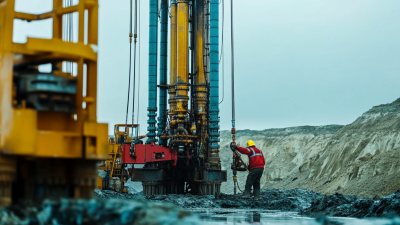
Leveraging Copper Alloy Die Castings to Enhance Efficiency in the Mining Industry: Insights from 2023 Market Analysis
In the mining industry, where reliability and durability are paramount, leveraging copper alloy die castings has emerged as a crucial strategy to enhance operational efficiency. The unique properties of copper alloys, especially their high resistance to extreme conditions, make them an indispensable choice for manufacturing mining machinery. They are designed to withstand not only high mechanical loads but also the harsh environments characterized by intense heat and exposure to corrosive chemicals.
The combination of zinc and tin in these alloys significantly elevates the performance of mining equipment. These materials provide exceptional strength while maintaining the necessary flexibility, which is vital for components operating under continuous stress. As the mining sector continues to evolve and face increasing demands, the adoption of copper alloy die castings enables companies to ensure their machinery can endure the rigors of mining operations.
The 2023 market analysis highlights the growing trend of incorporating advanced materials like copper alloys into mining applications, underlining their importance in driving efficiency and reducing maintenance costs. By investing in copper alloy castings, mining companies can not only enhance the reliability of their machinery but also improve overall productivity, ensuring they meet the challenges of modern mining more effectively.
FAQS
: Aluminium bronze is valued for its exceptional corrosion resistance, high strength, and fatigue characteristics, making it ideal for various applications in marine engineering, shipbuilding, and aerospace sectors.
3D printing allows for the creation of complex geometries that were previously impossible, reducing waste and improving material utilization, thereby optimizing production time and promoting sustainability.
Smart technology, such as real-time monitoring through IoT devices, enhances quality control and predictive maintenance, resulting in reduced production downtime and improved efficiency.
Using recyclable materials promotes sustainability in the casting process, aligning with global efforts to create a circular economy and reducing environmental impact.
Aluminium bronze is commonly used in components such as propellers, pumps, and valves that are exposed to harsh marine environments due to its corrosion resistance and mechanical strength.
Innovations like wire-arc additive manufacturing improve the production of aluminium bronze components, enhancing their properties and design flexibility, which increases efficiency and reduces waste.
The increasing recognition of aluminium bronze's unique properties, coupled with the growing demand in shipbuilding and aerospace sectors, is driving significant market growth.
Companies should conduct a thorough analysis of the environmental conditions the materials will face to ensure they meet performance standards and support sustainable marine operations.
The focus on sustainability is prompting more maritime engineers to explore composite materials alongside traditional alloys, leading to innovations that promote greener manufacturing practices.
Industries are anticipated to invest heavily in research and development to fully harness the potential of aluminium bronze, which will drive market growth and further technological advancements.
Conclusion
Hey there! So, I came across this blog titled "Innovative Applications of Aluminium Bronze Castings from Around the World," and honestly, it’s pretty fascinating. It dives into the latest trends and crazy advancements happening worldwide in aluminium bronze casting. What really caught my attention is how this versatile material is making waves in critical fields like marine engineering and shipbuilding — mainly because of its awesome resistance to corrosion and its strength. Pretty impressive, right? The blog also spreads the word about how aluminium bronze is being creatively used in the aerospace world, highlighting its lightweight nature and tough durability, which are kind of game-changers.
But it’s not just about tech progress — there’s a strong focus on sustainable practices too. It shows how the industry is moving towards more eco-friendly manufacturing, which is encouraging to see. Through some really engaging case studies, you can learn about successful projects where aluminium bronze castings were used and how they set industry standards. Looking ahead, the blog also talks about future innovations and the growing market opportunities for aluminium bronze — pretty exciting stuff! It all ties back to Shaanxi Brilliant Machinery Co., Ltd.'s mission of pushing for top-notch manufacturing with a focus on sustainability. Overall, a really insightful read that gives a good sense of where this industry is headed — definitely worth a check out!