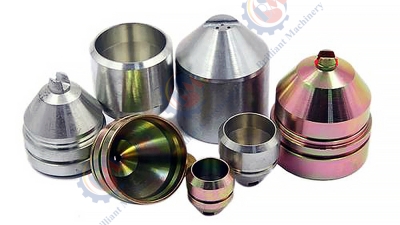
You know, sourcing high-quality Perforating Gun Shaped Chargesin the ever-changing Oil and Gas industry can be pretty tricky for buyers around the world. Navigating through all the different suppliers, making sure everything meets the technical specs, and keeping things sustainable can really feel like climbing a mountain sometimes. But here atShaanxi Brilliant Machinery Co., Ltd., we totally get those challenges. We’re all about setting the bar high when it comes to manufacturing excellence and making our customers happy. Our dedication to innovation and quality in producing mechanical parts—like Perforating Gun Shaped Charges—keeps us on our toes, ready to adapt to what our clients need. In this blog, we’ll dig into the main hurdles that global buyers face when trying to source these essential components and talk about some practical alternatives that could really improve procurement strategies while ensuring that operations stay reliable and efficient.
Challenges in Identifying Quality Standards for Perforating Gun Shaped Charges
So, when it comes to finding perforating gun shaped charges, buyers from around the world often hit some pretty big roadblocks—especially when it comes to figuring out quality standards. The thing is, there’s no one-size-fits-all approach here. Different manufacturers follow different quality certs, which just makes the whole purchasing thing a lot trickier. Each one might stick to their own set of rules and regulations, and that can lead to some pretty confusing inconsistencies in how these products perform and how safe they actually are. For buyers, this inconsistency can be a real headache. They’ve got to make sure that what they’re getting not only works for their specific operations but also meets the regulatory requirements of wherever they’re based.
On top of that, keeping a close eye on quality standards is even tougher because, let’s face it, perforating gun technology is complicated. Buyers are navigating this maze filled with technical jargon and a bunch of different performance metrics. If they misunderstand or misinterpret any of that, they might end up choosing a product that doesn’t cut it, which could really throw a wrench in their operational efficiency and safety. So, establishing a solid system for checking and confirming quality standards is a major obstacle for global buyers. It’s one that really calls for some thorough digging and a good grasp of what’s going on in the industry.
Challenges Faced by Global Buyers When Sourcing Best Perforating Gun Shaped Charges
Comparative Analysis of Production Costs for Global Sourcing of Shaped Charges
 When global buyers are on the hunt for the top perforating gun shaped charges, it's super important to get a grip on production costs across different regions. A recent report from MarketsandMarkets shows that the global market for shaped charges is expected to jump from about USD 1.5 billion in 2023 to USD 2.1 billion by 2028. That really outlines how competitive things are getting out there! If we take a closer look at production costs from big players in the U.S., Europe, and Asia, the differences are pretty striking.
U.S. manufacturers are often riding high on advanced tech and strict quality control, which can bump their costs up by as much as 30%. On the flip side, Asian suppliers usually offer cheaper prices because of lower labor costs and fewer regulations hanging over their heads.
Additionally, the research by IBISWorld indicates that the production costs for shaped charges can vary quite a bit, landing anywhere from USD 50 to USD 120 per unit based on the design complexity and materials used. For example, charges made with high-density polyethylene are generally pricier compared to those made with standard steel. This can be a deal-breaker for buyers who are trying to stretch their sourcing budgets.
So, when it comes to sourcing perforating gun shaped charges, global buyers really need to look beyond just the sticker price. They should think about the long-term effects related to quality and compliance with regulations, too.
Impact of Local Regulations on Sourcing Perforating Gun Shaped Charges
Sourcing perforating gun shaped charges? Yeah, that can be a real headache for global buyers, especially with all those local regulations to navigate. The International Association of Oil & Gas Producers has some staggering news: they predict the oil and gas industry will dish out around $500 billion on advanced drilling tech by 2025! Pretty wild, right? But here's the catch—regulations differ wildly from one country to another, which really complicates the whole procurement game. For example, in places like the EU, those tough environmental rules can make it tough for companies to find suppliers who are compliant. It’s like they’re stuck in a limbo, unable to tap into the latest tech and innovations.
And let’s not forget about the paperwork! Compliance with those local regulations often means tons of documentation and certification, which can eat up both time and money. A report from the Energy Information Administration even noted that about 30% of drilling project delays are due to regulatory hiccups. That’s a big deal! So, it really pays off to work with manufacturers like Shaanxi Brilliant Machinery Co., Ltd. They stick to international standards while keeping quality and sustainability in mind. By zeroing in on excellence and customer satisfaction, companies can better navigate these tricky regulatory waters. This way, they can score top-notch perforating gun shaped charges that not only meet local requirements but also help keep operations running smoothly.
Challenges Faced by Global Buyers When Sourcing Best Perforating Gun Shaped Charges - Impact of Local Regulations on Sourcing Perforating Gun Shaped Charges
| Challenge | Impact of Local Regulations | Potential Solutions |
| Regulatory Compliance | Varies by country, requiring extensive documentation | Conduct thorough research on local laws and employ local experts |
| Logistics and Shipping | Restrictions on transportation of hazardous materials | Choose experienced logistics partners familiar with regulations |
| Quality Assurance | Varied standards can complicate quality verification | Implement strict quality control processes and audits |
| Cost Variability | Local tariffs and taxes can increase final costs | Budget for potential extra costs and consider bulk orders |
| Safety Concerns | Strict safety regulations can delay processes | Ensure compliance with safety protocols during sourcing |
Evaluating Performance Metrics Across Different Manufacturers in Shaped Charges
Finding the best perforating gun shaped charges can be a bit of a minefield for global buyers. One major hurdle to jump over is figuring out how to evaluate performance metrics from different manufacturers. You know, a report from the Society of Petroleum Engineers pointed out that there can be some pretty big differences in performance from one supplier to another. This can really affect not just efficiency but also how much you're paying during operations. So, it’s super important to keep an eye on key metrics like penetration depth, charge efficiency, and reliability when you’re making those decisions. It’s worth noting that manufacturers aren't just different in terms of the tech they use; their testing methods can also lead to pretty varied performance results.
Quick Tip: If you want to get a good handle on how manufacturers stack up, consider running comparative tests that mimic actual field conditions. Trust me, seeing how they perform in the real world is often way more revealing than just looking at lab results.
Also, don’t forget about the specific geological conditions at your drilling site. The American Petroleum Institute really highlights that performance can change based on things like rock hardness and the presence of fluids. Picking a shaped charge that matches those geological factors can really boost your performance, cut costs, and keep downtime to a minimum.
Another Tip: Chatting with technical experts from different manufacturers can offer some valuable insights into how their products will do in your unique drilling conditions. Building those relationships can help you make smarter, more informed decisions that align with your goals.
Strategies to Mitigate Supply Chain Risks When Sourcing Perforating Gun Charges
Sourcing perforating gun shaped charges can be a real challenge, especially when you're dealing with global supply chains. Industry reports have shown that disruptions can throw a big wrench in the works, leading to delivery delays of up to 30%. That kind of impact can mess with your timelines and budgets, for sure. To tackle these issues head-on, it’s really important for buyers to build solid relationships with a variety of suppliers. Having a diverse supply base not only helps keep the materials flowing smoothly, but it also gives you a bit of leverage when it comes to negotiations. In fact, recent data from the World Petrochemical Market Analysis suggests that this approach could help shave off costs by about 10-15%!

On top of that, incorporating smart risk management strategies is key to navigating these tricky waters. For instance, using predictive analytics can give companies a leg up by helping them spot potential disruptions before they happen and tackle them proactively. A study from the Supply Chain Institute even found that firms leveraging these technologies can boost their supply chain resilience by as much as 25%. So, by weaving these strategies into their operations, global buyers can build a strong framework that not only reduces risks but also makes the whole process of sourcing perforating gun charges more efficient and reliable. That way, you’re not just keeping pace; you’re really gaining an edge in the market.
Unlocking Performance: The Impact of Super Deep Penetrating Shaped Charges on the H-1 Perforating Gun System
Unlocking Performance: The Impact of Super Deep Penetrating Shaped Charges on the H-1 Perforating Gun System
In the challenging landscape of oil and gas well perforation, the introduction of Super Deep Penetrating (SDP) Shaped Charges has marked a significant advancement in performance. Tailored specifically for the H-1 Perforating Gun System, these premium charges are engineered to deliver exceptional results even in the most demanding environments. With their unique design, the SDP charges ensure reliable perforation, facilitating enhanced hydrocarbon recovery in both conventional and unconventional formations.
The materials used in the construction of SDP charges play a crucial role in their effectiveness. Crafted from top-grade explosives and specialized metals, including high-strength steel and copper alloys, these charges are optimized for high-temperature and high-pressure situations. This meticulous selection of constituents translates into superior cutting capabilities, allowing for a seamless interaction with the geological formations encountered during drilling. As a result, operators can rely on SDP charges to meet the rigorous demands of their operations, unlocking performance and maximizing productivity.
FAQS
: Key performance metrics include penetration depth, charge efficiency, and overall reliability, which should guide buyers in their decision-making process.
Performance can differ significantly among suppliers due to variations in technology and testing protocols, leading to discrepancies in performance outcomes.
Conducting comparative tests using actual field conditions to measure performance metrics often provides better insights than standard lab results.
Performance may vary based on factors such as rock hardness and fluid presence; selecting charges that align with these geological variables can enhance performance.
Establishing strong relationships with multiple suppliers and diversifying the supply base can help ensure a steady flow of materials and provide leverage during negotiations.
Predictive analytics can help companies foresee potential disruptions and proactively address them, enhancing supply chain resilience by up to 25%.
Disruptions can lead to delays in product delivery by up to 30%, significantly impacting operational timelines and budgets.
Diversifying suppliers can provide leverage in negotiations, ultimately reducing costs by an estimated 10-15%.
Collaborating with technical experts from different manufacturers can provide insights into how products will perform under specific drilling conditions, leading to more informed decisions.
Buyers should prioritize understanding performance metrics, geological conditions, supplier relationships, and risk management strategies to enhance sourcing efficiency.