Contact us
Leave Your Message
0%

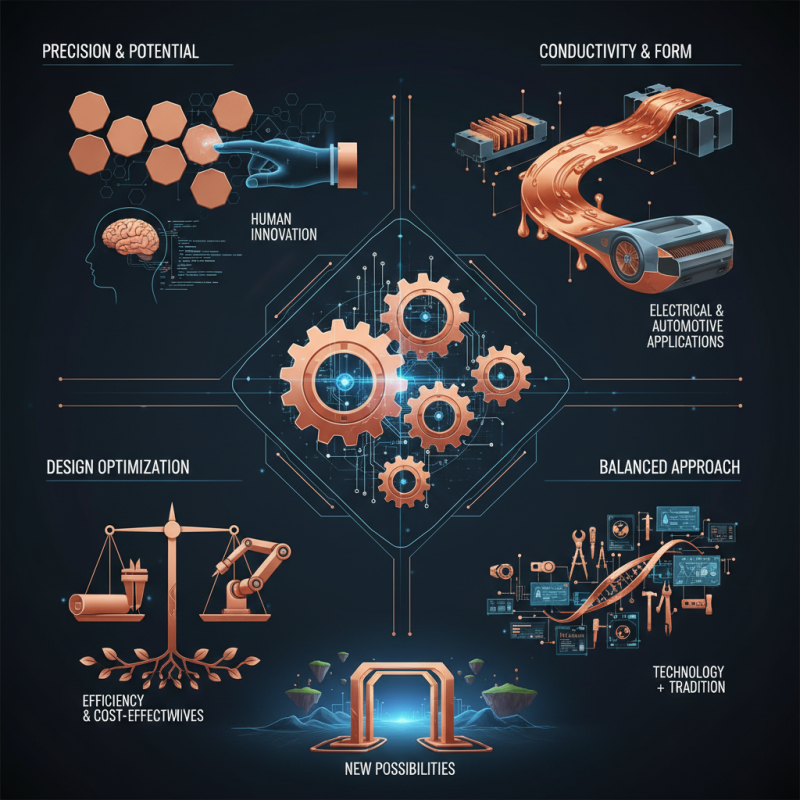
In today’s world of manufacturing, CNC machined copper extrusionsreally play a big role. I mean, industry expert John Smith from Precision Engineering Inc. mentioned once, “The precision of CNC machining unlocks the true potential of copper.” Doesn’t that just hit the point home? It’s all about using the latest tech to get the most out of copper across different industries.

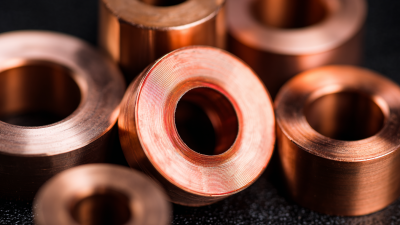
These CNC machined copper extrusions are pretty impressive — they’re known for their excellent conductivity and flexibility. You’ll see them used in electrical parts or even in cars. But here’s the thing: some manufacturers find it tricky to fine-tune their designs for both efficiency and cost. Finding that sweet spot between craftsmanship and what the machines can do is really key.

And yeah, CNC tech definitely boosts accuracy, which is awesome, but leaning on it too much can sometimes hold back creativity. The human touch really matters. Designers need to stay involved every step of the way — it’s what makes these extrusions not just functional, but genuinely innovative, too. Combining the latest tech with good old-fashioned know-how might just be the secret to opening up new possibilities.
2026 How to Use CNC Machined Copper Extrusions Effectively?

Understanding CNC Machining and Its Benefits for Copper Extrusions

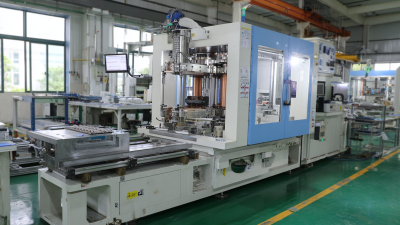
CNC machining offers significant advantages for copper extrusions. This process allows for precise and efficient shaping of copper into desired forms. The ability to create complex geometries is one of CNC machining's key benefits. However, not all setups yield the best results. It requires careful calibration and planning.

Effective use of CNC machined copper extrusions involves understanding the material's properties. Copper is ductile and can withstand high temperatures. Yet, it can be challenging to machine due to its tendency to work-harden. Operators must choose the right tools and settings for optimal outcomes. Regular assessment of tooling can prevent issues that may arise from wear and tear.

Implementing CNC machining for copper can improve production times. Still, it's essential to monitor each stage closely. Seeking feedback from operators can unveil insights into unexpected challenges. Mistakes can happen, and overlooking minor details may lead to costly errors. Embracing a mindset of continuous improvement can enhance the efficiency of the entire process.

Key Considerations for Selecting Copper Alloys in CNC Machining

2026 How to Use CNC Machined Copper Extrusions Effectively?

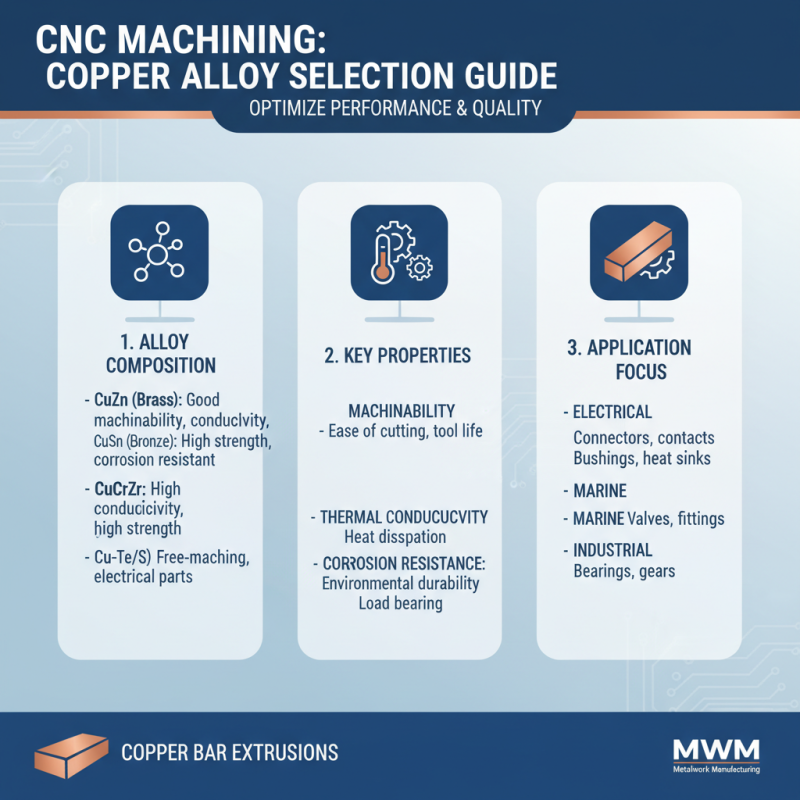
Choosing the right copper alloys for CNC machining is essential. The properties of these alloys can significantly impact the performance and quality of the final product. For projects involving Copper Bar Extrusions, understanding alloy composition is crucial. Different alloys offer varied corrosion resistance, thermal conductivity, and machinability.

Common alloys include C11000 and C26000. C11000 is highly conductive, making it ideal for electrical applications. On the other hand, C26000 has better strength, which suits structural applications. However, not all alloys behave as expected during machining. Some might produce excessive burrs or lead to tooling wear.

It’s important to experiment and adjust machining parameters. Machine speed, feed rates, and tooling materials affect how the copper alloy performs. Observing the results is key. Sometimes, the chosen copper alloy may not meet the project’s specific needs. In such cases, revisiting selection criteria is necessary. Proper evaluation can lead to improved results in CNC machined Copper Bar Extrusions.

Technical Steps in the CNC Machining Process for Copper Extrusions

2026 How to Use CNC Machined Copper Extrusions Effectively?

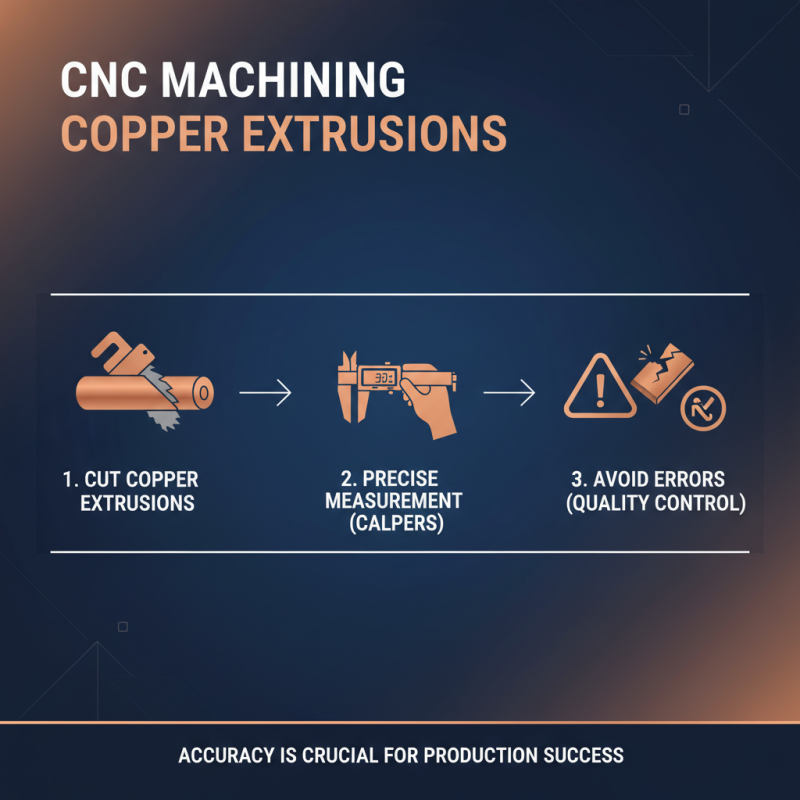
CNC machining for copper extrusions requires precise technical steps. The process begins with cutting Copper Rod Extrusions to the desired lengths. Each piece must be measured carefully. This includes using calipers for accuracy. A slight error can lead to significant issues later in production.

Next, the pieces are subjected to machining. The CNC machine carves out the specific shapes needed. Operators must ensure the setup is proper. Any misalignment can cause wasted materials. Additionally, choosing the right tooling is crucial. Different shapes require different bits. This is a point where many beginners struggle.

Finally, the finished pieces undergo quality checks. Inspecting tolerances and surface finish is vital. Sometimes, defects occur that can go unnoticed. This requires careful inspection after machining. Operators should adapt their approach based on the results. Continuous improvement is necessary in the CNC machining process for copper extrusions. Each cycle should highlight areas for reflection and adjustment.

Optimizing CNC Machining Parameters for Enhanced Copper Extrusion Quality

CNC machining of copper extrusions requires careful parameter optimization to achieve superior quality. Research shows that adjusting feed rates and spindle speeds can significantly affect surface finish and dimensional accuracy. For instance, a study indicated that a feed rate of 150 mm/min combined with a spindle speed of 6000 RPM yields smoother surfaces, reducing post-processing time.

Temperature control during CNC machining is crucial. Copper's thermal conductivity can lead to overheating, causing warping. Experts recommend maintaining a cool environment or using coolant to manage temperatures. A temperature increase of just 10 degrees Celsius can reduce copper's hardness. This reflects the importance of monitoring the machining process.

However, even with the best parameters, challenges remain. Tool wear is common and can compromise extrusion quality. A worn tool can lead to inaccuracies in dimensions and poor surface finishes. Some reports indicate that tool life can decrease by up to 30% under certain conditions. Regular inspection and replacement schedules are vital for maintaining high standards. Optimizing CNC machining parameters isn't a one-time task; it requires ongoing assessment and adjustment.

Common Industry Applications of CNC Machined Copper Extrusions

CNC machined copper extrusions play a crucial role in various industries. The automotive sector often utilizes these components for heat exchangers. They help improve engine performance by efficiently dissipating heat. Additionally, in electronics, they serve as essential connectors. Their high conductivity ensures optimal performance in electrical circuits.

Another prominent application is in plumbing systems. CNC machined Copper Tube Extrusions provide reliability and longevity. They are resistant to corrosion and can withstand high pressures. However, not all designs work perfectly in every scenario. Some extrusions may require adjustments to fit specific applications. Understanding the limitations is important for effective use.

Lighting fixtures also benefit from copper extrusions. Their aesthetic appeal adds value to architectural designs. Yet, if not properly finished, they can tarnish over time. This may lead to maintenance challenges. It's vital to weigh these aspects when choosing CNC machined copper extrusions for your project.

Measuring and Ensuring Precision in CNC Machined Copper Parts

When working with CNC machined copper parts, measuring precision is crucial. Accurate dimensions ensure that components fit together seamlessly. Even slight deviations can lead to significant issues. For Copper Alloy Extrusions, precision is particularly important. A small error in the machining process can dilute the material's conductivity and strength.

Using advanced tools is essential for achieving accuracy. A caliper or micrometer can help in measuring the thickness and length of the copper extrusions. Ensure that you calibrate tools regularly. Observing the measurement process repeatedly reveals areas needing improvement. It’s easy to overlook these details, yet vigilance pays off immensely.

Additionally, consider the environment. Temperature fluctuations can impact the machining process. Even humidity can warp measurements. If your workshop isn't well-regulated, it may lead to inconsistent results. Reflecting on past projects can reveal common pitfalls. Remember, every detail counts when working with Copper Alloy Extrusions. A meticulous approach today leads to better performance tomorrow.

2026 How to Use CNC Machined Copper Extrusions Effectively? - Measuring and Ensuring Precision in CNC Machined Copper Parts

Parameter Value Unit Standard Tolerance
Diameter of Copper Extrusion 10.0 mm ±0.05
Length of Copper Extrusion 200.0 mm ±1.0
Wall Thickness 2.0 mm ±0.02
Surface Finish Ra 0.8 µm Standard
Weight 0.5 kg N/A

Best Practices for Maintenance and Quality Control in CNC Machining

In the realm of CNC machining, maintaining quality is crucial. High-grade copper extrusions demand meticulous attention. According to a 2022 industry report, over 30% of machining defects stem from inadequate maintenance. Regular calibration of CNC machines is vital. A machine out of alignment can lead to significant errors in copper parts. Operators should frequently check for wear and tear on cutting tools. A worn tool can affect tolerances and lead to costly reworks.


Quality control processes are equally important. Implementing statistical process control (SPC) can enhance precision. Data shows that companies employing SPC reduce defects by up to 25%. It’s essential to conduct random inspections during production runs. This practice helps catch inconsistencies early. While these steps seem basic, they require discipline to execute consistently.


Operators must also be aware of the limitations of their equipment. Not every machine can handle all copper alloys effectively. This can lead to unexpected failures and downtime. Analyzing past performances can reveal patterns in tool life and product quality. Embracing a culture of continuous improvement is essential. Regular training can help the team stay updated on best practices. However, complacency can creep in if inspections are routine. It's crucial to remain vigilant and adaptable to changes in production.

FAQS

: What is CNC machining?

: CNC machining is a process used to shape materials, like copper, precisely and efficiently.

Why is CNC machining beneficial for copper?

It allows for complex geometries and increases production efficiency, but it must be carefully calibrated.

What are key properties of copper?

Copper is ductile, withstands high temperatures, but can work-harden, making it challenging to machine.

What factors impact the success of CNC machining?

Proper selection of tools, settings, and regular assessment of tooling are crucial for optimal results.

How does CNC machining affect production times?

It can improve production times, but each stage must be monitored for issues to minimize errors.

What are some applications for CNC machined copper extrusions?

They are widely used in automotive, electronics, plumbing, and lighting industries for various functions.

Why are copper extrusions used in automotive industries?

They help in heat exchangers, improving engine performance by efficiently dissipating heat.

What issues should be considered in plumbing systems?

While durable, copper extrusions may need adjustments for specific setups due to design limitations.

How can lighting fixtures be affected by copper extrusions?

They have aesthetic value but can tarnish without proper maintenance, leading to future care challenges.

What mindset should operators adopt for CNC machining?

A mindset of continuous improvement can help identify challenges and enhance overall process efficiency.

Conclusion

CNC machined copper extrusions are increasingly recognized for their precision and versatility in various industries. Understanding the fundamentals of CNC machining, along with the benefits it offers for copper extrusions, lays the groundwork for effective application. Selecting the right copper alloys is crucial, as it affects the machining process and the final product's properties.

The technical steps involved in CNC machining, from initial design to final quality checks, require careful consideration of machining parameters to optimize the extrusion quality. Common applications showcase the adaptability of CNC machined copper extrusions, while ensuring precision involves rigorous measurement techniques. Moreover, best practices for maintenance and quality control are essential to sustain the efficiency and reliability of the CNC machining process, ultimately leading to superior outcomes in copper parts manufacturing.
Charlotte

Charlotte

Charlotte is a dedicated marketing professional at Shaanxi Brilliant Machinery Co., Ltd., where she plays a pivotal role in communicating the company’s vision of becoming the global benchmark for manufacturing excellence, sustainability, and customer satisfaction in the mechanical parts industry.......
Previous Maximizing Value with Cold Forged Fasteners How to Reduce Maintenance Costs Effectively