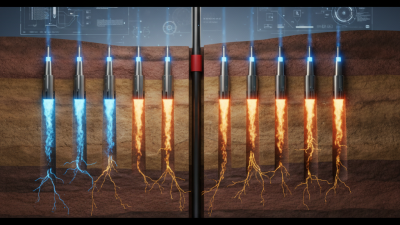
Gas Well Perforation Charges are really a big deal in the oil and gas world. If you want to get things flowing smoothly, you gotta understand how they work. Basically, these charges help create the path for gas to move inside the well. Getting perforation right isn’t just a technical step – it’s a huge part of making sure everything runs efficiently and cost-effectively.
Now, there are different kinds of perforation charges out there. Each one has its own pros and cons. Some might punch through rock faster, while others are easier on the wallet. Picking the right charge isn’t just about price, though – it’s about what fits your needs and what will help maximize production. It’s definitely a decision that needs some careful thought and expertise.
In this article, we’re going to take a closer look at the top seven gas well perforation charges. We’ll talk about what they’re used for, their advantages, and any potential downsides. Every type has its own set of challenges, so understanding those can really help you make smarter choices during operations. Ultimately, a bit of knowledge here can lead to better results and more efficient gas production.
Overview of Gas Well Perforation and Its Importance
Gas well perforation is a crucial process in the extraction of natural gas. This technique involves creating holes in the casing of a well to enhance the flow of gas from underground formations. According to a 2021 report by the U.S. Energy Information Administration, proper perforation can increase gas recovery rates by up to 30%. This improvement is vital, considering the increasing demand for natural gas in energy production globally.
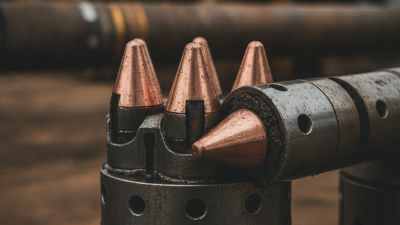
Understanding the different types of perforation charges is essential for optimizing well performance. Perforation charges can vary in shape and size, and each type serves a specific purpose. For instance, Shaped Charges create focused energy to penetrate more effectively. There is a growing trend toward using more advanced perforation techniques that can lead to reducing damage to the reservoir. However, not all methods guarantee success, and careful consideration is necessary to select the best option.
When planning perforation, consider the well environment. Factors such as rock type and pressure regime can significantly influence outcomes. Always conduct thorough testing to minimize risks. Avoid common pitfalls, like assuming one method fits all situations. Experimentation and adaptation are key. Engage with experts who have hands-on experience and stay updated with the latest industry trends and technological advancements.
Types of Perforation Charges Used in Gas Wells
Gas well perforation is a critical process in enhancing oil and gas extraction. Various types of perforation charges play a significant role in this process. Understanding them can help optimize production.
There are primarily three types of perforation charges: shaped charges, jet perforators, and bullet perforators. Shaped charges are the most popular. They create holes with minimal damage to the surrounding rock. Jet perforators utilize high-pressure jets to cut through the casing, maintaining the integrity of the wellbore. Bullet perforators, though less common, use kinetic energy to create perforations. Each type has its advantages and specific use cases.
Selecting the right type is vital for maximizing efficiency. Factors like formation type and well depth influence this choice. Workers often encounter challenges when dealing with different rock formations. Sometimes, the chosen method may produce suboptimal outcomes. Proper analysis is essential for minimizing these mistakes. Understanding Economical Well Perforation Charges can lead to better decision-making in the field. Emphasizing the correct techniques ensures longevity and profitability in gas well operations.
Top 7 Gas Well Perforation Charges You Need to Know
Key Factors Influencing Perforation Charge Selection
When selecting perforation charges for gas wells, several key factors come into play. The depth of the well is crucial. Deeper wells often require heavier charges to create effective perforations. The type of formation also significantly influences the decision. Harder formations typically necessitate different charges than softer ones. Understanding the geological characteristics is essential for optimizing performance.
Another important aspect is the desired flow rate. A higher flow rate may require specific perforation designs. The production environment can further complicate the selection process. For example, the presence of fluids or gases can change how perforation charges behave. Operators must balance performance with safety and efficiency.
While experience can guide the selection, it's not foolproof. Some unforeseen variables can affect the outcomes. For instance, unexpected changes in formation pressure can lead to suboptimal results. Continuous evaluation and adjustment are essential. This adaptability often distinguishes successful projects from those that struggle to meet targets. Engaging with industry experts and leveraging historical data can aid in making informed decisions.
Top 7 Gas Well Perforation Charges You Need to Know
| Perforation Charge Type | Diameter (inches) | Application Depth (ft) | Explosive Weight (grams) | Typical Use Case |
| Conventional Perforation Charge | 0.375 | 5,000 | 10-15 | Standard reservoirs |
| Laser Perforation Charge | 0.5 | 8,000 | 20-30 | Deep zones |
| Geothermal Perforation Charge | 0.625 | 7,000 | 25-35 | Geothermal wells |
| Acid Perforation Charge | 0.75 | 6,000 | 30-40 | Acidizing operations |
| Tubing Conveyed Perforation Charge | 0.4 | 4,500 | 15-20 | Increased penetration |
| Multilateral Perforation Charge | 0.5 | 6,500 | 15-25 | Multiple branches |
| Deep-water Perforation Charge | 0.6 | 10,000 | 40-50 | Deep-water wells |
Advantages of Different Perforation Charge Designs
In the world of gas well perforation, choosing the right perforation charge design is crucial. Different designs offer unique advantages that can impact production rates and efficiency. The primary goal is to optimize flow and minimize damage to the reservoir. Understanding the intricacies of Well Completion Shaped Charges can lead to better decision-making in the field.
For instance, laser-guided shaped charges provide precise penetration. This accuracy reduces damage to surrounding formations, enhancing overall production. Meanwhile, large-diameter charges can create wider tunnels for fluid flow, increasing the reservoir's access. However, these options may lead to different challenges. Not every design is suitable for every well condition, and inappropriate use can hinder performance.
Balancing the benefits and drawbacks of each design is essential. Factors such as reservoir type, expected pressure, and surrounding rock properties must be considered. As technology advances, ongoing evaluation of Well Completion Shaped Charges becomes vital. A well-informed choice can maximize output and contribute to a more sustainable operation.
Safety Considerations During Perforation Operations
Safety in perforation operations is paramount. Operators must understand the risks involved when working with gas well perforation charges. The proper handling and usage of these charges can prevent accidents. Adequate training and adherence to safety protocols are essential. At every stage, communication between team members fosters a safer work environment.
Tip: Always conduct a thorough risk assessment before starting any perforation work. Check all equipment, and ensure that people are positioned in safe zones.
When dealing with perforation charges, awareness of immediate surroundings is critical. Each site has unique hazards, such as nearby structures or personnel. Continuous monitoring during operations can help detect potential issues early. Review safety measures consistently and adapt as necessary.
Tip: Regularly update safety protocols to remain compliant with industry regulations. Incorporate lessons learned from previous operations to enhance safety standards.
During operations, always have an emergency plan in place. Ensure all team members know their roles and responsibilities. Drills can prepare everyone for unexpected situations. Building a culture of safety can reduce the likelihood of incidents.
Tip: Invest time in making your team familiar with Low-Cost Oil Well Perforating Charges. Their knowledge can significantly improve safety awareness.
Common Challenges in Gas Well Perforation
Gas well perforation poses various challenges that operators must navigate. One significant issue is ensuring consistent charge placement. Charges must penetrate various rock formations. Inconsistencies can lead to uneven flow and reduced production rates. Accurate placement requires skilled technicians and advanced technology. Missteps here can result in costly repairs and inefficiencies.
Another challenge is managing wellbore stability during perforation. Inadequate pressure control can cause blowouts. This situation not only endangers workers but also increases operational costs. Regular assessments of wellbore conditions are necessary. This includes monitoring fluid pressures and rock integrity before and during the process.
Lastly, understanding the formation's heterogeneity is vital. Differences in rock types can affect the effectiveness of perforation charges. Operators often face unexpected results due to these variations. This unpredictability necessitates continuous adaptation and learning within teams. Keeping track of historical data helps mitigate these issues.
Future Trends in Perforation Charge Technology
Perforation charge technology in gas wells is evolving rapidly. Innovative materials and designs are shaping the future. Advanced perforation charges offer enhanced penetration capabilities and improved oil and gas recovery rates. Understanding these new developments is crucial for staying competitive in the industry.
Oil And Gas Perforating Charges are now incorporating smart technologies. These advancements include sensors that provide real-time data. This data helps in making quick adjustments during perforation. However, integrating such technology can be challenging. Not all teams have the expertise to utilize these innovations fully.
When choosing perforation charges, consider the rock formation. Each formation has unique characteristics. The right charge can make all the difference in performance. Some operators may overlook crucial factors like hole quality and fragmentation. These can impact production significantly. Investing in training can enhance understanding and application of new technologies in perforation.
Conclusion
Gas Well Perforation Charges play a critical role in optimizing the extraction of gas from underground reservoirs. Understanding the various types of perforation charges, including their designs and applications, is essential for ensuring efficient well completion and maximizing production rates. Key factors influencing the selection of perforation charges include the geological characteristics of the reservoir, the desired flow rates, and the overall operational goals.
Safety is paramount during perforation operations, as the process entails inherent risks that must be managed effectively. Common challenges include issues like wellbore stability and damage to surrounding formations. As technology advances, future trends in perforation charge technology are expected to enhance performance and safety, ultimately leading to more efficient and environmentally responsible gas extraction practices. This overview underscores the significance of Gas Well Perforation Charges in the petroleum industry and their impact on resource management.