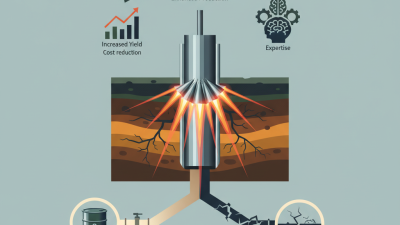
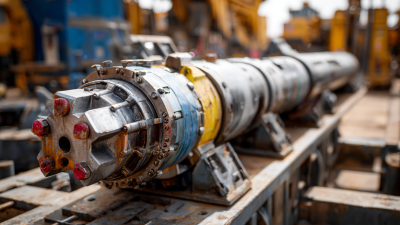
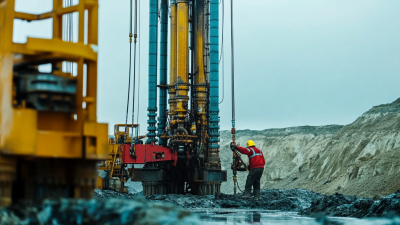
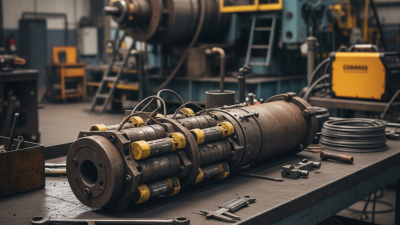
In the Oil and Gas world, both efficiency and safety are super important — you really can’t mess around there. I was reading what Dr. John Anderson says, and he points out that effective techniques are key. He specifically mentioned thatDownhole Shaped Charges play a huge role in making sure wells perform at their best. Basically, these charges help create precise perforations in the well casing, which boosts how much oil and gas we can extract.
Now, these Downhole Shaped Charges aren’t one-size-fits-all. They come in different designs, tailored to match specific geological conditions. Choosing the right one can really make a difference in how much oil or gas you get out of a well. On the flip side, picking the wrong type could lead to inefficiencies and actually end up costing more money. That’s why it’s so crucial to understand what each well needs.
There are quite a few options on the market when it comes to these charges. But, it’s not just about picking one — you’ve got to look closely at guidelines and technical specs. Jumping to conclusions or misunderstanding the details can lead to less-than-great results. It’s a good idea to explore the top five types out there to get a clearer picture of what works best. And honestly, investing in research and development is key — it helps us keep improving and staying ahead in the game.
Overview of Downhole Shaped Charges in Oil and Gas Industry
Downhole shaped charges play a vital role in the oil and gas industry. These devices are essential for creating perforations in the well casing, allowing oil and gas to flow more freely. According to the Society of Petroleum Engineers, effective downhole perforating can improve production rates by up to 30% in certain formations. The precision of these charges directly impacts the efficiency of hydrocarbon extraction.
The design of downhole charged devices has evolved significantly. Recent trends focus on optimizing charge design for specific geological conditions. For instance, shaped charges can be tailored to different rock formations, enhancing penetration capabilities. This customization can lead to reduced operational costs and increased recovery rates. However, not all fields may see the same benefits, as geological variations can affect performance. In some cases, traditional methods might still outperform newer technologies, indicating that constant evaluation is necessary.
Operators must consider the reliability of downhole perforating systems. While many report high success rates, failures can occur due to manufacturing defects or unforeseen formation characteristics. Holistic approaches to well planning and real-time monitoring can mitigate risks associated with perforation. Continuous innovation and risk assessment are crucial for maximizing output while minimizing undesirable outcomes.
Importance of Shaped Charges in Well Stimulation
Downhole shaped charges play a crucial role in well stimulation within the oil and gas industry. These specialized tools create precise fractures in the rock formations, enhancing fluid flow to the well. This process allows for better extraction of hydrocarbons, significantly impacting production efficiency. However, the effectiveness of shaped charges relies on various factors, including their design, material, and placement.
Understanding the importance of tailored shaped charges can lead to improved results. Each type of charge has unique characteristics suited for different geological conditions. For instance, some charges are designed for soft formations, while others excel in harder rock. This customization ensures that the optimal energy is delivered to fracture the rock efficiently.
Consider monitoring environmental conditions during the charging process. Temperature fluctuations can affect the performance of the shaped charge. Additionally, effective communication among the drilling team is vital to ensure precise placement and timing. Miscalculations can lead to subpar results or even operational complications. Continuous training and feedback also help refine techniques and improve overall outcomes in well stimulation.
Top 5 Downhole Shaped Charges for Oil and Gas Industry
| Type of Shaped Charge | Diameter (inches) | Explosive Weight (grams) | Penetration Depth (feet) | Applications |
| Standard Shaped Charge | 3 | 150 | 60 | General well stimulation |
| High-Efficiency Shaped Charge | 4 | 200 | 80 | Deep well applications |
| Multi-Shot Shaped Charge | 3.5 | 175 | 75 | Increases net penetration |
| Tapered Shaped Charge | 2.5 | 120 | 50 | Mature reservoirs |
| Conical Shaped Charge | 5 | 250 | 100 | Complex geological formations |
Criteria for Selecting Downhole Shaped Charges
When selecting downhole shaped charges, various criteria come into play. Understanding these factors is crucial for optimizing performance in the oil and gas industry. First, consider the charge type—cylindrical or conical. Each offers unique penetration capabilities. Assessing the rock type and well conditions is necessary. Different formations will respond differently to specific charges.
Another important criterion is the energy of the charge. High-energy charges create more fractures. Yet, they can also lead to unwanted damage. Evaluate the risk versus the benefit. Sometimes, a lower energy charge might yield better results.
Tips: Always review case studies. This can reveal real-world performance and help in decision-making. Collaborate with engineers for insights on specific projects. Engage regularly with industry experts. Their input can guide crucial choices.
Focus on safety measures when handling shaped charges. Proper training is vital to prevent accidents. Downhole operations demand precision, and even small mistakes can have serious consequences. Prioritize selecting reliable equipment to ensure a successful operation.
Top Five Downhole Shaped Charges Currently in Use
In the oil and gas industry, downhole shaped charges are essential for effective well perforation. These devices utilize explosive engineering to create pathways in the rock. This technology allows operators to access hydrocarbon reservoirs efficiently. Current reports indicate that shaped charges can improve recovery rates by up to 25%.
The top five types of downhole shaped charges in use today include solid charges, hollow charges, and wireline-deployed systems. Solid shaped charges are particularly popular due to their reliability and effectiveness in various formations. Hollow charges, on the other hand, are designed for specific applications, offering targeted penetration. Various reports also suggest that hybrid systems are gaining traction, combining the advantages of different technologies for improved results.
It's vital to understand the effectiveness of these charges in different settings. Proper evaluation of geological conditions can enhance performance. Operators should also consider the environmental impacts of their choices. Failure to assess these factors might lead to suboptimal results. In practical applications, teams should regularly test downhole charges to ensure optimal performance. Regular testing leads to better decision-making and improved yield. The importance of maintaining high standards in charge selection cannot be overstated.
Comparative Advantages of Each Shaped Charge Type
In the oil and gas industry, downhole shaped charges play a crucial role in enhancing recovery rates during perforation. Each type of shaped charge has its unique design and function, which contribute to its effectiveness. For instance, the conventional shaped charge is known for creating an optimal jet of hot gases, achieving a penetration depth of about 80 to 90 percent of its diameter. This penetration is pivotal in forming efficient pathways for oil flow.
An emerging option is the hollow-point charge. It offers an increased focus of energy, creating more controlled perforations. Reports suggest that these charges can improve production rates by 30% when compared to standard options. This is particularly relevant in reservoirs with lower permeability. Another factor to consider is the variable sizes available. Different shapes allow operators to adapt to various geological conditions.
On the downside, while directional charges may enhance precision, their complex deployment often requires specialized training and tools. Additionally, the expense of acquiring and utilizing advanced Downhole Charge Solutions can be a challenge for small operators. As companies balance efficacy and cost, understanding these comparative advantages becomes essential for making informed decisions in a competitive market.
Safety Considerations and Best Practices in Using Shaped Charges
Using shaped charges in the oil and gas industry involves more than just technical considerations. Safety must always be a priority. Workers must be trained to handle these powerful tools correctly. A lack of understanding can lead to catastrophic results. Training should emphasize the importance of maintaining a safe distance from the blast zone. Miscalculations can have dire consequences, making thorough preparation critical.
Proper storage of Downhole Perforating Tools is essential. They should be kept in a secure, segregated area to prevent accidental activation. Regular inspections are necessary to identify any signs of wear or damage. Workers should follow established protocols for transportation and handling. Any deviation from these guidelines increases risk. Contingency plans must be in place to respond to potential accidents. An emergency response team should be well-versed in dealing with explosive materials.
Communication among team members is vital. Clear signage and warnings can help prevent incidents. Everyone on-site must understand their role in ensuring safety. It’s easy to overlook small details in fast-paced environments. However, these details can be the difference between safety and disaster. Always prioritize safety when using downhole perforating tools. It’s not just about getting the job done; it’s about protecting lives.
Future Trends in Downhole Shaped Charge Technology
The oil and gas industry continuously seeks innovative solutions to enhance drilling efficiency and safety. One promising area is downhole shaped charge technology. As this sector evolves, several trends are emerging that could reshape its future. One notable trend is the integration of smart technology into shaped charges. Intelligent sensors can provide real-time data during operations, allowing for adjustments that improve performance and reduce risks.
Another significant trend is the shift towards eco-friendly materials in charge manufacturing. Traditional materials often pose environmental concerns. Companies are exploring biodegradable options that maintain effectiveness while minimizing ecological impact. This shift reflects a growing awareness of sustainability within the industry.
Additionally, advancements in 3D printing are transforming the production process. Custom-shaped charges can be produced with precision and tailored to specific well conditions. This flexibility is essential for optimizing performance. However, this technology still faces challenges, such as material limitations and cost-effectiveness. As companies tackle these issues, the potential for downhole shaped charges to advance further remains substantial.
Innovative Applications and Benefits of Special-shaped Copper Extrusions in Industrial Manufacturing
Special-shaped copper extrusions play a crucial role in industrial manufacturing, providing essential components for sectors that demand high-performance and durable conductive parts. These extrusions are engineered to meet the specific requirements of industries such as machinery, automotive, and electronics, ensuring that they possess superior electrical conductivity and mechanical toughness. This makes them ideal for environments where reliability and efficiency are paramount.
One of the significant advantages of special-shaped copper extrusions is their customizability. Manufacturers can design these extrusions to specific shapes and profiles, facilitating seamless integration into various machinery. This adaptability not only enhances the overall functionality of the equipment but also promotes efficiency in the manufacturing process. With enhanced abrasion resistance, these copper extrusions can withstand demanding conditions, thereby extending the lifespan of the parts and reducing maintenance needs. As industries continue to innovate, the implementation of special-shaped copper extrusions will be critical in supporting advancements in technology and production capabilities.
FAQS
: Consider the charge type and rock formation. Each type has unique penetration capabilities.
High-energy charges create fractures but may cause damage. Weigh risks against benefits carefully.
Proper training prevents accidents. Small mistakes in handling can lead to serious consequences.
Conventional charges create optimal jets, while hollow-point charges focus energy better. Different sizes adapt to geology.
Workers should know safe distances from blasts. Regular inspections of tools are also essential.
They offer insights into real-world performance. Learning from past projects can guide better decisions.
Yes, advanced charges can be expensive. Small operators may struggle with these costs.
Clear communication reduces risks. Team members must understand their roles and follow safety protocols.
Have contingency plans. An emergency team should be prepared for explosive material incidents.
Regular inspections are crucial. This identifies wear and prevents accidental activation.
Conclusion
Downhole shaped charges play a critical role in the oil and gas industry by enhancing well stimulation and improving hydrocarbon recovery. These specialized devices are designed to create targeted perforations in well casings, allowing for more efficient fluid flow and increased production rates. When selecting downhole shaped charges, factors such as charge geometry, performance characteristics, and well conditions must be considered to ensure optimal results.
The article discusses the top five types of downhole shaped charges currently in use, highlighting their comparative advantages, including efficiency, reliability, and performance in various geological settings. Additionally, safety considerations and best practices for handling and deploying these devices are essential to mitigate risks during operations. As technology evolves, future trends indicate advancements in the design and application of downhole shaped charges, promising further enhancement of their effectiveness in the oil and gas sector.