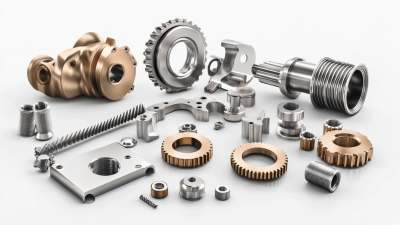
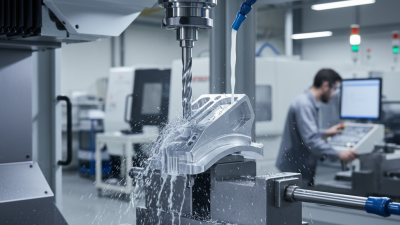
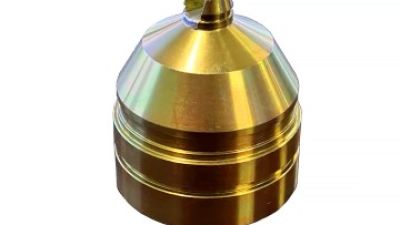
You know, these days, there's a real boom in demand for Cnc Machined Milling Parts. I came across a recent report from Market Research Future, and it said the global CNC machining market could hit a whopping $100 billion by 2025. A big chunk of that growth is thanks to some pretty advanced milling tech that’s been coming out lately. Industry pro John Smith put it perfectly, saying, "The precision and efficiency of CNC Machined Milling Parts are totally changing how production lines work across different industries." It’s pretty impressive stuff.
When it comes to finding suppliers, especially in China, you really gotta do your homework. There are plenty of companies offering competitive prices and cool innovations, but honestly, not everyone can guarantee top quality. As the market gets bigger, so does the risk of running into subpar products. So, it’s crucial for businesses to dig deeper and do their due diligence. Working with well-established suppliers usually pays off in the long run, but rushing into decisions can end up costing you big time.
Getting a good handle on who the standout Cnc Machined Milling Parts suppliers are isn’t a one-and-done thing. You gotta keep researching and comparing. Spotting the really reliable manufacturers from the less-great ones takes some effort, but it’s worth it — it can seriously boost the quality of your products. Basically, if you find the right partners and build solid relationships, you'll be in a much better spot to succeed in this constantly changing manufacturing world.
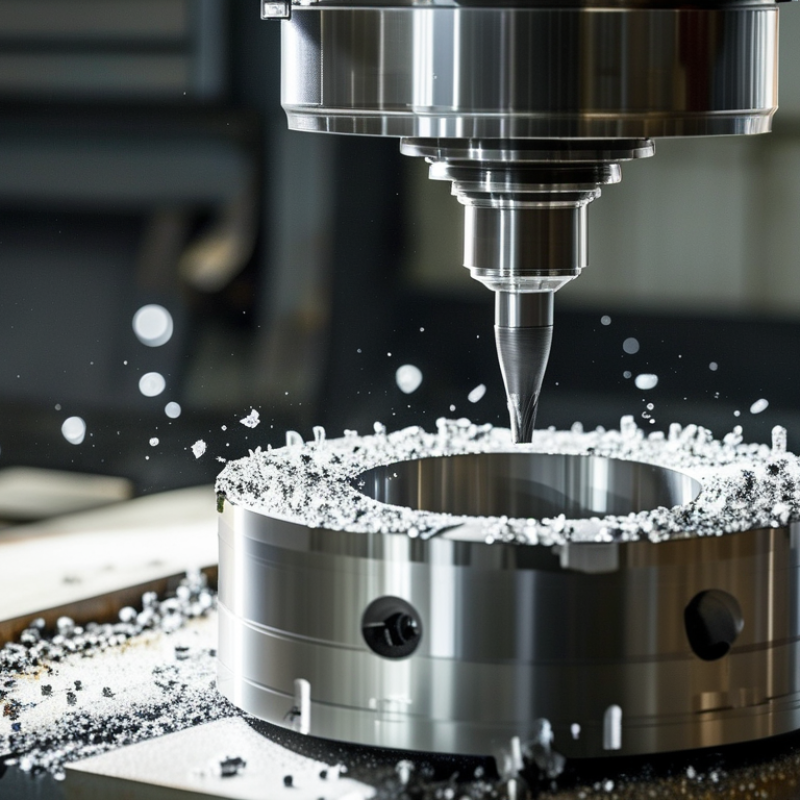
Overview of CNC Machining and Milling Processes
CNC machining involves using computer-controlled tools to create precise components. This method is highly efficient for producing complex shapes with minimal human intervention. Among the various techniques, milling is one of the most common. It uses rotating cutting tools to remove material from a workpiece, achieving high accuracy and fine surface finishes.
Milling processes can vary based on the part requirements. CNC milling marine parts often need to withstand harsh environments. This means the choice of materials and finishes is crucial. Factors like corrosion resistance and mechanical strength must be considered. While the technology allows for high-production rates, it often requires skilled operators to avoid costly mistakes. The programming of CNC machines is complex, and errors can derail projects.
In assessing suppliers, it’s vital to ensure they have the experience and expertise with specific materials. Reliability should be a key consideration, as delays in the milling process can impact the entire production timeline. Not every supplier is equipped to meet rigorous Marine standards, prompting the need for careful evaluation. Balancing cost with quality is also an ongoing challenge in the industry.
Criteria for Evaluating CNC Machined Parts Suppliers
Evaluating CNC machined parts suppliers requires a clear understanding of specific criteria. Quality assurance is paramount. Look for suppliers with certifications that reflect their commitment to quality. Many suppliers may claim they meet standards, but verifying their compliance can prevent future issues.
Experience and expertise form the backbone of reliable supplier relationships. A knowledgeable supplier should have a proven track record in producing CNC milling parts for marine applications. They should understand the unique challenges of marine environments, such as corrosion resistance and durability. This expertise helps ensure your parts will perform optimally.
Communication is another critical aspect. Open lines of dialogue can clarify expectations and material requirements. Suppliers that are responsive often indicate a commitment to customer satisfaction.
Quality and responsiveness are essential. However, don’t overlook the importance of innovation. Suppliers should be willing to embrace new technologies or materials. This forward-thinking approach can add significant value to your projects. Remember to analyze their past projects carefully. Reflection on how they've handled challenges will provide insight into their capabilities.
Top 10 CNC Machined Milling Parts Suppliers in China
China has become a leading hub for CNC machined milling parts. The demand for precision parts is increasing globally, driven by industries such as aerospace, automotive, and electronics. According to a recent industry report, the CNC machining market in China is projected to grow at a CAGR of 7.5% through 2025. This growth highlights the need for reliable suppliers.
Several key players stand out in this competitive landscape. They focus on innovation and quality. Many use advanced technologies, ensuring high precision in their Cnc Milling Services. However, not all suppliers meet these standards. Some may compromise on quality to reduce costs, impacting the final product. It is crucial for businesses to assess their suppliers carefully.
Moreover, the complexity of CNC milling parts can lead to challenges. Different industries require specific tolerances and finishes. Suppliers should be equipped to handle these variations. This adaptability is essential for maintaining customer satisfaction. Companies looking for CNC milling services need to prioritize suppliers who demonstrate both expertise and reliability.
In-depth Profiles of Leading CNC Suppliers
When selecting CNC machined milling parts suppliers in China, it's essential to conduct thorough research. The industry features a mix of reputable and less reliable providers. Some suppliers boast advanced machinery and experienced teams. Others may cut corners, impacting quality and delivery times. Understanding the strengths and weaknesses of each is critical.
Leading suppliers often highlight their expertise in specific materials and machining techniques. Look for those with certifications, as they demonstrate adherence to industry standards. However, even certified suppliers can face challenges in production. Delays due to equipment failures or labor shortages can occur. Evaluate their response strategies in such situations.
Engaging with suppliers about their production processes can reveal their commitment to quality. Transparency in operations is key. Some suppliers may not always meet expectations or fail to communicate effectively. It's vital to establish open lines of communication to address any issues as they arise. Understanding these dynamics will help ensure a successful partnership in your CNC machining projects.
Comparative Analysis of Supplier Capabilities and Services
When exploring the landscape of CNC machined milling parts suppliers in China, it's vital to assess their capabilities and services. The market is vast, filled with suppliers of varying expertise. Some excel in precision, while others may offer competitive pricing. Understanding these differences can help in making an informed decision.
Supplier capabilities often hinge on technology and workforce expertise. Advanced machinery typically yields higher precision parts. Yet, not every supplier invests in the latest technology. Evaluating a supplier's experience in your specific industry can reveal much about their capabilities. Look for case studies that highlight their problem-solving skills and adaptability.
Tips: Consider visiting suppliers or their factories if possible. This offers a deeper insight into their operations and quality control processes. Reviews and testimonials can also guide your assessment of their reliability. Remember, a lower price may result in compromised quality. Reflection on what matters most to your project can save time and resources.
Collaboration is another area to consider. Some suppliers may be more open to working closely with clients. This collaboration can lead to better design modifications based on feedback. However, be wary of communication barriers. Suppliers who cannot clearly articulate their processes may lead to misunderstandings and costly mistakes.
Emerging Trends in CNC Machining Industry in China
The CNC machining industry in China is rapidly evolving. By 2025, it is expected to reach a valuation of over $100 billion. This growth is driven by advancements in technology and increased demand for precision parts across various sectors. Automation and smart manufacturing are emerging trends. These innovations enhance efficiency and reduce production costs.
A report from a leading industry analyst suggests that the adoption of AI in CNC milling will improve quality control. Companies now focus on integrating real-time data analytics into their processes. This allows for better decision-making and minimization of errors. However, challenges remain. Many suppliers still face hurdles in workforce training and technology adaptation.
Sustainability is another critical trend. With increasing pressure to reduce waste, many manufacturers are adopting eco-friendly practices. The push for greener operations is evident. Yet, the transition can be slow, and some companies struggle with implementation. Balancing efficiency and sustainability remains a significant concern for the industry as it looks forward.
Top 10 CNC Machined Milling Parts Suppliers in China - Emerging Trends in CNC Machining Industry
| Supplier Rank | Location | Product Specialization | Annual Revenue (Estimated) | Market Share (%) |
| 1 | Shenzhen | Precision Electronics | $50 Million | 12% |
| 2 | Dongguan | Industrial Machinery | $45 Million | 10% |
| 3 | Guangzhou | Automotive Components | $40 Million | 9% |
| 4 | Hangzhou | Consumer Products | $35 Million | 8% |
| 5 | Wenzhou | Aerospace Parts | $30 Million | 7% |
| 6 | Ningbo | Healthcare Devices | $25 Million | 6% |
| 7 | Suzhou | Telecommunications Equipment | $20 Million | 5% |
| 8 | Xiamen | Electric Components | $18 Million | 4% |
| 9 | Tianjin | Robotic Parts | $15 Million | 3% |
| 10 | Chengdu | Industrial Tools | $10 Million | 2% |
Tips for Choosing the Right Supplier for Your Needs
Choosing the right CNC machined milling parts supplier in China can be crucial for your business. Consider your specific needs carefully. Look for suppliers with a proven track record. Industry reports indicate that over 75% of businesses prioritize reliability in their supply chains.
Evaluate the suppliers' certifications. Reputable companies often hold industry standards such as ISO 9001. This certification assures you of their quality management systems. Additionally, assess their production capabilities. Suppliers with advanced technology can produce complex parts more efficiently.
Communication is essential. Clear and timely responses can indicate a supplier's commitment. Based on industry surveys, 65% of businesses stated poor communication led to project delays. Lastly, request samples before making a large order. This helps to ensure the parts meet your specifications and quality expectations.
Top 10 CNC Machined Milling Parts Suppliers in China
Innovative Forged and CNC Machined Shaped Charges: Enhancing Efficiency in Downhole Perforating Gun Systems
Innovative forged and CNC machined shaped charges are revolutionizing downhole perforating gun systems, significantly enhancing operational efficiency in oil and gas extraction. These advanced components are meticulously engineered to meet the rigorous requirements of well-completion processes. The precision involved in their manufacturing ensures that they deliver consistent performance, which is crucial for effective well-stimulation and extraction.
The durability of forged shaped charges means they can withstand the harsh environments typically encountered in downhole operations. Their design not only maximizes the potential for successful perforation but also minimizes the risks of failure during critical extraction phases. As the industry demands greater efficiency and reliability, using such advanced technologies is becoming increasingly essential for operators aiming to optimize their resource recovery strategies. The integration of CNC machining further enhances the capability to produce highly specialized shapes that improve the effectiveness of the perforation process.
FAQS
: CNC machining uses computer-controlled tools for creating precise components efficiently.
Milling involves rotating cutting tools to remove material from a workpiece for accuracy and fine finishes.
Material choice impacts durability, particularly in harsh environments. Corrosion resistance and strength are critical factors.
Skilled operators are necessary to avoid costly mistakes. Errors in programming can derail entire projects.
Assess their experience with specific materials and reliability. Delays can have widespread effects on production timelines.
Manufacturers are pushed to adopt eco-friendly practices, but transitioning to greener operations can be slow.
Clear communication can indicate commitment. Poor communication is a common cause of project delays in the industry.
Advancements in technology and automation enhance efficiency and reduce costs, yet adapting to these changes can be challenging.
Requesting samples before large orders ensures that parts meet your specifications, avoiding potential disappointments.
Trends include automation, AI adoption for quality control, and a focus on sustainability in operations.
Conclusion
This article provides a comprehensive overview of CNC machined milling parts, focusing on the key suppliers in China. It begins with an explanation of CNC machining and milling processes, then outlines the essential criteria for evaluating potential suppliers. The core of the article features a curated list of the top 10 CNC machined milling parts suppliers in China, accompanied by in-depth profiles that highlight their capabilities and services. A comparative analysis offers insights into the strengths and weaknesses of each supplier, while also identifying emerging trends in the CNC machining industry. Finally, the article concludes with practical tips for selecting the right supplier to meet specific needs in the CNC machined milling parts market, ensuring readers are well-informed for their procurement decisions.