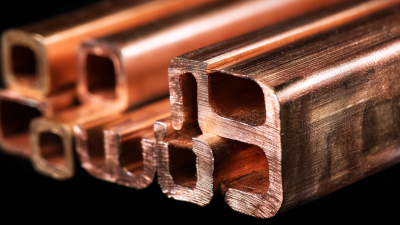
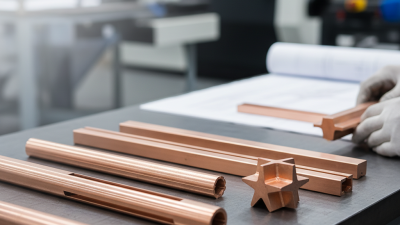
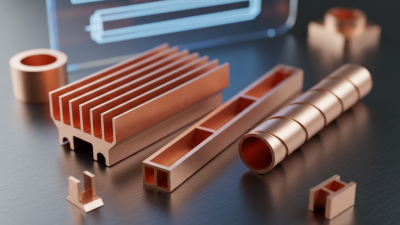
In today's competitive market, buyers are really looking for top-quality materials that are tailored to their specific needs. One example of this is Specially Designed Copper Extrusions. These custom profiles are used across a variety of industries, offering both great performance and good looks.
Companies like Mueller Industries and Conex Banninger are actually leading the way in this space, coming up with solutions that meet different requirements. That said, not every design is perfect on the first try; finding that sweet spot—something that performs well but doesn’t break the bank—is often a bit tricky.
When you're choosing an extrusion, you'll want to think about things like wall thickness, how precise the dimensions are, and any special surface finishes you might need. It’s really important to keep these factors in mind. And don't be shy about chatting with manufacturers about what you’re hoping for – being upfront can lead to better, more reliable results. Building that kind of open conversation helps establish trust and makes the whole process smoother.
Key Characteristics of Specially Designed Copper Extrusions
Specially designed copper extrusions offer unique characteristics that appeal to various industries. These extrusions provide excellent thermal and electrical conductivity. They are lightweight yet strong, making them ideal for various applications. The custom shapes ensure that these materials can fit into complex designs, optimizing space and performance.
The manufacturing of copper extrusions requires precision and expertise. Factors like alloy composition significantly influence the performance of the final product. Different applications may demand different grades of copper, and understanding these nuances is crucial. For example, some applications may require increased corrosion resistance, while others may prioritize flexibility. Finding a balance is essential, as not every design will meet all requirements.
Moreover, the environmental impact of copper extraction is a concern. Industries are urged to focus on sustainability. Employing recycled copper can reduce waste and energy consumption. In design processes, it's vital to consider both functionality and environmental responsibility. Balancing these elements can be challenging, but it promotes innovation and better practices.
Common Applications of Copper Extrusions in Various Industries
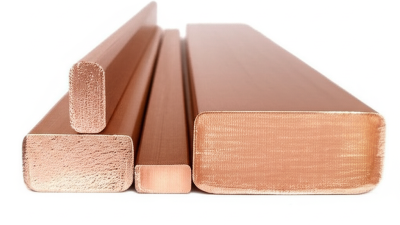
Copper extrusions play a crucial role in various industries due to their versatile applications. These specially designed products are known for their excellent conductivity and durability. For instance, the electrical industry extensively uses Copper Bar Extrusionsto manufacture components like connectors and terminals. These materials can withstand considerable stress and maintain conductivity, making them essential for reliable Electrical systems.
In the automotive sector, copper extrusions are vital for heat exchangers and radiators. Their ability to dissipate heat efficiently helps improve engine performance. The construction industry also utilizes copper in plumbing fixtures and roofing materials, where corrosion resistance is key. However, not all extrusions are of the same quality. Buyers should be cautious and seek trusted suppliers to ensure reliability.
Tips: Always verify the specifications of the copper bar extrusions you need. Check for certifications to confirm the quality. Collaboration with manufacturers can lead to better designs tailored to specific applications. Reflecting on your choices can lead to improved performance and longevity in your projects.
Top 10 Unique Copper Extrusion Designs for Enhanced Performance
Innovative copper extrusion designs are transforming various industries. Enhanced performance and efficiency are crucial for global buyers. A recent report indicated that effective design can boost thermal conductivity by up to 40%. Such improvements can lead to significant energy savings in applications like electronics and automotive sectors.
One unique approach is the use of multi-channel Copper Rod Extrusions. These designs allow for better heat dissipation. According to industry experts, the integration of complex geometries can enhance fluid flow in systems. This adaptability increases overall system performance. However, creating these intricate designs presents challenges. Manufacturers must invest in advanced technologies. Many still rely on traditional methods, which may not yield optimal results.
Additionally, incorporating hybrid materials with copper extrusions can enhance properties. It can lead to innovations in lightweight applications. For manufacturers, the question remains: how to balance cost with quality? This dilemma can stifle creativity. Custom solutions often take longer to develop. Consequently, some companies miss out on the benefits of modern design strategies.
Factors Influencing the Design of Copper Extrusions for Global Markets
Copper extrusions are crucial in various industries, and their design is influenced by several factors. Market demands drive the need for innovative designs tailored to specific applications. For instance, the aerospace sector often requires extrusions that are lightweight yet strong, fitting strict safety regulations.
Material properties play a significant role. It is important to select copper alloys that provide the required electrical and thermal conductivity. A report from the International Copper Association highlighted that high-performance alloys can enhance durability and reduce maintenance costs. Designers must balance functionality with manufacturability. Complex shapes can lead to challenges during production.
Tips: Focus on sustainable practices when selecting materials. This helps meet growing environmental standards.
The global market is diverse, with differing standards across regions. Cultural preferences may affect design aesthetics. Collaboration with local experts can provide insights into these nuances. It is beneficial to conduct thorough market research before finalizing designs. This might not always yield straightforward answers but can uncover hidden opportunities.
Tips: Engage with local suppliers early in the design process. This can streamline logistics and enhance customization.
Material Properties and Benefits of Copper in Extrusions
Copper is a favored material in the world of extrusions. Its excellent thermal and electrical conductivity make it ideal for various applications. When extruded, copper retains its strength and is resistant to corrosion. These properties ensure longevity and reliability in a wide range of environments.
Many industries benefit from copper extrusions. The construction industry uses them for piping and structural components. In electronics, they are essential for connectors and circuit boards. Despite its advantages, copper can also be costly. Buyers must consider both the initial investment and long-term value. This balance is crucial for successful applications. Copper’s weight can also be a drawback, especially in lightweight designs.
Finding the right design for copper extrusions can be challenging. Each project may have unique requirements. Some buyers overlook the importance of selecting the correct alloy. Understanding material properties is key to unlocking copper's full potential. Collaborating with knowledgeable suppliers can help ensure optimal performance. It's vital to reflect on these aspects to make informed decisions.
Top 10 Specially Designed Copper Extrusions for Global Buyers
| Product Type | Material Properties | Benefits |
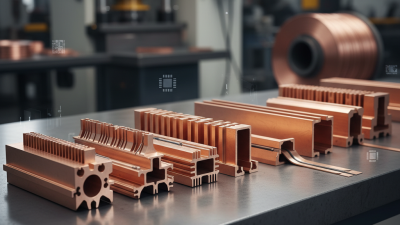
| Copper Heat Sinks | Excellent thermal conductivity, lightweight | Efficient heat dissipation, lightweight design |
| Copper Rods | High tensile strength, corrosion resistance | Durable and long-lasting products |
| Copper Tubes | Good malleability, thermal conductivity | Versatile applications in HVAC systems |
| Copper Plates | High electrical conductivity, ductility | Ideal for electrical components and grounding |
| Copper Profiles | Custom shapes, good strength | Custom solutions for specific applications |
| Copper Bars | High conductivity, easy to machine | Used in electrical connections |
| Copper Angles | Good strength-to-weight ratio | Structural applications in frames and supports |
| Copper Channels | Durable, resistant to corrosion | Used in various construction applications |
| Copper Fittings | Precision design, high reliability | Ensure secure connections in plumbing |
| Copper Wire | Excellent conductivity, flexible | Widely used in electrical wiring |
Comparative Analysis of Copper Extrusions versus Other Materials
Copper extrusions are increasingly recognized for their unique advantages over alternative materials. A report by the International Copper Association notes that copper boasts superior thermal and electrical conductivity compared to aluminum and plastic. This property is vital for industries like electronics and HVAC, where efficient heat transfer is essential. Copper Tube Extrusions, in particular, excel in these applications due to their strength and reliability.
Despite the benefits, some manufacturers still lean toward plastic or aluminum. These materials can be cheaper and lighter, but they often lack the durability required for high-performance applications. A study from Materials Science & Engineering revealed that while copper may have a higher initial cost, its longevity and recyclability offer savings in the long run. This reflects the industry trend toward sustainable practices.
Challenges exist in the production of copper tube extrusions. Manufacturers face rising raw material costs and need to optimize their processes for better efficiency. There is also concern regarding energy consumption during the extrusion process. These factors necessitate careful consideration when choosing copper over other materials. Understanding these trade-offs is crucial for global buyers looking to make informed decisions.
Future Trends in Specially Designed Copper Extrusions for Buyers
The future of specially designed copper extrusions looks promising as industries evolve. Copper Alloy Extrusions are vital for various applications, ranging from electronics to plumbing. Their thermal and electrical conductivity remains unparalleled. As manufacturers adapt to sustainability trends, eco-friendly practices are becoming a priority in production processes.
Copper producers are now focusing on innovative designs. This includes lightweight and high-strength extrusions tailored for specific needs. As technology advances, the ability to customize these products will improve. Buyers should keep an eye on emerging technologies that allow for better material performance and durability. Exploring new shapes and forms can lead to enhanced functionality in products.
Tips for buyers: Always verify the reliability of suppliers. Demand transparency regarding material sourcing and production processes. Consider future needs for your projects. Think about how new trends in copper alloy extrusions can influence your choices. Stay informed on regulations affecting copper supply chains. This knowledge can help mitigate risks associated with material availability and compliance.
Innovative Applications of Copper Alloy Die Castings in Advancing Telecommunications Technology
The telecommunications industry is undergoing a significant transformation, driven by the need for faster and more reliable communication technologies. Central to this advancement is the utilization of copper alloy die castings, which play a pivotal role in enhancing the performance and durability of essential communication devices. These castings are favored for their outstanding electric conductivity, which ensures efficient signal transmission, and their resistance to wear and tear, making them crucial components in a variety of telecommunications applications.
Copper alloy die castings find their application in a wide array of devices, including smartphones, satellite equipment, antennas, and connectors. Their high toughness translates into robust connections and decreased downtime in critical telecom infrastructure, such as base stations and user devices. The combination of excellent mechanical properties and resistance characteristics allows for enhanced functionality, ultimately driving the reliability that end-users expect from modern communication systems. As the demand for advanced telecommunications technology grows, so too does the reliance on the innovative capabilities of copper alloy castings, reinforcing their status as indispensable in this evolving field.
FAQS
: Copper extrusions are used in electrical components, heat exchangers, plumbing fixtures, and roofing materials. Their properties are crucial.
Not all extrusions are alike. Low-quality products can lead to failures. Trustworthy suppliers ensure reliability and performance.
Copper has excellent conductivity and can withstand stress. This makes it essential for connectors and terminals in electrical applications.
Market demands and material properties significantly impact design. Each sector, like aerospace, has unique requirements that must be met.
Sustainable practices in material selection help meet environmental standards. It's important to consider this during the design process.
Copper can be heavy and costly. Selecting the correct alloy and design can also be difficult, requiring careful consideration.
Working with knowledgeable suppliers aids in design customization. It can lead to better performance and address specific needs.
Research can uncover unique cultural preferences and standards that affect design. This can enhance product success in different markets.
Consider specifications, certifications, and supplier reliability. Reflecting on these factors ensures better long-term value and performance.
In lightweight designs, copper can be too heavy. It's important to balance weight with performance requirements for efficiency.
Conclusion
This article explores the significance of specially designed copper extrusions, highlighting their unique characteristics and various applications across multiple industries. These extrusions are tailored to enhance performance, showcasing their versatility in sectors such as electronics, automotive, and construction. The top ten unique designs are discussed, illustrating how they optimize conductivity and durability, essential for meeting the demands of global markets.
Additionally, the article delves into the material properties that make copper an ideal choice for extrusion processes, comparing its advantages over other materials. Factors influencing design choices are examined, along with future trends that may shape the development of specially designed copper extrusions. By understanding these elements, global buyers can make informed decisions that align with industry advancements and their specific needs.