Contact us
Leave Your Message
0%

sourcing Precision Cnc Milling Components is honestly one of those tasks that can really make or break a manufacturing business. It’s not just about picking something off the shelf; you gotta really know your specs and quality standards inside out. Having trusted suppliers is a game-changer here—you don’t want to cut corners. When choosing components, pay attention to the materials used and the tolerances they can meet. These details matter big time.

High-quality parts not only last longer but also boost the overall performance of your product. It's a good idea to look into potential suppliers’ track records—customer reviews, past projects, that sort of thing. Sometimes, opting for cheaper options might seem attractive upfront, but that can backfire with quality issues, which often lead to higher costs and delays down the line.

Also, it's worth keeping an eye on market trends for Precision CNC milling Components. Focus on working with companies that place a strong emphasis on quality and have proper certified processes in place. Building a long-term relationship with a reliable supplier can really pay off. And don’t forget to learn from past experiences—being aware of common pitfalls can save you a lot of headaches later on.
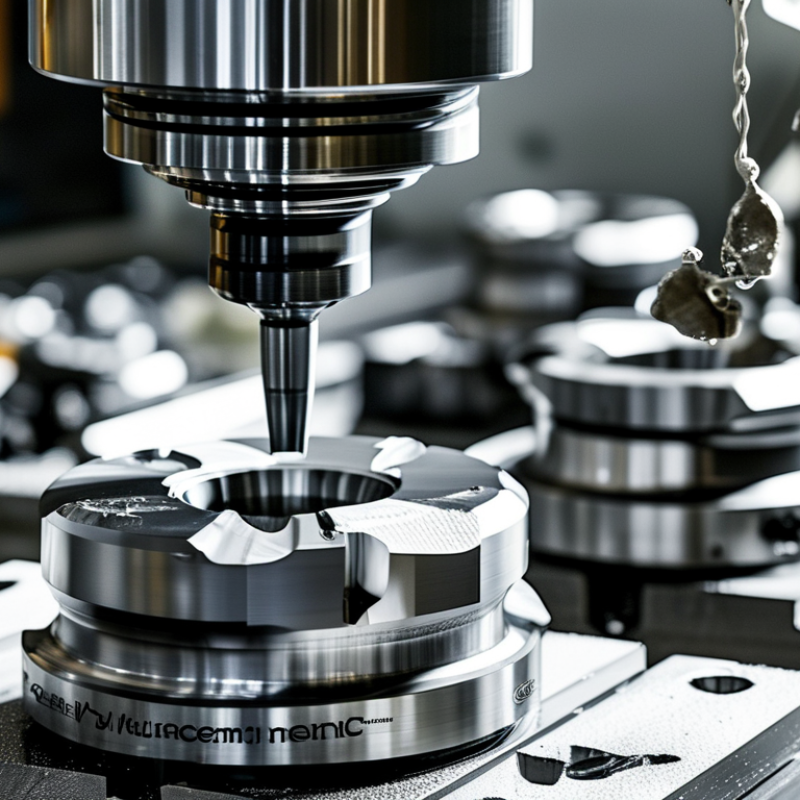
How to Source Precision CNC Milling Components for Your Business?

Understanding CNC Milling and Its Applications in Industry

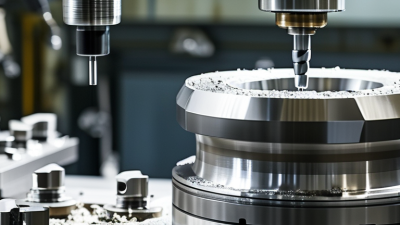
CNC milling is essential in modern manufacturing. This process uses computer-controlled tools to create precise components. Industries such as aerospace, automotive, and Medical rely heavily on CNC milling. The ability to produce complex shapes and high tolerances makes it indispensable.

Understanding CNC milling involves recognizing its applications. For instance, it manufactures engine parts and surgical instruments. Each component often requires customization, which poses challenges. Variations in materials, tooling, and machine settings can lead to discrepancies. This necessitates careful planning and skilled operators to avoid errors.

Proficiency in CNC milling demands experience. Operators must understand both the software and the machinery. Regular training is crucial to ensure high-quality production. Engaging with industry experts can enhance knowledge and highlight best practices. Emphasizing continuous learning helps address existing gaps in understanding and execution.

Identifying Quality Standards for Precision CNC Components

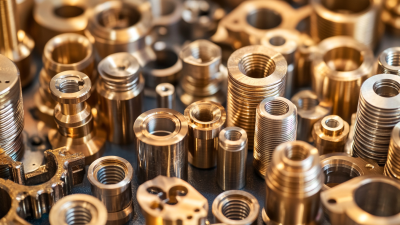
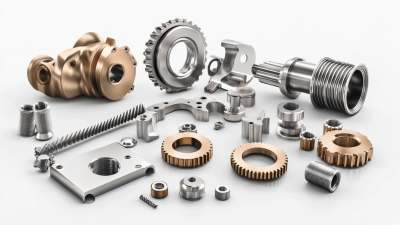
When sourcing precision CNC milling components, quality standards are crucial. The precision manufacturing industry is expected to grow significantly, with reports indicating a CAGR of around 5.5% from 2021 to 2028. Understanding these quality standards can help you make informed decisions.

*Tip: Research industry-specific certifications.* Look for manufacturers who hold ISO 9001 or AS9100 certifications. These standards lead to improved quality management and can significantly reduce operational risks.

Material selection is also vital. Using high-tolerance materials can ensure durability and reliability. Studies show that components made from alloys exhibit better performance in demanding applications. Nevertheless, be cautious; many suppliers may claim high quality without sufficient backing.

*Tip: Request detailed inspection reports.* A reliable supplier should provide thorough documentation that proves their quality measures. This transparency demonstrates a commitment to quality, which can enhance your trust in their Cnc Milling Services. Chapters in engineering handbooks note that consistent quality checks can reduce errors and ensure precise component production.

Adhering to established quality standards will mitigate risks associated with poor manufacturing practices. Prioritizing quality ensures your CNC components meet operational needs effectively, despite the occasional discrepancies that suppliers might offer.

Researching Suppliers: Key Factors to Consider

Researching potential suppliers for precision CNC milling components requires a thorough approach. It’s crucial to evaluate their manufacturing capabilities, quality control measures, and industry experience. According to a recent report from the International Organization for Standardization, around 60% of businesses reported quality issues with their machined components. This highlights the need for rigorous vetting of suppliers.

Another vital factor is the supplier's technological capabilities. Companies using advanced CNC machines can achieve tighter tolerances and higher repeatability. A 2023 survey by the Manufacturing Technology Association found that over 70% of manufacturers believe that cutting-edge technology directly impacts product quality. Assessing a supplier's equipment and technology can reveal their ability to meet specific requirements.

Communication is key in establishing a successful partnership. Suppliers must understand your needs and be responsive to inquiries. Approximately 50% of businesses noted difficulties in communication as a common reason for dissatisfaction with suppliers. Consider conducting visits to potential suppliers or relying on detailed references from their previous clients to build trust. These efforts can help mitigate risks associated with sourcing critical components.

Evaluating Supplier Capabilities and Technologies

When sourcing precision CNC milling components, evaluating supplier capabilities is crucial. Take time to assess their technical expertise. Check their experience in the industry, as this can greatly impact the quality of the components. Suppliers with a solid background often have better problem-solving abilities.

Pay attention to the technologies they use. Advanced CNC milling equipment can produce complex designs with superior accuracy. Inquire about their machine types and software. A supplier employing the latest technology may deliver components faster and with better precision. Look for certifications that confirm their commitment to quality standards.

Communication is often overlooked. Ensure the supplier is responsive and open to discussions. Poor communication can lead to misunderstandings and delays. Building a strong relationship can lead to better collaboration in future projects. Reflect on your past experiences. Has your choice of supplier met your expectations? Analyzing previous partnerships can help refine your selection process.

Manufacturer Evaluation Criteria for CNC Milling Components

Assessing Cost Factors and Pricing Strategies

When sourcing precision CNC milling components, understanding cost factors is key. The overall cost includes materials, labor, and machining time. Each aspect influences your final price. Components made from high-quality materials may increase upfront costs but often lead to better performance and fewer defects.

Tips: Always request quotes from multiple suppliers. This helps you gauge the average pricing in the market. It allows for better negotiation and can save you money.

Consider the machining complexity as well. More intricate designs take longer to produce, raising costs. Reflect on your design. Is it as efficient as possible? Simplifying designs can lower machining time and expenses significantly.

Tips: Review your components regularly. This practice helps identify areas where you can cut costs without compromising quality. Establishing long-term relationships with vendors can also provide better rates over time.

Establishing a Communication and Collaboration Framework

Establishing a solid communication and collaboration framework is crucial for sourcing precision Cnc Machined Milling Parts. Miscommunication can lead to costly errors and delays. Data from a recent industry report indicates that over 40% of manufacturing projects face delays due to poor collaboration. Setting clear expectations helps all parties involved stay aligned on project scope and deadlines.

One key tip is to implement regular check-ins. Regular meetings ensure that both your team and suppliers are on the same page. Use project management tools to facilitate transparency. Sharing updates in real time can identify potential issues before they escalate.

Another important aspect is to encourage feedback from all stakeholders. Listening to concerns or suggestions can lead to improved processes. Research shows that companies fostering open communication see a 30% increase in productivity. By actively seeking input, you create a collaborative environment that enhances the quality of CNC machined milling parts. Engaging in this way reduces misunderstandings and builds stronger relationships with suppliers.

Ensuring Quality Control and Inspection Processes

Quality control is critical in sourcing precision CNC milling components. In a recent survey by IndustryWeek, 80% of manufacturers reported quality issues directly impacted their productivity. Effective inspection processes can mitigate these risks. Utilizing advanced inspection technologies, such as laser scanning and X-ray imaging, ensures precision in every part. Routine inspections can help identify defects early, saving time and costs.

In industries like aerospace and automotive, adherence to standards like ISO 9001 is vital. This framework emphasizes continual improvement and customer satisfaction. A report from the American Society for Quality notes that companies implementing such standards see a 20-30% reduction in defects. For CNC milling marine parts, where safety and durability are paramount, rigorous quality assurance and control can make a significant difference.

However, challenges remain. Inspectors might miss subtle defects, leading to costly recalls. Training and experience are crucial in refining inspection techniques. Regular audits and feedback loops within quality teams can enhance accuracy and reliability. Emphasizing the importance of a detailed inspection process is essential for ensuring top-notch CNC milling components for your business.

FAQS

: What should I evaluate when researching suppliers for CNC milling components?

: Evaluate their manufacturing capabilities, quality control measures, and industry experience.

How critical is technological capability in suppliers?

Technological capability is vital. Advanced CNC machines can achieve tighter tolerances and better product quality.

What common issues do businesses face with suppliers?

Communication difficulties are significant. About 50% of businesses report this as a reason for dissatisfaction.

What can I do to improve communication with suppliers?

Conduct visits or seek detailed references to build trust. This helps establish better communication.

How can I prevent delays in manufacturing projects?

Set clear expectations and conduct regular check-ins. Poor collaboration can cause over 40% of project delays.

What role does feedback play in supplier relationships?

Encouraging feedback improves processes and fosters a collaborative environment, enhancing quality and productivity.

How can project management tools help in supplier collaboration?

These tools facilitate transparency and ensure both teams stay aligned on project updates and deadlines.

What happens if I don’t listen to stakeholders’ feedback?

Ignoring feedback can lead to misunderstandings and weaker relationships with suppliers.

What are the risks of not vetting suppliers rigorously?

Quality issues may arise, as shown by 60% of businesses reporting problems with machined components.

Is communication really that important for quality outcomes?

Yes, effective communication can increase productivity significantly, improving quality in outcomes.

Conclusion

In the pursuit of sourcing Precision CNC Milling Components, it is crucial to have a comprehensive understanding of CNC milling and its various applications across industries. Identifying quality standards that meet specific requirements is a foundational step, as it ensures that the components produced are reliable and effective.

Researching suppliers involves evaluating key factors such as their capabilities, technologies, and pricing strategies. Establishing a robust communication and collaboration framework is essential for aligning expectations and requirements. Additionally, implementing stringent quality control and inspection processes will guarantee that the final components adhere to the established quality standards, ultimately supporting the success of your business in utilizing Precision CNC Milling Components effectively.
Liam

Liam

Liam is a dedicated marketing professional at Shaanxi Brilliant Machinery Co., Ltd., where he plays a pivotal role in promoting the company's vision of becoming a global benchmark for manufacturing excellence. With a deep understanding of the mechanical parts industry, Liam is committed to......
Previous Top 10 Specially Designed Copper Extrusions for Global Buyers?