In today's competitive world of metal fabrication, you really can't underestimate how important Tailored Copper Extrusionsare. Industry pro John Reynolds from Copper Solutions puts it nicely, saying, “Getting the precision right in copper extrusions can make a big difference in both product quality and how well it performs.” This really highlights the rising demand for customized solutions across different industries.
Figuring out the right tailored extrusions for your needs is all about understanding what matters most to you—things like size, shape, and how well it conducts heat. Honestly, it can be tricky for businesses to pick the right product without a little guidance. That’s why chatting with experts and checking out previous case studies can be so helpful—they can really inspire and steer you in the right direction.
One thing a lot of companies overlook, though, is how crucial quality control and testing are during production. Skimping on these steps can lead to products that don’t meet expectations. As the demand for "Tailored Copper Extrusions" continues to grow, taking a moment to reconsider your choices can lead to better results—whether that’s higher quality or saving some cash along the way.
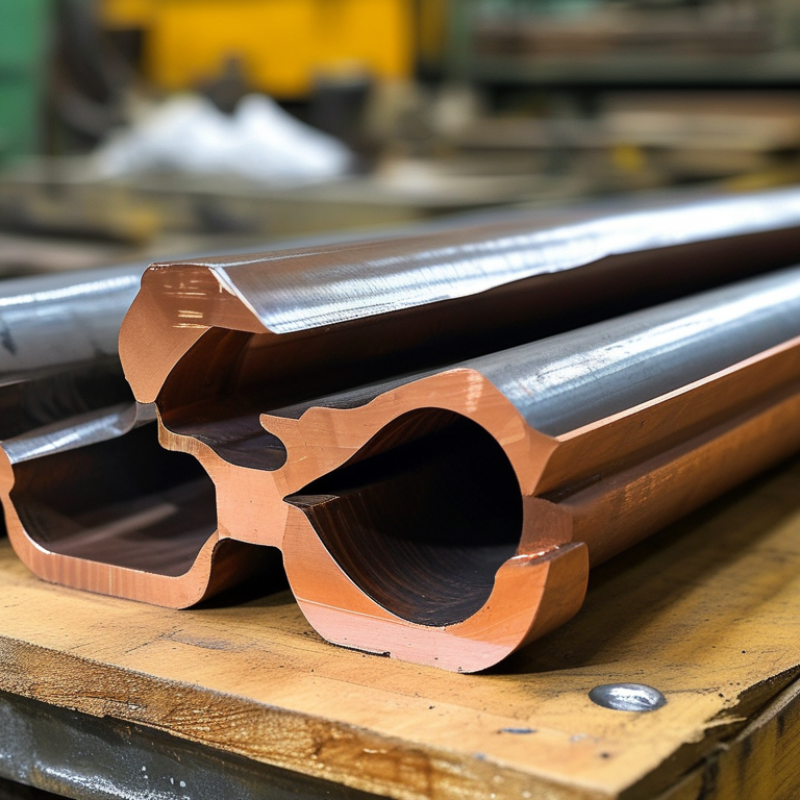
Understanding the Basics of Copper Extrusions in Industry
Copper extrusions play a vital role in various industries, including construction and electronics. The extrusion process allows for the creation of specific shapes and sizes suited to different applications. In 2022, the global copper extrusion market was valued at approximately $16 billion, with expectations of consistent growth over the next few years.
Understanding the extrusion process is essential. This involves heating copper and forcing it through a die to achieve the desired form. The mechanical properties of copper, such as its excellent conductivity and corrosion resistance, make it a favored material. Industry data reveal that around 30% of copper produced globally is used for extrusions. This sizable percentage emphasizes the importance of quality and precision in production.
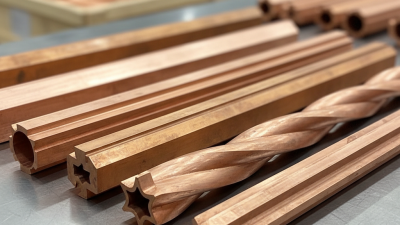
Choosing tailored copper extrusions requires an awareness of specifications. Important factors include the tolerance levels and surface finish required for specific applications. While customized solutions are beneficial, they also pose challenges. Miscalculations or poor quality control can lead to costly errors. Industry reports highlight that up to 25% of extrusion projects experience some form of rework due to these issues. Understanding these variables is critical for businesses seeking reliable and effective copper solutions.
Identifying Your Business's Specific Needs for Copper Extrusions
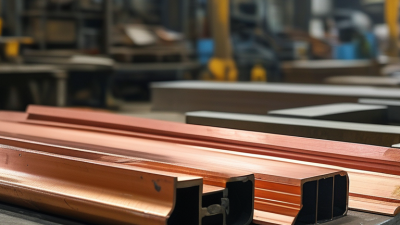
Identifying your business's specific needs for copper extrusions requires a detailed analysis. Start by assessing the applications of the copper products. Different applications necessitate various shapes and sizes of Copper Bar Extrusions. For instance, Electrical applications often demand high conductivity. According to industry studies, approximately 60% of copper used in electrical components meets this criterion. This data helps to drill down into effective sourcing strategies.
Consider the environmental factors. The environment will influence the type of copper extrusion needed. Factors like temperature, humidity, and exposure to chemicals impact material selection. A recent report indicated that outdoor applications can reduce the lifespan of copper products by 30% if not correctly specified. Therefore, it’s vital to factor in these elements early in the selection process.
Production capacity is another essential factor. Understanding the volume of Copper Bar Extrusions required and the timelines can guide decisions. If your demand fluctuates, it may raise questions about sourcing and inventory management. Moreover, analyzing current market trends, which indicate a 15% increase in demand for tailored copper solutions, can provide insights. This research can help you maneuver through possible supply chain disruptions, fostering a more resilient business strategy.
Exploring Different Types of Copper Alloys for Tailored Solutions
When selecting tailored copper extrusions, understanding different alloys is crucial. Copper alloys like C11000 are known for their conductivity, while C36000 offers improved machinability. According to industry reports, over 60% of copper extrusions use these alloys. This highlights their significance in various applications, including electrical and plumbing systems.
Additionally, C22000 exhibits excellent corrosion resistance. This is vital in marine applications where exposure to harsh environments occurs. The choice of the right alloy significantly influences performance and longevity. However, the variation in mechanical properties among alloy types can be perplexing. It demands careful consideration based on your specific needs.
There's no one-size-fits-all solution. It’s essential to evaluate factors like stress, strain, and temperatures your products will face. Reports indicate that inadequate material selection can lead to a 30% increase in failure rates over time. Thus, investing time in alloy research can pay off in the long run. Such decisions require a balance of knowledge and field experience to ensure optimal performance.
Analyzing the Extrusion Process and Its Impact on Product Quality
The extrusion process plays a crucial role in determining the quality of tailored copper extrusions. This method involves forcing heated copper through a die, shaping it into specific profiles. According to recent industry data, proper temperature control during extrusion can improve the mechanical properties of the final product by up to 30%. Inadequate temperature settings, however, can lead to defects like cracking or warping, impacting the entire production.
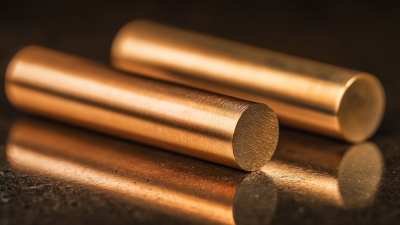
Moreover, the choice of die design significantly influences product performance. Research suggests that using a well-engineered die can reduce material waste by 15-20%. On the other hand, oversights in die maintenance can compromise precision, resulting in inconsistent profiles. With the global demand for Copper Rod Extrusions increasing by 5% annually, understanding the nuances of the extrusion process becomes imperative for manufacturers.
Investment in quality control measures is necessary. Every stage— from material selection to cooling techniques—can affect end quality. For instance, cooling too quickly can induce stress within the extruded copper, causing unforeseen failures. A detailed analysis of these processes can help businesses make informed decisions, enhancing both reliability and performance in their copper extrusions.
Evaluating Suppliers: Key Factors to Consider for Custom Solutions
When selecting suppliers for tailored copper extrusions, several essential factors come into play. Start by assessing the supplier's experience in the industry. Companies with a strong track record can offer valuable insights. Look for years of service or notable projects they’ve completed. However, don’t just take their word for it. Seek testimonials or case studies to form a comprehensive picture of their capabilities.
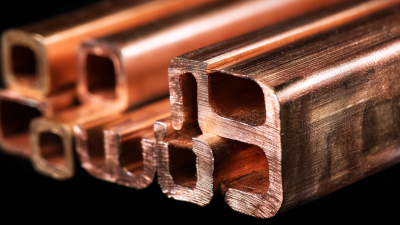
Expertise in specific applications is also vital. Understand the technical requirements of your projects. Does the supplier have the right equipment and knowledge to meet these needs? Pay attention to their customization options for Copper Tube Extrusions. Sometimes suppliers promise flexibility but fall short in execution. You may want to ask for prototypes to gauge their accuracy and quality before committing.
Communication can be a significant indicator of reliability. A responsive supplier is essential for smooth operations. Regular updates and open lines of dialogue are non-negotiable. If a supplier seems evasive or slow to respond, it may be a red flag. Trust your instincts on these interactions. Finding the right supplier is crucial; take the time to evaluate each candidate thoroughly.
How to Choose Tailored Copper Extrusions for Your Business? - Evaluating Suppliers: Key Factors to Consider for Custom Solutions
| Supplier Criteria | Evaluation Metrics | Importance Level | Remarks |
| Experience in Industry | Years in business | High | Look for suppliers with 10+ years |
| Customization Capabilities | Range of options available | High | Should offer various shapes and sizes |
| Quality Assurance | Certifications & testing methods | Critical | ISO certification is a plus |
| Production Capacity | Monthly output volume | Medium | Must meet demand forecasts |
| Lead Time | Average manufacturing time | High | Shorter lead times preferred |
| Pricing Structure | Cost per unit | Medium | Competitive pricing analysis needed |
| Customer Support | Responsiveness and support | High | Availability during working hours |
Cost Considerations: Budgeting for Tailored Copper Extrusions
When budgeting for tailored copper extrusions, it's essential to consider several financial factors. According to the Global Copper Industry Report, demand for copper is projected to rise by 3.5% annually through 2025. This trend will impact costs for custom designs, affecting your bottom line.
Your budget should account for material costs, labor, and potential wastage. The price of Copper Alloy Extrusions has been fluctuating due to global supply chain issues. It’s important to establish relationships with reliable suppliers for better pricing and availability. Relying solely on market prices can lead to overspending.
Consider reevaluating your designs regularly for inefficiencies. Sometimes, modifying a design can greatly reduce material usage. Assess whether your current specifications are optimal. Unforeseen expenses can disrupt budgets, so having a contingency plan is wise. Analyze historical data on previous projects to refine your budgeting process for future copper alloy extrusions.
Selecting the Right Finish and Design for Specific Applications
Choosing the right finish and design for tailored copper extrusions is crucial for various applications. The surface finish can significantly influence the performance and aesthetics. For instance, a polished finish enhances electric conductivity and corrosion resistance, making it ideal for electronic components. Conversely, a matte finish may suit architectural uses better, providing a unique visual appeal while minimizing fingerprints and smudges.
According to the Copper Development Association, the demand for copper extrusions is expected to grow by 5% annually. This growth indicates the necessity for specialized designs catered to specific industry needs. For example, in HVAC systems, extrusions require excellent thermal conductivity. Therefore, designers must consider the functional requirements alongside the aesthetic aspects to ensure optimal performance. Various finishes like anodizing, plating, or lacquering can cater to these needs, but the choice should be based on a thorough understanding of both the application and environmental factors.
However, not all finishes are suitable for every application. Some finishes may wear out quickly, impacting longevity. It is essential to balance the appearance and durability. A finish that looks great may not always perform well over time. Evaluating the specific application’s demands and the potential trade-offs of different finishes is key. This approach will lead to more informed decisions, ensuring the selected copper extrusions serve their intended purpose effectively while meeting industrial standards.
Exploring the Role of Copper Alloy Die Castings in Enhancing Efficiency and Durability in the Oil and Gas Industry: Insights from Recent Market Reports
Copper alloy die castings play a pivotal role in enhancing efficiency and durability within the oil and gas industry, particularly in the demanding environments of drilling, extraction, and refinement. Recent studies indicate that these castings are not only durable but also exhibit remarkable resistance to corrosion and wear, making them critical for equipment that operates under high heat and pressure. According to market reports, the implementation of copper alloy components in petroleum machinery leads to a measurable increase in operational longevity, with some reports suggesting improved service life by up to 30% compared to traditional materials.
In the oil and gas sector, where machinery and equipment frequently face extreme conditions, the unique properties of copper alloys allow for superior performance. For instance, their ability to withstand corrosive elements found in natural gas and oil further underscores their importance in maintaining smooth operations. The efficiency gains realized through the use of these advanced materials contribute significantly to overall productivity, with specific analytics indicating that incorporating copper alloy castings can reduce maintenance costs by up to 25%.
As technology continues to evolve, the reliance on high-performance materials like copper alloys is expected to grow, driven by the industry's continuous push towards maximizing efficiency while minimizing downtime. In light of these advancements, stakeholders in the oil and gas industry are increasingly looking towards copper alloy die castings to enhance the durability and reliability of their operations, thereby affirming their critical role in this vital sector.
FAQS
: The extrusion process shapes heated copper by forcing it through a die. It creates specific profiles for tailored products.
Proper temperature control can enhance mechanical properties by up to 30%. Inadequate settings can cause defects.
A well-engineered die reduces waste by 15-20%. Poor die maintenance can lead to inconsistent profiles and defects.
Evaluate experience, expertise, and customer feedback. Look for proven success in specific applications.
Request testimonials or case studies. Prototypes can also help you gauge their accuracy and quality.
A responsive supplier ensures smooth operations. Open dialogue is essential for addressing issues and keeping projects on track.
Account for material costs, labor, and potential waste. Analyze trends that can affect pricing and availability.
Reevaluating designs can reduce material usage. Sometimes, small changes can lead to significant savings.
Unforeseen expenses can disrupt your budget. A plan helps you manage unexpected costs effectively.
Review historical data on previous projects. This can help refine your budgeting process for future designs.
Conclusion
When selecting tailored copper extrusions for your business, it is essential to first understand the basics of copper extrusions and how they are utilized across various industries. Identifying your specific needs can help determine the appropriate copper alloys and extrusion processes that will yield high-quality products. Moreover, evaluating suppliers is critical for ensuring that you receive custom solutions that align with your budget considerations.
Additionally, selecting the right finish and design tailored to your specific applications can enhance the functionality and aesthetic appeal of your products. Careful analysis of these factors will lead to informed decisions, ensuring that the tailored copper extrusions meet both quality standards and business requirements effectively.