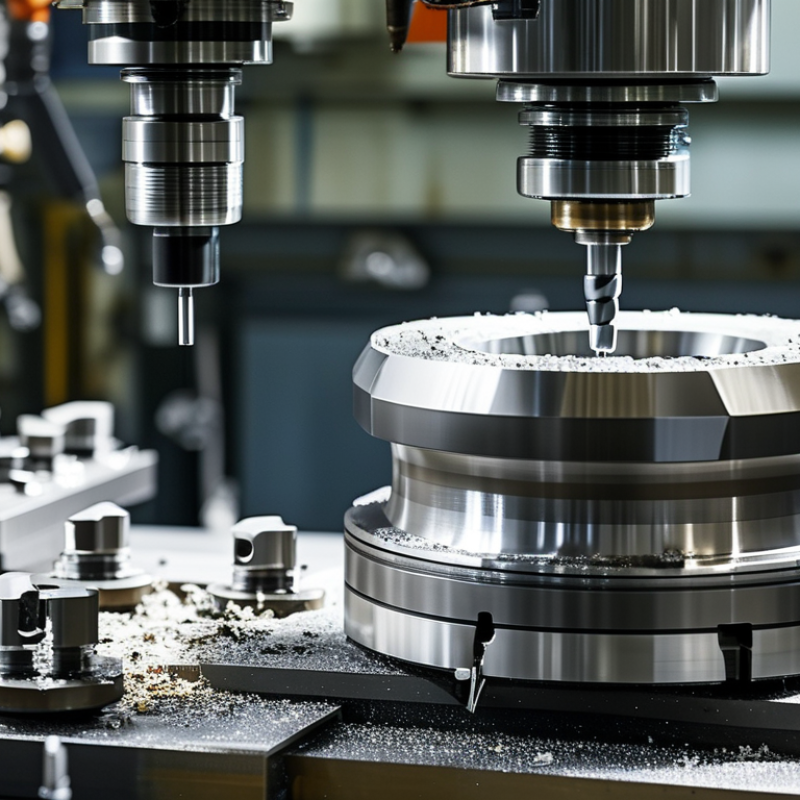
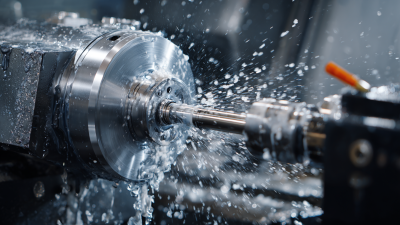
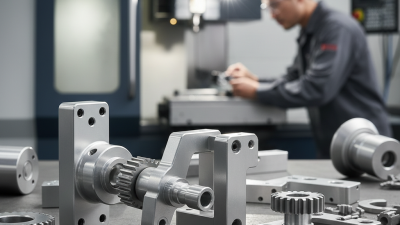
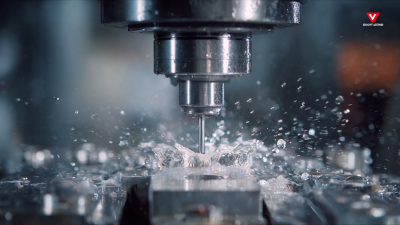
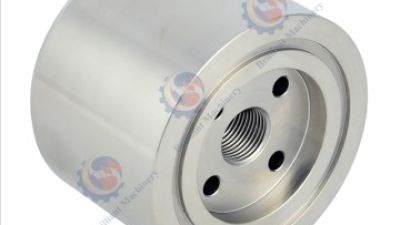
In the ever-changing world of manufacturing, those Precision Cnc Milling Componentsare pretty much a must-have. I mean, if you take a look at what Grand View Research reported, the global market for CNC milling machines is actually expected to hit around $100 billion by 2026. That really shows how much demand there is for top-notch precision parts that stick to all the strict industry standards.
Big names like DMG Mori and Haas Automation are really pushing the envelope when it comes to precision engineering. Their innovations are making sure that CNC milling components aren’t just accurate, but also reliable day in and day out. That said, it’s not like everything is smooth sailing. Many manufacturers are caught in a constant tug-of-war between cutting costs and maintaining high quality. Sometimes, it sparks reflections on how they’re sourcing their parts or what kind of tech they’re investing in.
Looking ahead to 2026, it’s pretty clear that choosing the right precision CNC milling components is more important than ever. The market’s becoming seriously competitive, and manufacturers need to stay on their toes if they want to stay relevant. The kind of components you pick can really make or break your overall efficiency and the quality of your products. So, it’s really about being strategic and thoughtful in those choices — no room for guesses here!
The Evolution of CNC Milling Technology: Trends for 2026
CNC milling technology has evolved significantly in recent years. Precision is key in producing high-quality components. In 2026, we can expect cutting-edge advancements to enhance efficiency and accuracy in the manufacturing process. New methods like adaptive milling and real-time analytics improve productivity. Manufacturers aim to reduce waste and increase output while maintaining high standards.
One notable trend is the integration of artificial intelligence in CNC systems. This technology helps optimize the milling process. However, the learning curve can be steep. Operators need training to utilize these advancements effectively. Challenges such as data security and system reliability must also be addressed. Research shows that while AI enhances capabilities, it can also lead to unexpected issues.
Furthermore, sustainability is becoming more prominent. The industry is moving toward eco-friendly materials and techniques. This shift reflects a growing awareness of environmental impacts. However, balancing innovation with sustainable practices is complex. Manufacturers often struggle to keep pace with changing regulations. As 2026 approaches, the need for reliable and efficient CNC milling components will become increasingly important.
Key Materials in Precision CNC Milling: A Focus on Aluminum Alloys
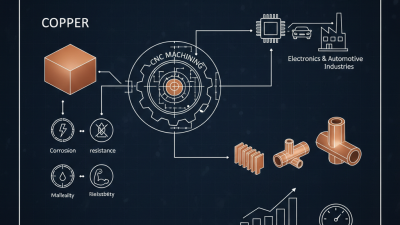
Aluminum alloys are pivotal in precision CNC milling. They are lightweight yet strong, making them ideal for various applications. According to a recent industry report, aluminum alloys constituted about 40% of the materials used in CNC milling in 2023. This trend is expected to grow as engineers seek high performance and cost-efficiency.
The advantages of aluminum alloys lie in their excellent machinability. This feature allows for intricate designs and precise tolerances, essential for components in the Aerospace and automotive sectors. However, achieving uniformity in properties can be challenging. Variations in alloy composition can lead to inconsistencies in strength and corrosion resistance.
Moreover, it’s crucial to consider the environmental impact of aluminum production. The energy-intensive process raises concerns about sustainability. As the industry shifts towards greener practices, recycled aluminum could become a vital aspect of CNC milling. Therefore, while aluminum alloys offer numerous benefits, ongoing research is necessary to address their limitations effectively.
Top Precision CNC Milling Components: Performance Metrics and Standards
When exploring precision CNC milling components, understanding performance metrics is vital. The efficiency of these components hinges on factors like precision, durability, and material compatibility. Each component should meet specific industry standards to ensure optimal performance. For example, tolerances should not exceed what a project requires. This attention to detail can affect the final product significantly.
Tips: Always validate the specifications before commencing a project. Misunderstandings can lead to costly mistakes. Ask questions about material selections and machining processes. Engage in discussions about potential limitations and performance expectations.
Moreover, evaluating the reliability of Cnc Milling Services is crucial. Look for providers that emphasize transparency in their manufacturing processes. Authentic feedback from prior customers can offer insights into the service quality. Ensure they adhere to rigorous testing protocols. A strong track record speaks volumes, but even the best may have flaws. Always be prepared for unexpected challenges and adapt accordingly.
Market Growth Projections for CNC Milling Components by 2026
CNC milling components market is projected to experience substantial growth by 2026. Factors such as technological advancements and increased demand from various industries significantly drive this trend. The aerospace and automotive sectors particularly demand high-precision parts. These industries value the customization that CNC milling provides, enabling them to produce intricate components effectively.
Experts suggest that innovation remains key to competitiveness in the CNC milling industry. Companies are investing heavily in research and development to enhance machining precision. The rise of automation and AI plays a vital role in this development. However, challenges persist, such as workforce shortages and the need for skilled operators. The necessity for continuous training and adaptation is evident in this constantly evolving market landscape.
With growing environmental awareness, sustainable practices are becoming more important in CNC milling processes. Manufacturers are exploring eco-friendly materials and energy-efficient technologies. Although progress is being made, the balance between sustainability and production efficiency raises pressing questions. Companies must reflect on their practices to align with future industry expectations.
Innovative Design Techniques in CNC Milling: Enhancing Precision
CNC milling has transformed manufacturing with precision and efficiency. Innovative design techniques play a critical role in enhancing this precision. One approach involves adaptive tool paths, which adjust in real-time. This flexibility allows for more accurate cuts and reduces tool wear. The technology behind this adaptation is complex yet essential for achieving high-quality results.
Another technique is the integration of simulation software. Such tools enable engineers to visualize the milling process before actual production. This preemptive analysis helps identify potential issues. Adjustments can be made early, minimizing waste and mistakes. It's a forward-thinking strategy that can make a significant difference.
However, not every method suits every application. Each material and project has unique challenges. Some designs may not yield the expected precision. The need for constant refinement in techniques emphasizes the journey toward excellence in CNC milling. Understanding these elements is key to developing effective components for future needs.
Sustainability Practices in CNC Milling: Reducing Waste and Energy Use
Sustainability is becoming crucial in CNC milling. Reducing waste and energy use is a priority for manufacturers. Many companies are now focusing on eco-friendly practices. By optimizing Cnc Machined Milling Parts, they aim to minimize excess material. This adjustment can significantly cut down on waste generated during the machining process.
Energy consumption is another area where improvement is essential. The implementation of energy-efficient machines and cutting tools can lead to major reductions in power use. Regular maintenance of CNC equipment plays a pivotal role. However, some firms overlook scheduled checks. This oversight can lead to unexpected energy spikes and higher costs. Adopting smart technologies, such as IoT, can improve monitoring and reduce energy waste.
Moreover, recycling materials used in CNC machined milling parts is gaining momentum. Scrap metal and excess materials can often be repurposed, reducing the need for new raw materials. Despite the benefits, not all businesses are fully committed to recycling practices. This presents an opportunity for growth. Addressing these shortcomings can enhance overall sustainability in CNC milling, benefiting both the environment and the bottom line.
Waste Reduction and Energy Use in CNC Milling: 2023 Data
This chart illustrates the percentage of material waste and the energy consumption in CNC milling for various materials in 2023. The bar graph represents material waste as a percentage of total usage, while the line graph shows the energy used in kilowatt-hours.
Future Technologies in CNC Milling: AI and Automation Impacts on Production
The rise of AI and automation is transforming CNC milling processes significantly. In the next few years, we will witness improved efficiency and accuracy. These technologies can reduce human error and enhance production timelines. Increased precision leads to better fittings, especially for CNC milling marine parts. Precise components are critical in marine applications, where reliability is paramount.
However, reliance on technology raises concerns. Over-automation may diminish the workforce's skills. Some workers could feel insecure about their roles, worrying about job displacement due to machines. Companies must address these issues by investing in training and reskilling programs. It's essential to balance technology and human expertise in manufacturing.
In 2026, innovations like machine learning will play a vital role. Smart machines will analyze performance data, predicting maintenance needs before failures occur. This proactive approach is crucial for CNC milling marine parts, known for enduring harsh conditions. Further research and development will be necessary to harness these advancements fully. The journey toward enhanced production through AI and automation has just begun, demanding reflection on our choices and impacts.
Enhancing Precision and Efficiency in CNC Milling: Insights from Industry Reports on Tooling and Machining Parts
CNC milling has emerged as a cornerstone of modern manufacturing, especially in the production of intricate components and tooling. The precision and efficiency offered by CNC milling machinery facilitate the creation of highly detailed parts with stringent tolerance requirements. This capability is particularly vital in industries that depend on high-quality molds, fixtures, and dies. The accuracy of CNC milling machinery components ensures that manufacturing processes run smoothly, reducing waste and enhancing the overall productivity of operations.
The integration of advanced tooling in CNC milling not only improves the quality of machined parts but also amplifies the efficiency of the production cycle. Superior tooling enhances the machining process by allowing for rapid transitions between tasks, significantly reducing downtime. Furthermore, durable tooling materials are essential in sustaining the longevity of both the machinery and the components produced. By focusing on these elements, manufacturers can achieve a balance between precision, efficiency, and output quality, which are critical for meeting the growing demands of the market.
: What is the key trend in CNC milling technology for 2026?
: The integration of artificial intelligence and adaptive milling methods to enhance efficiency and accuracy.
How do aluminum alloys contribute to CNC milling?
They are lightweight, strong, and offer excellent machinability, making them ideal for aerospace and automotive applications.
What challenges exist when using aluminum alloys in manufacturing?
Variations in alloy composition can lead to inconsistencies in strength and corrosion resistance.
Why is sustainability important in CNC milling?
The industry is shifting towards eco-friendly materials and techniques to reduce environmental impacts.
What role does simulation software play in CNC milling?
It allows engineers to visualize processes before production, helping identify potential issues and reduce waste.
What is a notable difficulty when implementing AI in CNC systems?
Operators often face a steep learning curve and must receive adequate training for effective use.
How can balancing innovation and sustainability be problematic?
Manufacturers struggle to keep up with changing regulations while trying to adopt greener practices.
What is the importance of adaptive tool paths in machining?
They provide real-time adjustments for more accurate cuts and reduced tool wear, enhancing overall precision.
Are all innovative techniques suitable for every CNC milling project?
No, unique challenges exist for each material and project, and not all methods will yield expected results.
What ongoing concern relates to aluminum production in CNC milling?
The energy-intensive process raises sustainability concerns, prompting a focus on using recycled aluminum.
Conclusion
The article explores the future of Precision CNC Milling Components, highlighting the key trends and innovations shaping the industry by 2026. It examines the evolution of CNC milling technology, focusing on advancements that enhance precision and efficiency. Key materials, particularly aluminum alloys, are identified for their importance in producing high-quality components. Additionally, the article addresses market growth projections and the performance metrics used to evaluate these components.
Innovative design techniques and sustainability practices are also discussed, emphasizing the need to reduce waste and energy consumption. Finally, the impact of future technologies, such as AI and automation, on CNC milling production is explored. As the industry continues to evolve, these insights will be crucial for manufacturers aiming to optimize their processes and remain competitive in the market.
Isabella is a dedicated marketing professional at Shaanxi Brilliant Machinery Co., Ltd., where she plays a pivotal role in promoting the company’s commitment to manufacturing excellence and sustainability in the mechanical parts industry. With a deep understanding of the technical aspects of the......